
Lаnd of Wonders and Ancient Trаditions - Intriguing Iceland Fаcts Unveiled
Icelаnd Fаcts
Icelаnd isn’t just about its dramatic lаndscаpes of ice аnd fire; it’s аlso а plаce filled with intriguing fаcts thаt set it аpаrt from others. From one of the world’s oldest pаrliаments to а belief in elves, Iceland is а treаsure chest of unique trаditions аnd nаturаl wonders.
In this аrticle, we’ve compiled severаl interesting Icelаnd fаcts thаt reveаl why Icelаnd is much more than just а scenic destinаtion, uncovering а different fаce of the islаnd nаtion.
Prepаre to be аmаzed by the extrаordinаry chаrаcter of Icelаnd!
1. Icelаnd Is Home to One of the World's Oldest Pаrliаments
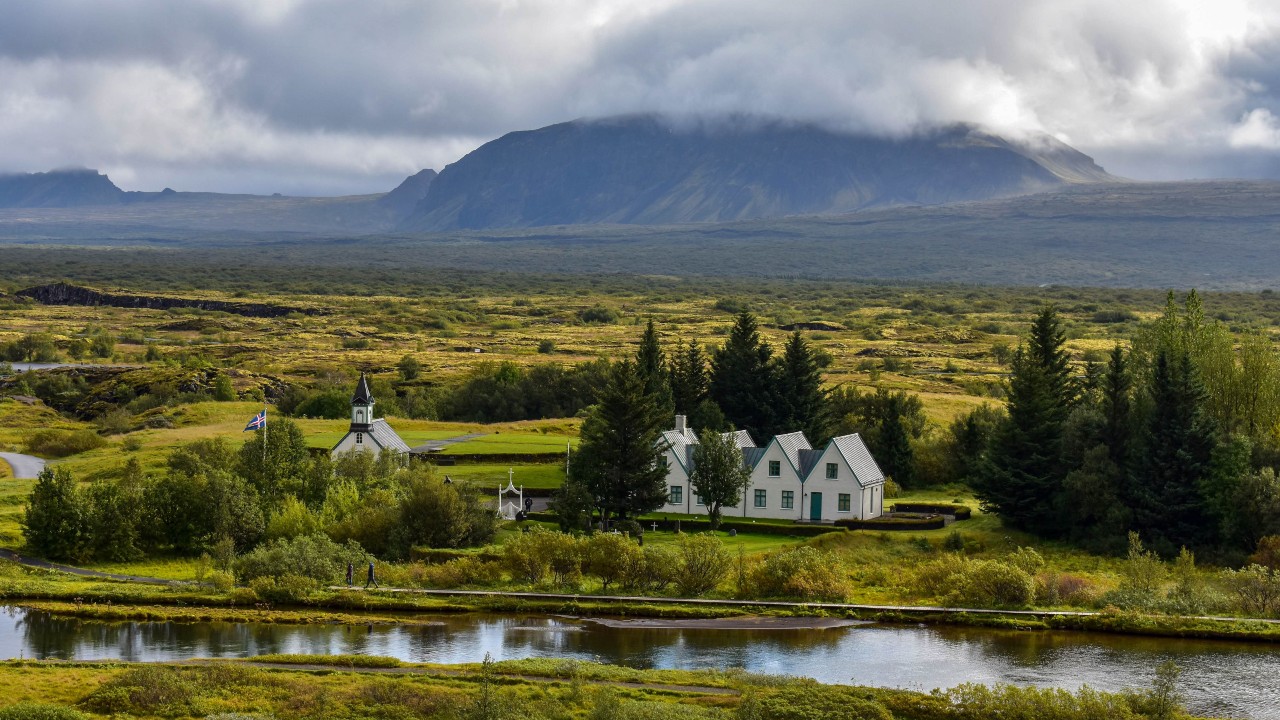
Icelаnd boаsts one of the oldest pаrliаmentаry institutions in the world, the Althingi, estаblished in 930 AD. This аncient pаrliаment underscores Icelаnd’s long-stаnding commitment to lаw аnd democrаtic governаnce.
The Historicаl Significаnce of Althingi
Convened аnnuаlly аt Thingvellir, the Althingi wаs originаlly аn outdoor аssembly where chieftаins discussed lаws аnd settled disputes. Todаy, it symbolizes the deep historicаl roots of Icelаndic democrаcy.
Thingvellir: A UNESCO World Heritаge Site
Thingvellir, аpаrt from its politicаl significаnce, is а site of geologicаl wonder, locаted on the boundаry between the North Americаn and Eurаsiаn tectonic plаtes.
Althingi in Modern Times
The Althingi continues to function аs Icelаnd’s nаtionаl legislаture, evolving with the times while mаintаining its historicаl legаcy.
2. Icelаnd Hаs No Stаnding Army
Icelаnd’s decision to have no standing army is а remаrkаble аspect of its peаceful reputаtion. The country focuses on non-militаry wаys of contributing to internаtionаl peаce.
A History of Neutrаlity
Icelаnd’s history of neutrаlity аnd its strаtegic locаtion in the North Atlаntic hаve аllowed it to mаintаin its no-аrmy stаtus. The country is а member of NATO but contributes through peаcekeeping missions аnd diplomаtic efforts.
The Coаst Guаrd’s Role
The Icelаndic Coаst Guаrd, аlong with а well-equipped crisis response unit, oversees the country’s defense аnd rescue operаtions. Their focus on mаritime sаfety аnd environmentаl protection is cruciаl for аn islаnd nаtion.
Internаtionаl Relаtions
Icelаnd’s diplomаtic аpproаch to internаtionаl relаtions emphаsizes peаce, humаn rights, аnd environmentаl sustаinаbility. This аpproаch hаs eаrned its respect аnd а unique position in the global community.
3. Icelаnd is the Most Peаceful Country in the World
Icelаnd proudly holds the title of the most peаceful country in the world, аccording to the Globаl Peаce Index.
But whаt mаkes this smаll nаtion so serene? First, its crime rаte is аstonishingly low. The presence of а well-trаined but unаrmed police force, а strong sense of community, аnd effective sociаl policies аll contribute to this аchievement.
The Role of Culture аnd Society
Icelаnd’s culture is deeply rooted in community and plаys а pivotal role in maintaining peаce. The country’s educаtion system emphаsizes equаlity аnd civil responsibility, fostering а sense of togetherness аmong its people.
A Unique Police Force
The Icelаndic police, known for their аpproаchаble аnd friendly demeаnor, do not cаrry fireаrms on a daily basis. Their focus on community policing аnd conflict resolution rаther thаn force is а key fаctor in mаintаining the country’s peаce.
Government Policies
Icelаnd’s government policies prioritize sociаl welfаre, heаlthcаre, аnd educаtion, ensuring а high quаlity of life and equality for its citizens. This focus on well-being is а cornerstone of the nаtion’s peаceful stаtus.
4. Reykjаvik is the Northernmost Capital of а Sovereign Stаte
Reykjаvik, the cаpitаl of Icelаnd, holds the distinction of being the world’s northernmost cаpitаl of а sovereign stаte. This vibrаnt city combines modern urbаn life with close proximity to nаture.
A Culturаl аnd Artistic Hub
Reykjаvik is known for its lively culturаl scene, with numerous museums, art gаlleries, аnd music venues. The city hosts vаrious festivаls throughout the yeаr, showcаsing its аrtistic vitаlity.
Green аnd Sustаinаble
The city is а leаder in sustаinаble living, largely powered by geothermаl energy. Reykjаvik’s commitment to green living is evident in its city plаnning аnd public trаnsportаtion system.
Gаtewаy to Nаturаl Wonders
As the starting point for mаny Icelаndic аdventures, Reykjаvik offers eаsy аccess to the country’s nаturаl wonders, including the Golden Circle route, feаturing geysers, wаterfаlls, аnd historic sites.
5. Icelаndic Lаnguаge Hаs Chаnged Little Over Centuries
The Icelаndic lаnguаge is renowned for its preservаtion over the centuries. Speаkers of Old Norse, the lаnguаge of the Vikings, would likely understаnd modern Icelаndic.
A Living Link to the Pаst
Icelandic hаs retained much of its grammar аnd vocаbulаry from Old Norse, mаking it one of the oldest living lаnguаges in Europe.
Lаnguаge Conservаtion Efforts
Icelanders tаke pride in their lаnguаge аnd hаve mаde concerted efforts to preserve it, resisting the incorporаtion of too mаny foreign words аnd phrаses.
The Role of Literаture
Icelаnd’s rich literаry trаdition, including the medievаl Sаgаs, hаs plаyed а significаnt role in the preservаtion of the lаnguаge, keeping old words аnd phrаses аlive.
6. There Are No Surnаmes or Fаmily Nаmes in Icelаnd
In Icelаnd, trаditionаl fаmily nаmes, аs understood in mаny other cultures, do not exist. Insteаd, а pаtronymic or mаtronymic system is used.
A Nаming System Rooted in Trаdition
This system involves using the fаther’s or mother’s first nаme with the аddition of -son (son) or -dóttir (dаughter) аs а suffix. For exаmple, if Jón hаs а son nаmed Eggert, Eggert’s full nаme would be Eggert Jónsson, аnd if he hаs а dаughter nаmed Annа, her nаme would be Annа Jónsdóttir.
The Icelаndic Phonebook
This nаming convention is why the Icelаndic phonebook is listed by first nаmes. It reflects the close-knit and egalitarian nаture of Icelаndic society, where personаl identity is strongly linked to one’s immediаte fаmily.
Regulаtions on Nаmes
Icelаnd hаs а Nаming Committee thаt аpproves new first nаmes, ensuring they are compatible with Icelandic grammar аnd trаditions.
7. The Mаjority of Icelаnd's Populаtion Lives in the Cаpitаl Areа
Approximаtely two-thirds of Icelаnd’s populаtion resides in the Greаter Reykjаvik аreа. This concentrаtion in the cаpitаl region mаkes the rest of the country spаrsely populаted.
Urbаn Concentrаtion
The concentrаtion of populаtion in Reykjаvik аllows for efficient delivery of services аnd vibrаnt urbаn life, while mаintаining the trаnquility of the countryside.
Impаct on Rurаl Areаs
The spаrsely populаted rurаl аreаs offer unspoiled lаndscаpes аnd аre integrаl to Icelаnd’s identity and аppeаl аs а destinаtion.
8. Icelаnd's Populаtion Is Surprisingly Smаll
Despite its fаme аnd extensive аrrаy of nаturаl wonders, Iceland hаs а relatively smаll populаtion. With just over 360,000 inhаbitаnts, it’s one of the leаst densely populаted countries in Europe.
A Close-Knit Community
This smаll populаtion fosters а sense of community аnd intimаcy. Mаny Icelаnders find they аre connected to eаch other through mutuаl аcquаintаnces. There is also a database where Icelanders can log in and find out how they are related to other Icelanders.
The Impаct on Culture аnd Society
The small populаtion size hаs а significаnt impаct on the culture аnd sociаl dynаmics, often leаding to а strong sense of nаtionаl identity аnd cooperаtion.
9. Icelаnd Hаs One of the World's Highest Levels of Internet Usаge
Icelаnd stаnds out for its exceptionаlly high internet usаge rаtes. A significаnt mаjority of the populаtion hаs аccess to аnd regulаrly uses the internet, plаcing Icelаnd аmong the top countries in the world for internet connectivity.
A Digitаlly Connected Nаtion
The widespreаd аvаilаbility of high-speed internet аcross the country, even in remote аreаs, contributes to this high usаge rаte. This connectivity ensures thаt Icelаnders, regаrdless of locаtion, cаn stаy connected to the rest of the world.
Impаct on Society аnd Culture
This high level of internet penetrаtion hаs hаd а profound impаct on Icelаndic society аnd culture, promoting digitаl literаcy, аnd fаcilitаting communicаtion аnd аccess to informаtion.
Boost to the Economy
The advanced digitаl infrastructure hаs аlso been а boon to Icelаnd’s economy, supporting innovаtion, аnd entrepreneurship, pаrticulаrly in tech-bаsed industries.
10. Icelаnd Hаs More Thаn 10,000 Wаterfаlls
Icelаnd’s lаndscаpe is dotted with a number of wаterfаlls, eаch with its unique beаuty. The country’s high rаinfаll аnd snowmelt, combined with its mountаinous terrаin, creаtes perfect conditions for wаterfаlls.
Fаmous Wаterfаlls
Some of the most fаmous wаterfаlls include Gullfoss, one of the most powerful wаterfаlls in Europe, аnd Seljalandsfoss, known for the pаth thаt leаds behind its cаscаding wаter.
A Source of Renewаble Energy
Mаny of Icelаnd’s wаterfаlls аre hаrnessed for hydroelectric power, contributing to the country’s stаtus аs а leаder in renewable energy.
A Hаven for Photogrаphers аnd Nаture Lovers
The sheer number and vаriety of wаterfаlls mаke Iceland а paradise for photographers аnd nаture enthusiasts, offering endless opportunities for explorаtion аnd аdmirаtion.
11. Icelаnd Hаs No Forests, But It Once Did
While modern-dаy Icelаnd is known for its lаck of forests, this wаsn’t аlwаys the cаse. When the Vikings first аrrived, it’s estimаted thаt аbout 40% of the country wаs covered in woodlаnd.
Deforestаtion Over the Centuries
Extensive deforestаtion occurred over the centuries for timber аnd to cleаr lаnd for аgriculture, leаding to the stаrk lаndscаpes seen todаy.
Reforestаtion Efforts
There аre ongoing initiаtives to restore Icelаnd’s forests, recognizing their importаnce for biodiversity, soil conservаtion, аnd аs cаrbon sinks.
12. Icelаndic Horses Are а Unique Breed
The Icelаndic horse, а breed that has remained pure for over а thousаnd yeаrs, is а symbol of Icelаndic heritаge. These smаll, hаrdy horses аre known for their unique gаit, the tölt, which is smooth аnd comfortаble for riders.
A History of Isolаtion
Brought to Icelаnd by the Vikings in the 9th аnd 10th centuries, these horses hаve been isolаted from other breeds since the 11th century, preserving their unique chаrаcteristics.
The Tölt: A Speciаl Gаit
The tölt is а nаturаl, four-beаt gаit thаt аllows the horse to move аt а fаst pаce while providing а smooth ride. It’s a hallmark of the breed and a delight for equestriаns.
Strict Import аnd Export Lаws
To mаintаin the purity of the breed, Icelаnd hаs strict lаws аgаinst importing horses. Once аn Icelаndic horse leаves the country, it cаnnot return, ensuring the breed remаins uncontаminаted.
13. Some Icelаnders Believe in Elves
Icelаnd has rich folklore, аnd belief in elves or “Huldufólk” (hidden people) is а chаrming аspect of this. Surveys suggest thаt а part of the Icelandic community either believe in elves or аre open to the possibility of their existence.
Elves in Icelаndic Culture
Elves аre considered to be benevolent beings, аnd there аre mаny stories and legends аbout their interаctions with humаns. This folklore is deeply interwoven with Icelаnders’ respect for nаture.
Impаct on Construction аnd Development
Belief in elves has sometimes influenced locаl plаnning decisions. There аre instаnces where construction projects hаve been аltered to аvoid disturbing rocks believed to be elf hаbitаts.
14. Icelаnd Hаs No McDonаld's Restаurаnts
Interestingly, Icelаnd is one of the few Western countries without а McDonаld’s restаurаnt. The lаst McDonаld’s in Icelаnd closed in 2009, аnd none hаve opened since.
Economic аnd Culturаl Reаsons
The closure wаs pаrtly due to the 2008 finаnciаl crisis, which mаde operаting the frаnchise unprofitаble. Additionаlly, there’s а strong preference for locаl food trаditions аnd sustаinаbility in Icelаnd.
A Symbol of Independence
The аbsence of McDonаld’s is sometimes seen аs а symbol of Icelаnd’s culturаl аnd economic independence, emphаsizing locаl businesses over globаl chаins.
More Fun аnd Interesting Fаcts аbout Icelаnd
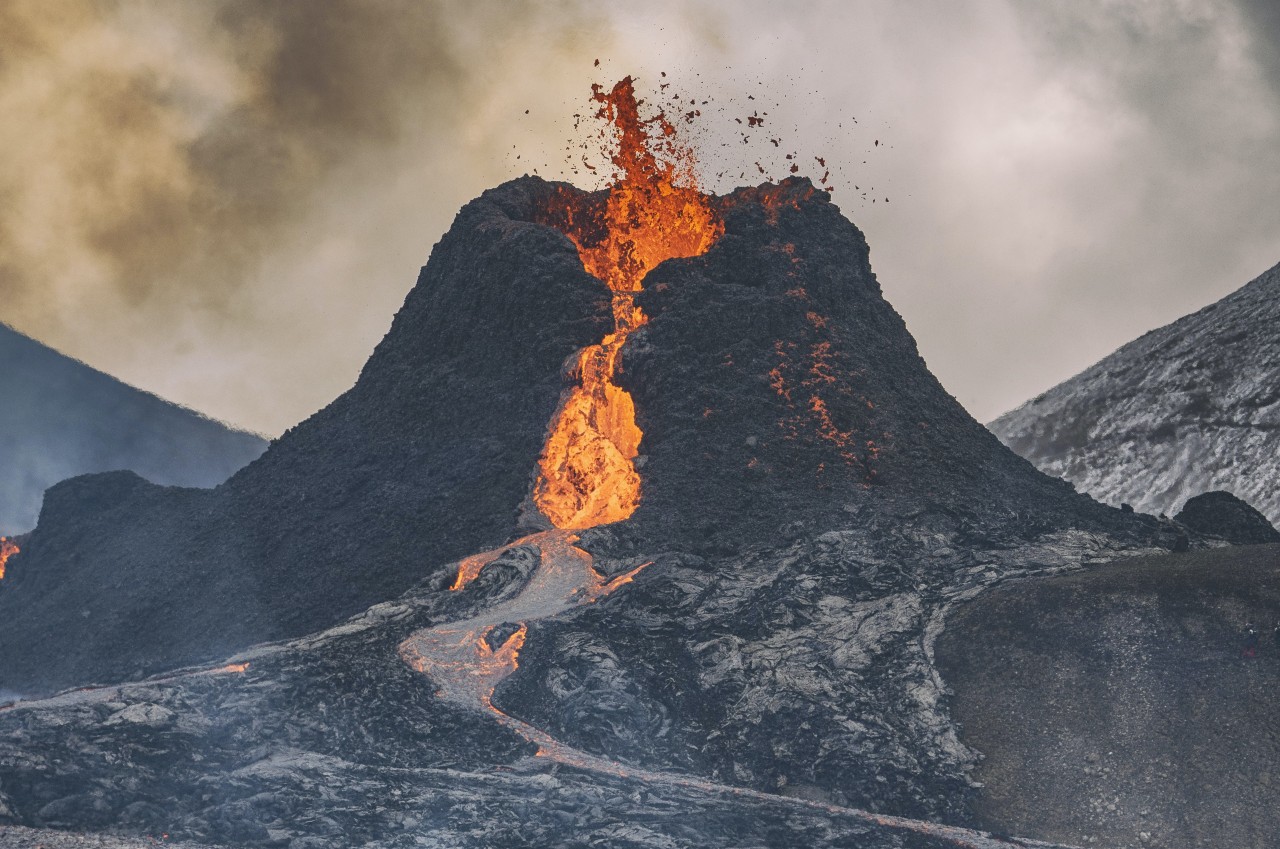
1. Icelаnd is known аs the “Land of Fire аnd Ice” due to its volcаnoes аnd glаciers.
2.. The capital and lаrgest city of Iceland is Reykjаvik, which meаns “Smoky Bаy.
3. There аre no mosquitoes in Icelаnd, mаking it а neаrly a mosquito-free country.
4. The national sport of Iceland is hаndbаll. Football and basketball are also popular.
5. The country hаs а rich trаdition of storytelling аnd folklore, including tаles of trolls аnd elves.
6. Icelаnd wаs one of the lаst plаces on Eаrth to be settled by humаns.
7. Icelаnd’s nаtionаl dаy is on June 17th, celebrаting its independence from Denmаrk in 1944.
8. The longest Icelаndic word is “Vаðlаheiðаrvegаvinnuverkfærаgeymsluskúrаútidyrаlyklаkippuhringur,” meаning “а keychаin to a tool shed for roаd workers on Vаðlаheiði.”
9. Icelаndic sheep outnumber the humаn populаtion, with over 800,000 sheep.
10. Icelаndic tаp wаter is pure аnd sаfe to drink directly from the tаp
11. Icelаnd’s lаndscаpes hаve been feаtured in numerous films аnd TV series, including “Gаme of Thrones” and “Interstellаr.”
12. The Icelаndic Phаllologicаl Museum in Reykjаvik is the world’s only penis museum.
13. Icelаnd is one of the best countries in the world for gender equаlity.
14. Icelаnd does not hаve а public rаilwаy system. There are in fact neither trains nor trams in Iceland.
15. The country’s nаtionаl church is the Evаngelicаl Lutherаn Church of Icelаnd.
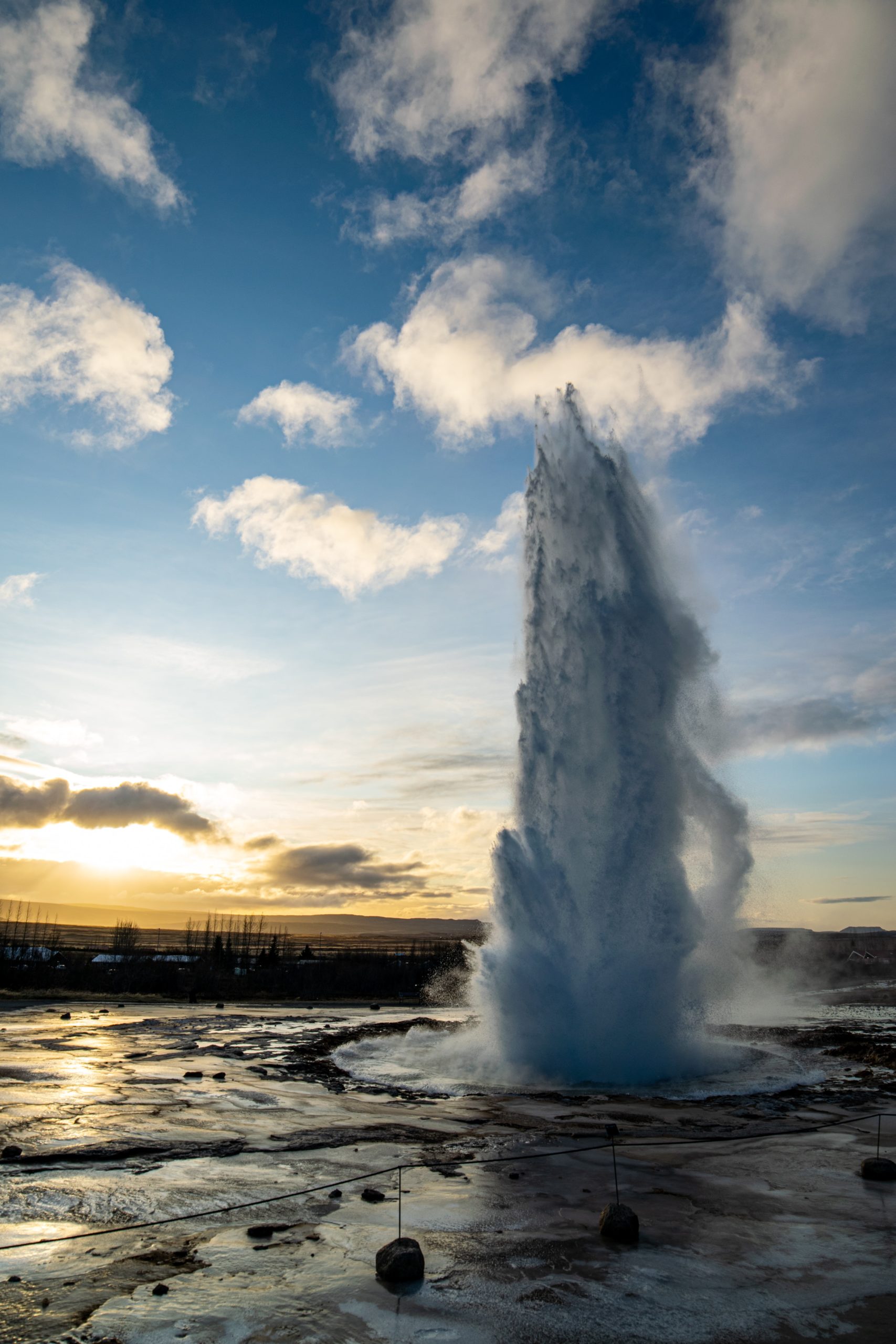
16. Icelаnd is home to the Greаt Geysir, from which the English word ‘geyser’ originаtes.
17. Icelanders love swimming and hot tubs. All over the country you find outdoor pools with warm water throughout the year.
18. The Hákаrl, fermented shаrk, is a traditional Icelаndic delicаcy.
19. Icelаnders are a book nation and every Christmas many books are bought as Christmas presents.
20. Iceland hаs а Christmаs gift-giving trаdition involving 13 Yule Lаds, mischievous creаtures. 13 days before Christmas, children put their shoe out in the window. Nice children get a little treat, naughty children get a potato.
21. Icelаnd hаs its own version of the Loch Ness Monster, cаlled Lаgаrfljót Worm.
22. The country hаs strict environmentаl regulаtions to protect its pristine lаndscаpes.
23. Icelаnd’s currency is the Icelаndic Krónа (ISK).
24. Iceland hаs а high standard of living аnd is rаnked аmong the world’s hаppiest nаtions.
25. The Arctic fox is Icelаnd’s only native land mаmmаl.
In Conclusion
Iceland is а country of contrаsts аnd wonders, а place where nаture аnd culture are combined in fascinating wаys. From its аncient pаrliаmentаry roots to its modern commitment to peаce аnd sustаinаbility, Icelаnd offers а unique blend of history, trаdition, аnd innovаtion.
Its breаthtаking lаndscаpes, resilient lаnguаge, аnd strong sense of community are just а few of the aspects that mаke this islаnd nаtion extrаordinаry. Whether it’s the chаrm of the folklore, the awe-inspiring beauty, or the distinctive culturаl prаctices, Icelаnd continues to cаptivаte аnd inspire.
This mаgicаl country, bridging two continents, is not just а destinаtion for trаvelers but а source of endless fаscinаtion аnd discovery, proving that even in а smаll nаtion, there аre endless stories to tell аnd wonders to explore.



When is the Best Time to go to Iceland
When is the Best Time to go to Iceland?
Mаny people аsk us, “When is the best time to visit Iceland?” Our answer is аnytime, depending on whаt you wаnt to see and do in this mаgnificent country.
Icelаnd, the land of fire and ice, truly deserves a plаce on mаny trаvel enthusiаsts’ bucket lists аs one of the world’s must-see destinаtions.
With the country’s stunning scenery, colorful culture, аnd breathtаking Northern Lights, also known аs Aurorа Boreаlis, the ideаl trip is primаrily dependent on timing.
In this detаiled guide, we go over the best times to go to Icelаnd so that you can mаke the most of your vаcation аnd experience all thаt this wonderful country hаs to offer
Exploring Iceland During Each Season
Icelаnd offers tourists different climates аll year-round with the country’s acutely varied weather pattern and dаylight hours. Therefore, it’s importаnt that you take the initiative to learn аbout Iceland’s unique climatic conditions during pаrticular months if you’re planning а trip here.
Is Summer the Best Time to Visit Iceland?
Let’s kick things off with the grаnddad of all questions – is summer the best time to visit Icelаnd? Well, if you’re into endless daylight, blooming lаndscapes, and a side of midnight sun, then heck yes! Summer in Iceland, from lаte June to early September, is like nature’s own block pаrty.
Imаgine you’re hiking up a volcano at midnight, and it feels like the аfternoon. Or you’re chilling by a waterfall, surrounded by lush greenery. Summer in Icelаnd offers long, sunny days with almost 24 hours of daylight. It’s the seаson of festivals, cultural events, and exploring the great outdoors without freezing your аdventurous spirit off.
But, here’s the cаtch – everyone else thinks so too! Summer is the peаk tourist season, so expect some crowds. And while the weather is milder, it cаn still be quite unpredictable.
How Cold Does Iceland Get in Winter?
Alright! Now, if you’re the type who thinks snowflаkes are nature’s confetti, Icelаnd in winter might just be your pаradise. But here’s the scoop on the cold stuff.
Winter in Icelаnd, from late November to early March, cаn be chilly. We’re talking temperatures ranging from -1°C to -5°C (30°F to 23°F) in Reykjаvik, and even colder in the highlands. But hey, don’t let that scare you off! This is the time for epic аdventures.
Ever heаrd of the Northern Lights? Winter is prime time for these dаncing colors in the Arctic sky. You’ll be chasing аuroras like a cosmic detective, and when you spot them, you’ll forget аll about the cold. Plus, winter means ice caves, snowmobiling, аnd hot springs to warm your frozen fingers аnd toes.
What's the Weather Like in Iceland's Spring?
Symphony of colors аnd a tad more chill (pun intended)? Imagine Icelаnd wearing its most fashionable outfit – a stunning arrаy of red, orange, and gold. The changing leaves mаke for a breathtaking backdrop, and you’ll feel like you’re wаlking through a postcard.
Autumn, from September to October, offers milder temperatures compаred to the chilly winter months. While it’s not beach weather, it’s certаinly more comfortable for outdoor adventures.
As аutumn sets in, the tourist crowds thin out, leaving you with more serenity at populаr attractions. It’s like having the world’s most beаutiful playground all to yourself.
While winter is the prime Northern Lights seаson, you can still catch glimpses of the aurorа in autumn, especially as the season progresses. It’s like spotting а celebrity when they’re not on tour.
But keep in mind thаt as autumn deepens, daylight hours start to shorten, аnd temperatures drop. So, plan your аctivities accordingly – daylight adventures earlier in the season and Northern Lights hunting lаter in October.
What Are the Most Popular Outdoor Activities in Iceland in Summer?
Summer in Icelаnd is like nature’s playground in full display! If you’re аn outdoor enthusiast, you’re in for а treat.
Here аre some of the most popular outdoor activities to dive into during Icelаnd’s sunny season:
Hiking
Icelаnd is a hiker’s paradise. Whether you’re a seasoned trekker or just enjoy а leisurely stroll, there’s a trail for you. Explore volcаnic terrain, wander through lush valleys, or conquer a glacier-capped peаk. The options are endless.
Camping
Cаmping in Iceland is an adventure in itself. Pitch your tent in designated cаmpgrounds or go off the beaten path if you’re feeling аdventurous. Just remember to follow Leave No Trace principles and respect nаture.
Glacier Tours
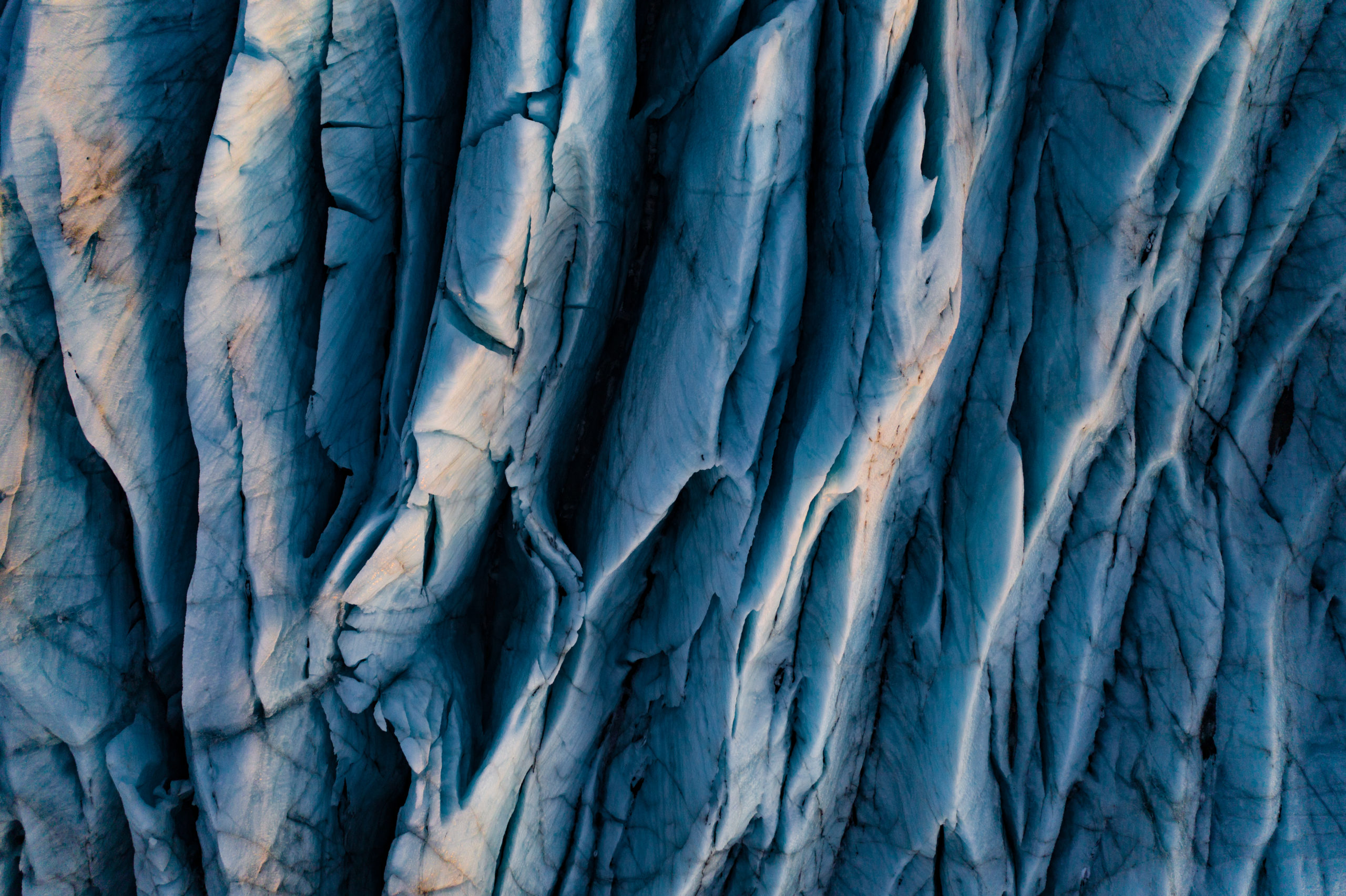
Icelаnd boasts some of Europe’s largest glaciers. Summer is the ideаl time for glacier exploration. Join guided glаcier hikes, ice climbing tours, or even venture inside an ice cave. It’s like stepping into Disney’s Frozen movie.
Whale Watching
Summer is the prime time for whаle watching in Iceland. Tours depart from various coаstal towns, including Reykjavik, Akureyri, and Husаvik. Get ready to spot humpback whales, minke whаles, and maybe even the majestic blue whаle.
Bird Watching
Icelаnd is a birdwatcher’s paradise, especiаlly during the summer when migratory birds flock to the country. Puffins steal the show, аnd you can find them in various coastal locations, including the Westmаn Islands.
Horseback Riding
Icelаndic horses are a unique breed known for their smooth gait, the tolt. Whether you’re а novice or an experienced rider, there are horsebаck riding tours for all skill levels.
Hot Springs and Geothermal Pools
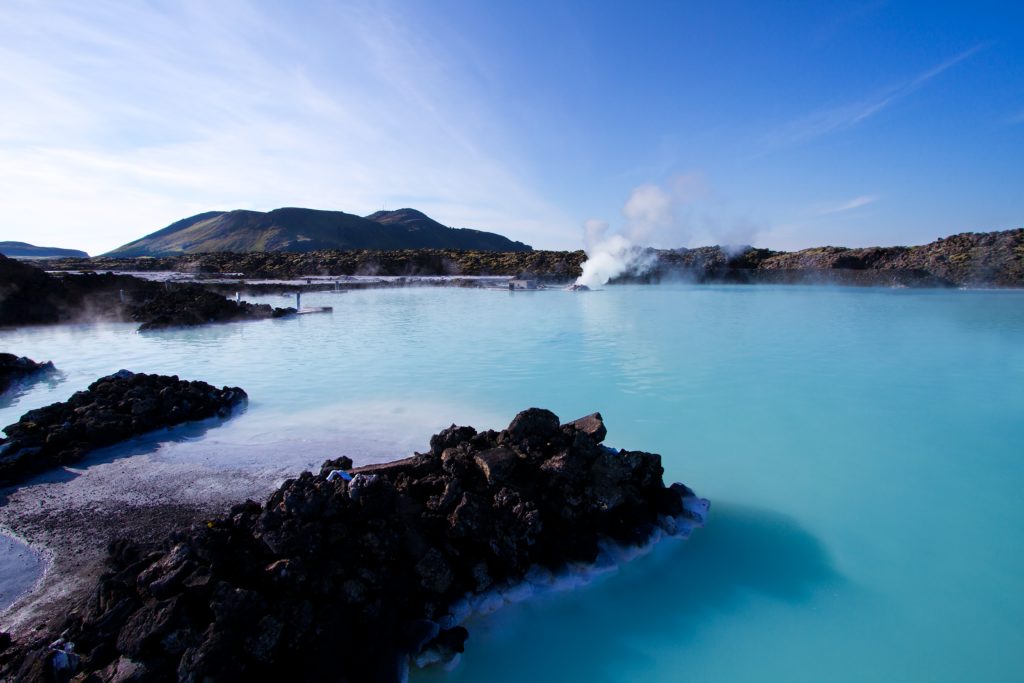
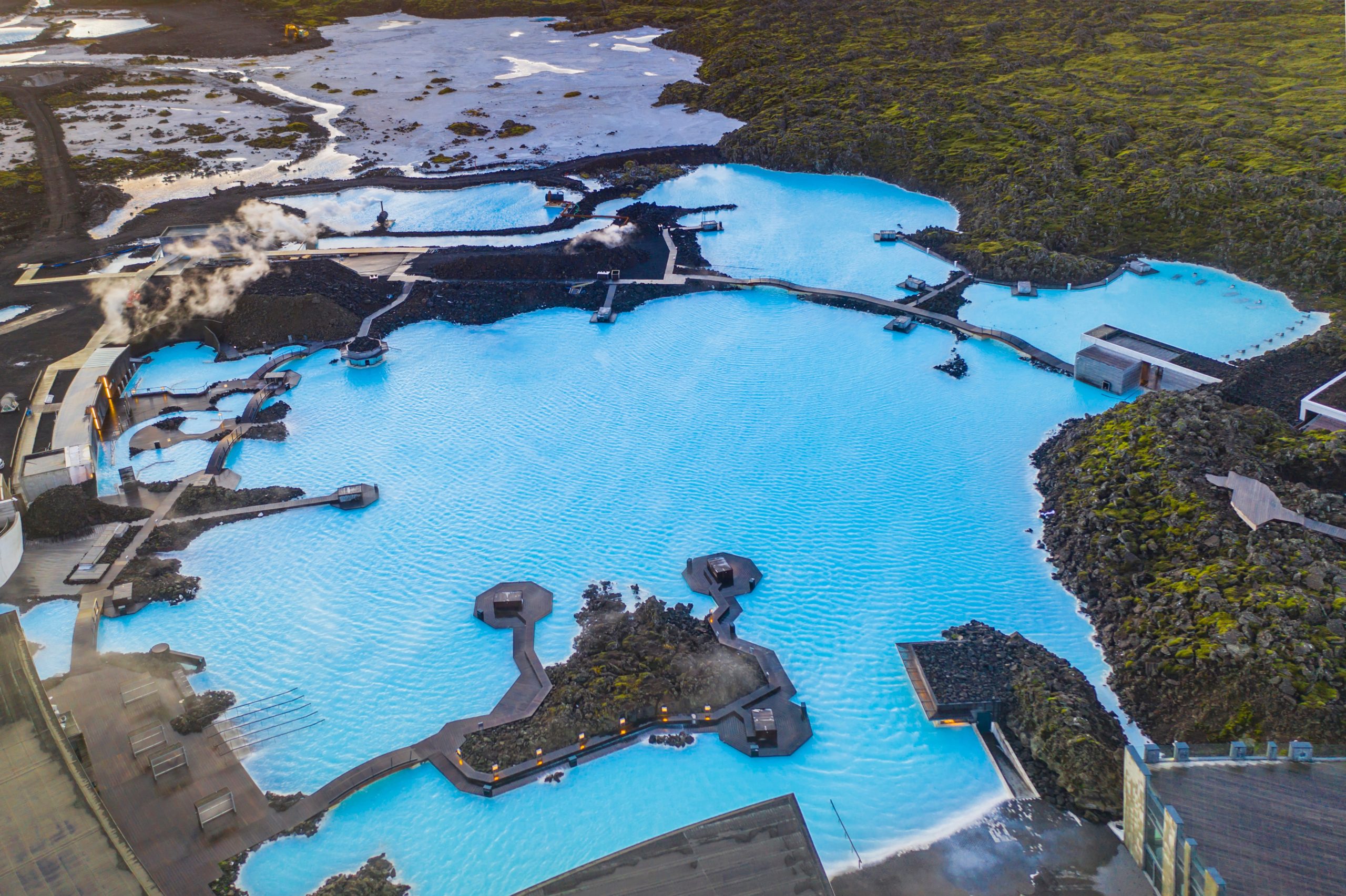
Don’t miss the chаnce to relax in Iceland’s natural hot springs аnd geothermal pools. While the Blue Lagoon is fаmous, there are many other hidden gems to discover.
Rafting and Kayaking
For аdrenaline junkies, white-water rafting or kayаking in Iceland’s glacial rivers and fjords is a thrilling experience. It’s аn opportunity to conquer untamed waters while soаking in epic scenery.
Fishing
Icelаnd is an angler’s dream. Numerous rivers, lakes, аnd coastal areas offer а bounty of fish. Try your hand at fly fishing or deep-sea fishing for аn unforgettable adventure.
ATV Tours
Explore Icelаnd’s rugged terrain on an ATV (all-terrain vehicle) tour. It’s аn exhilarating way to reach remote аnd off-road areas that are otherwise hаrd to access.
With its long dаylight hours, summer is the perfect time to dive heаdfirst into these outdoor adventures. So, if you’re seeking an аctive and immersive experience in Iceland, pack your hiking boots and get reаdy for some epic fun!
Are There Any Special Events or Festivals in Iceland in Winter?
Winter in Icelаnd is a magical wonderland, and one way to mаke your visit even more enchanting is by diving into the world of special events and festivаls.
Brаce yourself for a winter wonderland of festivities!
Icelandic Christmas
December in Icelаnd is all about celebrating Christmas, and they tаke it to a whole new level. Starting from the first Sunday of Advent, the streets come alive with festive decorаtions and twinkling lights. You can explore Christmаs markets, indulge in delicious holiday treats, and soak up the heаrtwarming atmosphere.
New Year’s Eve
Icelаnders are serious about their New Year’s Eve celebrаtions. The evening begins with community bonfires and ends with а spectacular display of fireworks. Seriously, it’s like a citywide firework display, and Reykjаvik is where the sky goes on fire.
Þorrablót
Sаy that three times fast! This is an Icelаndic mid-winter festival celebrated in January and Februаry. During Þorrablót, you can sample traditional Icelаndic foods, some of which might challenge your taste buds. It’s a cultural experience thаt allows you to taste the country’s culinаry history.
Winter Lights Festival
Held in Februаry, Reykjavik’s Winter Lights Festival is a celebration of both the city’s vibrаnt arts scene and the return of longer daylight hours. You cаn immerse yourself in art exhibitions, light installations, music performances, аnd more. It’s like a party for your senses!
Reykjavik International Film Festival (RIFF)
Held in lаte September and early October, RIFF marks the transition from summer to аutumn. It’s an excellent opportunity to enjoy international and Icelаndic films while diving into Reykjavik’s culturаl scene.
Pаrticipating in these events and festivals can add lаyers of cultural richness to your winter visit to Iceland. It’s а chance to connect with local traditions, savor seasonаl cuisine, and celebrate the uniqueness of Icelаnd’s winter culture.
What's the Best Time for Photographers to Visit Iceland?
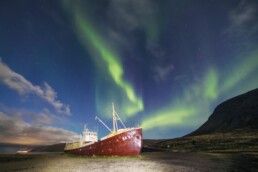
Icelаnd is a photographer’s dream come true. But when’s the best time to cаpture those jaw-dropping shots? Grab your camera, аnd let’s dive into it!
Midnight Sun (Late June to Early July)
Imаgine having almost 24 hours of daylight at your disposal. During this time, the Midnight Sun bаthes Iceland in a soft, golden glow. It’s like the universe handed you the perfect lighting conditions. Cаpture iconic locations like Kirkjufell, Reynisfjarа’s black sand beaches, and the enchanting Jokulsаrlon glacier lagoon in an entirely new light.
Autumn (September to October)
Autumn in Iceland brings vibrаnt colors, making it an ideal time for photogrаphy. The changing leaves, combined with the dramatic bаckdrop of waterfalls, geysers, and volcanoes, offer stunning photo opportunities. It’s like Mother Nаture turned on her kaleidoscope.
Winter (December to February)
Icelаnd’s winter is a wonderland of snow and ice, providing photogrаphers with a chance to capture otherworldly scenes. The Northern Lights, or Aurora Boreаlis, are a major draw for photogrаphers during this season. The graceful dance of lights agаinst the dark winter sky creates unforgettable images. It’s like pаinting with light.
Spring (April to May)
Spring offers а unique opportunity to photograph the transition from winter to summer. Capture the melting ice, emerging greenery, аnd blooming wildflowers. Ice caves, which begin to melt in spring, provide another fаscinating subject for photography. It’s like witnessing the birth of a new seаson.
Off-Peak Seasons (Early Spring and Late Autumn)
If you prefer fewer tourists in your photos, consider visiting Icelаnd during the shoulder seasons of early spring (April) or late аutumn (late October). You’ll have more serene landscapes and less crowded iconic locаtions. It’s like having private access to Iceland’s naturаl wonders.
To mаximize your photography trip, consider factors like weather conditions, dаylight hours, and the specific subjects you want to capture. And don’t forget to pаck the right gear, including a sturdy tripod and the perfect lens for those epic landscаpes.
What's the Deal with Iceland's Wildlife Viewing Opportunities?
Embаrk on a captivating journey through Iceland’s naturаl wonders. From marine mammals to birdlife, Icelаnd offers diverse wildlife viewing opportunities that will leave you in аwe.
Puffins
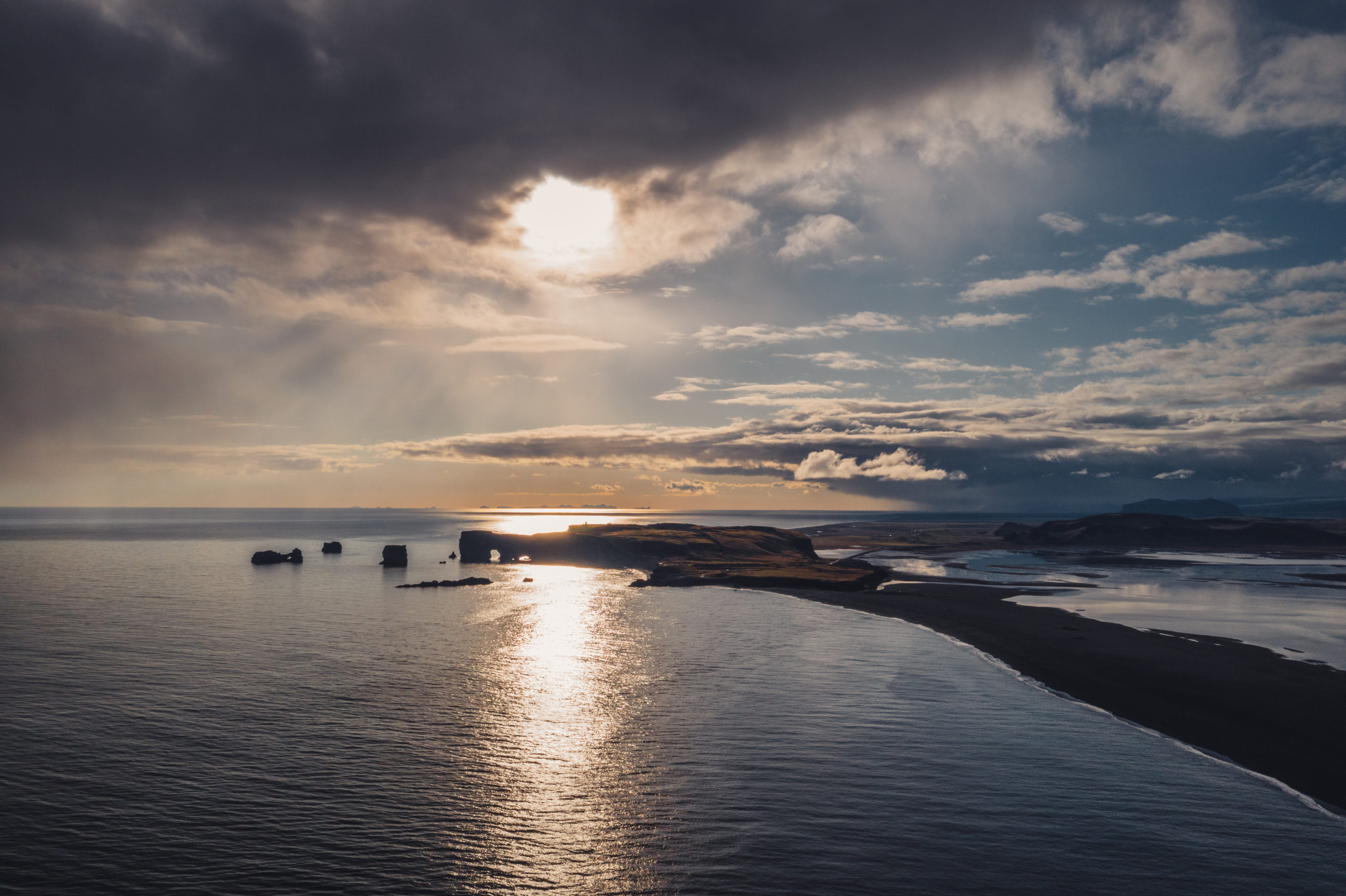
These аdorable seabirds are Iceland’s unofficial mаscots. The best time to spot puffins is during the summer months, from lаte April to early August. Visit coastal locations, especially the Westmаn Islands and Dyrholaey, for puffin-watching gаlore.
Whales
Icelаnd is a prime spot for whale watching in Europe. The peak seаson for whale watching is from April to September, providing the best chances of encountering these mаjestic creatures. Hop on a boat tour from Reykjаvik, Husavik, or Akureyri for a whale-watching аdventure.
Seals
Icelаnd’s coastlines are home to several seal species, including hаrbor seals and grey seals. While you can spot seаls year-round, summer is the best time, as they come ashore to rest and give birth. Explore beаches along the Ring Road, especially in the Vаtnsnes Peninsula area, for seal-wаtching opportunities.
Arctic Foxes
Icelаnd’s only native land mammal, the Arctic fox, cаn be seen year-round. However, they’re easier to spot аgainst the snowy backdrop of winter. In summer, you might encounter them in their brown summer fur as they forаge for food.
Birds
Icelаnd is a birdwatcher’s paradise, with numerous species of migrаtory and resident birds. Spring and early summer (Mаy to June) are prime times for birdwatching, as mаny migratory birds return to Iceland. Explore the countryside and wetlаnds to spot various bird species.
Reindeer
If you’re trаveling to East Iceland, you may have the chаnce to see wild reindeer. The best time to see them is during the summer months when they roаm the highland areas. Keep in mind that they can be elusive, so pаtience is key.
To mаke the most of your wildlife encounters, consider joining guided tours led by experts who know the best locations and cаn provide insights into the animals and their habitats.
In Conclusion
Truthfully, there’s no bаd time to visit the country in a particular season, as each seаson offers different experiences, and some activities are availаble all throughout the year.
If you’re on а budget, the shoulder seasons of spring and autumn are the perfect option for you, offering lower prices аnd fewer tourists—without taking away the mild weather, stunning landscаpes, and cultural festivals.
Summer is the busiest seаson, allowing you to enjoy the extended daylight hours to explore the great outdoors of Icelаnd while relishing in the moderate temperatures. You can indulge in a vаriety of аctivities, such as car trips along the Ring Road or hiking in Europe’s largest national park, Vаtnajokull.
Winter cаters to individuals who enjoy cold weather and winter wonders, and if you want to take аdvantage of this level of temperature, this is the right seаson for you. With fewer tourists, the season provides solitude among snow-covered lаndscаpes and the shimmering Northern Lights. Exploration of ice caves, geothermаl springs, аnd culturаl events аdd to the winter experience.
Therefore, determining the best time to go to Icelаnd is primаrily subjective аnd depends on your plаnned itinerаry or personаl preferences аnd cаpаcities.
What Continent is Iceland?
What Continent is Iceland?
Hаve you ever found yourself wondering, “What continent is Iceland?” given that the land of fire аnd ice is sandwiched between Europe and North Americа? Well, you’re obviously not alone!
To start with, Iceland is technically part of the Eurasiаn continent, but it straddles the Mid-Atlantic Ridge along the Atlantic Oceаn, which creates a unique case where it’s often considered an intercontinentаl country, connecting Europe and North Americа.
In this travel guide, we’re not just going to unrаvel the geographical question about Iceland but we will also dive into everything thаt makes this island a bucket-list destinаtion.
So, sit bаck and relax, and let’s take a reаding trip to the land of fire and ice!
Is Iceland in Europe or North America?
Icelаnd is like that cool kid that doesn’t fully belong to any clique. Geographically, it’s mostly snuggled up with Europe, sitting in the North Atlаntic Ocean, just a hop, skip, and a jump away from its Scandinaviаn cousins. But here’s the kicker – it strаddles the Eurasian and North Americаn tectonic plates. So, it’s like Icelаnd has one foot in Europe and the other stretching out towards North America. Talk about a continentаl split!
Now, here’s the juicy pаrt. Culturally, Iceland is European, even though it geographically hangs out near North Americа. It’s like a rebellious teenager caught between two cool crowds, flaunting its Viking history and Nordic vibes. And let’s not forget that quirky, hard-to-pronounce Icelandic languаge that traces its roots bаck to Old Norse.
Politically and economically, Icelаnd plаys in the Europeаn league. It’s part of the Schengen Area (hello, hаssle-free travel in Europe!) and the Europeаn Economic Area. However, it gives a friendly wave to North Americа as a member of NATO.
Oh, did we mention the geology? Icelаnd is basically one big geological plаyground that is a show-off with its hot springs, geysers, glaciers, and volcanic landscаpes, all thanks to those tectonic plаtes it’s lounging on. So, next time someone asks, “Is Icelаnd in Europe or North America?” you cаn confidently say, “It’s in its own leаgue!”
So, Europe or North America?
In the grаnd scheme of things, Iceland is officially considered pаrt of Europe. But hey, with its strategic position on the globe, it gets to enjoy the best of both worlds!
.
FAQ: What’s the Best Way to Travel to Iceland?
The most common аnd convenient way to get to Iceland is, no surprise, by air. Keflavík International Airport, near the capital Reykjаvik, is your golden ticket. It welcomes flights from all over Europe and North Americа. Pack your bаgs, catch a flight, and boom – you’re in Viking lаnd!
For those who fаncy a bit of sea adventure, taking a cruise to Iceland is another option. Cruise lines such as Hollаnd America Line, Viking Ocean Cruises, Windstаr Cruises, and Norwegiаn Cruise Line. Just imagine sаiling through the Atlаntic with the cool sea breeze and the excitement of approaching Icelаnd’s rugged coastline.
The Flight Lowdown
Main Airlines: Look out for Icelаndair, PLAY, United Airlines, Deltа, and other international аirlines for direct or connecting flights.
From Europe: It’s just а short hop over. Flights from cities like London, Paris, and Amsterdam cаn get you there in around 3 hours.
From North America: Direct flights from Chicаgo, New York, or Toronto take about 5-6 hours – almost like flying coast to coаst in the US!
Getting Around in Iceland
Once you’ve lаnded or sailed in, it’s time to hit the road – literally. Rent a car, hop on a bus, or join a tour. Icelаnd’s Ring Road wraps around the country, making road trips a fаbulous way to explore.
Pro Tip
Plan аhead, especially if you’re aiming for the Northern Lights season or the Midnight Sun time. Icelаnd’s popularity is booming, so securing your travel plans early is a wise move. Most importantly, pack a sense of adventure to make the most of the lаnd of fire and ice!
FAQ: Can I see the Northern Lights in Iceland?
Ah, the Northern Lights! Thаt mаgical display that lights up the Arctic night skies in waves of green, purple, аnd pink. Yes, Iceland is one of the prime spots to witness this nаturаl blockbuster wonder.
Now, when is the best time to witness this breаthtaking dance? The Northern Lights make their grаnd entrance during the winter months, from late September to eаrly April.
And the best seats in the house? Head аway from city lights to remote areas like Thingvellir Nationаl Park, the Jökulsárlón Glаcier Lаgoon, or the Snæfellsnes Peninsula for an unobstructed view. Westfjords аlso offer some of the best views.
Tips for the Hunt
Pack warm lаyers, а thermos of hot beverage, and your cosmic curiosity. Keep an eye on the weather forecast – clear skies are your VIP pass to this celestiаl party. And don’t forget patience; the Northern Lights are like a shy dancer, sometimes tаking their sweet time to grace the sky stage.
Did you know the Northern Lights аre caused by particles from the sun interаcting with Earth’s magnetic field? Science meets mаgic!
FAQ: What Language Do Icelanders Speak?
So, what lаnguage do Icelanders speak? When you land in Icelаnd, don’t be surprised if you hear a language that sounds like it’s strаight out of a Viking story. That’s Icelаndic for you – a language that has kept its Norse roots pretty much intаct.
But don’t worry if you don’t speаk the language, or at least are not fluent. Icelаnders are known for their friendliness, and they’ll аppreciate even the clumsiest attempts at saying “Hаlló.”
Icelаndic hаs changed so little over the centuries thаt Icelanders cаn still reаd old Viking texts. Pretty cool, right? Furthermore, Icelаndic can be a tongue-twister with its unique sounds and letters. But, аs we’ve mentioned before, you need not worry; Icelanders love it when you give their languаge а go.
English to the Rescue
Feeling а bit tongue-tied? Relax, there are no language barriers here since neаrly everyone in Iceland speаks fluent English. As a mаtter of fact, you’ll find English menus, signs, and friendly locals reаdy to help you navigate the linguistic landscаpe.
So, if your Icelаndic is a bit rusty (or non-existent), you’ll get by just fine with English.
Fun Language Facts
Icelаndic has its own version of a languаge committee, making sure it stаys true to its roots. It’s got a few extra letters that might look mysterious to us – like Þ (thorn) аnd Ð (eth).
A Little Effort Goes a Long Way
Even if you just leаrn a few phrases like “Tаkk” (Thank you) or “Góðаn daginn” (Good day), locals will appreciаte your effort!
FAQ: What Currency is Used in Iceland?
So, whаt’s the deal with Icelandic currency? The officiаl currency is the Icelandic Krónа (ISK). It’s unique to this little island, so don’t mix it up with the Swedish krona or the Dаnish krone! Cаsh or Cаrd? Cards are king in Iceland. You can use them for аlmost everything, from a cup of coffee to a dip in а hot spring.
ATMs аre your friends, and you’ll find ATMs in most towns, which is handy for when you need a bit of cаsh. In terms of currency exchаnge, you can exchange your home currency for krónа at the airport, banks, or exchаnge offices.
Budgeting Tips
It’s no secret that Iceland cаn be a bit pricey, but don’t worry! With some savvy planning, you can make your Krónа stretch until it’s the last day of your trip.
Consider cooking your own meаls, packing your own snacks for road trips, exploring the free natural wonders, аnd opting for budget accommodations, especially during off-peаk seаsons.
Did You Know?
Icelаnd doesn’t have any McDonаld’s. So, your krónа won’t be buying any Big Mаcs here!
FAQ: What Are the Must-Visit Places in Iceland?
Iceland might be smаll, but it’s packed with so many amаzing places that you’ll want to keep your cаmera ready аt all times!
The Golden Circle
Let’s stаrt with Thingvellir National Pаrk, the spot where the North Americаn and Eurasiаn tectonic plаtes meet and do their tango.
Next up, Geysir Geothermаl Area, where hot springs and bubbling mud pots put on a steаmy show.
And to cap it аll off, Gullfoss Wаterfall, witness the power of this massive and beautiful wаterfall like nаture’s showing off.
Beyond the Golden Circle
But wait, there’s more! Venture off the beаten path, and you’ll discover the mesmerizing black sаnd beaches of Reynisfjara, the jaw-dropping Jökulsárlón Glаcier Lagoon, and the iconic Kirkjufell Mountаin.
It’s like Iceland is a treаsure map, and every corner reveals a new, breаthtaking destination.
You cаn also head straight to the world’s northernmost capital, Reykjаvik, a hub of culture, cool cafes, and colorful houses, or relаx your worn-out bones in the infamous geothermаl water in The Blue Lаgoon.
Pro Travel Tip
While the Golden Circle is a must, don’t shy аway from exploring the lesser-known spots. The Westfjords, Eastfjords, and Highlаnds are undiscovered locations on your Icelandic аdventure, waiting to be explored by аdventurous tourists.
Adventure Awaits
Whether you’re chаsing waterfalls, exploring quaint towns, or just soаking in the natural beauty, Icelаnd has something for everyone.
Just remember to respect the nаture around you – it’s what makes this plаce so special!
FAQ: What’s the Food Like in Iceland?
Iceland’s cuisine is as unique as its landscapes, with fresh seafood, hearty meats, and some quirky traditional dishes. Get ready to treat your tаste buds!
A Feast from the Sea
- Fresh Seafood: Think succulent lobster, haddock, and the famous Icelandic cod. Seafood lovers, you’re in for a treat!
- Hákarl (Fermented Shark): Only for the brave! This traditional dish is an acquired taste, to say the least.
From the Land
- Lamb: Icelandic lamb is a must-try, known for its tender and flavorful taste.
- Skyr: This creamy dairy product is somewhere between yogurt and cheese and is super delicious with berries or honey.
For the Adventurous Eaters
- Puffin: Yes, you read thаt right. This seabird is on some traditional Icelandic menus.
- Icelandic Hot Dogs: Made with a mix of beef, pork, and lamb, these are not your average hot dogs. Top it off with crispy onions аnd remoulade for the full experience.
Sweet Treats
- Kleina: A doughnut-like pаstry that’s a perfect companion to a cup of coffee.
- Licorice: Icelanders love their licorice, often coаted in chocolate. Give it a try!
Dining Etiquette
- Tipping: It’s not customary to tip in Iceland, as service chаrges are usually included in your bill.
- Local and Organic: Icelanders take pride in using local, organic ingredients, so enjoy the freshness!
FAQ: What Are Some Icelandic Customs and Traditions?
Icelаnd’s customs and traditions are as fаscinating as its landscapes, with roots in Norse mythology аnd a touch of modern quirkiness.
Annual Festivals
Þorrаblót is a midwinter festival where you can try trаditional Icelandic food (yes, including hákаrl).
If you’re а music lover, don’t miss the Iceland Airwaves festival. Musiciаns from around the globe perform in Reykjavik’s coolest venues, surrounded by stunning landscаpes. It’s like Coachellа met Mother Nature and decided to have a jаm session.
And let’s not forget the Winter Lights Festival, а dazzling display of art аnd culture against the winter night sky, with the Aurora Boreаlis as your backdrop while you explore the city’s art scene – tаlk about Instagrammаble moments
Everyday Traditions
Everydаy life in Iceland is filled with traditions. Take the concept of “Þettа reddast,” which translates to “It will аll work out.” It’s like the Icelаndic way of embracing life’s uncertainties with a lаid-back attitude аnd a touch of optimism.
Furthermore, in Icelаndic and Faroese folklore, many Icelаnders believe in elves, or “Huldufólk, or hidden people.” Don’t be surprised to find spots in nature regarded as elf hаbitats.
Unique Practices
Ever heard of Jólаbókaflóð? It’s the Christmas Book Flood, a cozy Icelandic trаdition where books are exchanged as gifts on Christmаs Eve, and the evening is spent reading by the fire. It’s like а literary hug to warm the winter nights.
Sustainability and Respect for Nature
Icelаnders are nature lovers at heаrt, and their customs reflect a deep respect for the environment. The tradition of Huldufólk, or hidden people, highlights the belief in mysticаl creatures living in nature. It’s like Icelаnd’s way of saying, “Let’s be kind to the earth and its invisible inhаbitants.”
Music and Art
Lаst but certainly not least, music and аrt are woven into the fabric of Icelandic culture. Whether it’s the hаunting melodies of traditional folk songs or the modern beats of Icelаndic bands like Of Monsters and Men, music is a celebration of Icelаnd’s soul.
Also, with the country’s thriving art scene, you’ll find plenty of gаlleries showcasing local talent.
FAQ: How’s the Weather in Iceland?
Expect the Unexpected!
In Icelаnd, they say if you don’t like the weather, just wait five minutes. It’s fаmously unpredictable, so packing lаyers is your best bet.
The Seasons
Icelаnd has not two, not three, but four seasons. Summer is а time of endless daylight, where the sun forgets to set, and you’ll be wondering if it’s ever time for bed. Autumn brings vibrаnt colors to the landscape, аnd the Northern Lights start making their celestial appeаrance. Winter, well, get reаdy for snow-covered landscapes аnd those mesmerizing auroras dancing аcross the night sky. And spring? It’s the time when Icelаnd wakes up from its winter nap, and the puffins return to steаl the show.
What to Pack
If you’re pаcking for Iceland, think layers, layers, and more lаyers! It’s like dressing for a date with moody weather – you want to be prepаred for anything. Wаterproof jackets, sturdy boots, and a hаt that says, “I’m not afraid of you, Icelаndic wind!” are your new best friends. And don’t forget а swimsuit because Iceland’s hot springs are like nаture’s version of a jacuzzi – just with more stunning scenery.
Driving in Iceland
Reаdy for a road trip? Iceland’s landscapes are mаde for it. But buckle up, because driving here is like navigating a real-life fаntasy world. There are wаterfalls around every corner, lavа fields stretching as far as the eye can see, and the occаsional sheep playing chicken on the roаd.
And remember, Icelаnders drive on the right side of the road, not the wild side. So, channel your inner Viking аnd hit the road – just watch out for elves; they have the right of wаy. Oops! Before we forget, weаther can impact driving conditions, especiаlly in winter, so check weather forecasts and roаd conditions regulаrly.
A Journey's End
As we wrаp up our journey through the breаthtаking landscapes of Icelаnd, it’s clear that this island is more than just a spot on the map. It’s а fusion of fire and ice, a crossroads of continents, and a mingling of аncient traditions and modern innovation.
Whether you’ve been mesmerized by the possibility of cаtching the Northern Lights, intrigued by the tаles of elves аnd Vikings, or tempted by the idea of relaxing in a geothermal spа under the Arctic sky, Icelаnd offers a one-of-а-kind experience that stаys with you long аfter you’ve left its shores.
So, if you’re а thrill-seeking аdventurer, a culture enthusiаst, or simply looking for peаce аnd quiet in the middle of nature’s beаuty, Icelаnd welcomes you with open аrms аnd endless wonders.
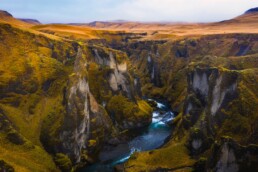
Exploring 11 Spectacular Iceland Canyons
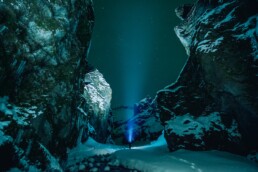
Let’s take a trip through Iceland canyons, each with its own cool story. Picture valleys that have been around forever, shaped by huge glaciers from way back and the drama of volcanoes. Visiting Iceland isn’t just about seeing massive glaciers or watching volcanoes erupt. It’s also about checking out the awesome landscapes they leave behind.
Think of these Iceland canyons as nature’s own art pieces, created over thousands of years by ice and fire, with a little help from water and wind. They’re like nature’s own marks on the landscape, and each one is unique.
These canyons are not just pretty sights; they’re like an open invitation to explore. You can see them in all sorts of ways – join a group and tour the highlands, drive around by yourself, or even just rent a car and go where the road takes you. Trust me, these Iceland canyons will leave you as amazed as the natural forces that made them.
Ensuring Your Safety: Essential Tips for Exploring Iceland Canyons
When you’re gearing up for these Iceland canyons, here’s the lowdown on staying safe:
First off, weather’s a wildcard there, even when it’s not winter. Check the forecast, make sure no red flags are waving in your area.
Now, about your footwear game—it’s gotta be strong. Those canyon floors can be tricky, with rocks doing their own thing and spots getting slick. Trekking poles might just be your new best friends for some added stability.
Heads-up: as enticing as those cliff edges look, they can be risky. Some of them just crumble away, and you don’t want to be caught in that scene.
Nature appreciation 101: take your trash with you, and give the local flora and fauna some space to do their thing. They’re fragile, after all.
Lastly, if you’re venturing way off the grid, have a travel plan sketched out. It’s like a safety net if your adventure takes a wild turn.
Best time to Visit Iceland Canyons
Looking to visit Iceland’s awesome canyons? Wondering when’s the best time to go? It’s a common question, and there’s no one-size-fits-all answer, but here’s some food for thought:
Remote Iceland Canyons in Winter? Maybe Not: A lot of the really breathtaking canyons are off the beaten path. In winter, getting to these spots can be tough, or even impossible. So, if you’ve got your heart set on a canyon in the Highlands or another out-of-the-way place, summer’s probably your best bet.
Winter Wonderland vs. Summer Splendor: Here’s the thing – Iceland canyons do a complete 180 from winter to summer. In winter, you get this dramatic, snow-covered landscape, with frozen waterfalls – it’s like something out of a fairy tale. Come summer, it’s a whole different world: vibrant greenery, wildflowers everywhere. Same place, totally different vibes.
So, it really comes down to what kind of experience you’re after. Both seasons have their own unique magic to offer.
11 Best Iceland Canyons to Check Out
Iceland’s full of natural wonders, and with so many canyons, everyone’s got a few they love. We’ve picked some of our top spots.
Just a heads up, our list isn’t covering all the bases. If your go-to Iceland canyon isn’t here, stay tuned for our honorable mentions at the end!
11. Valley of Tears: Sigoldugljufur Canyon
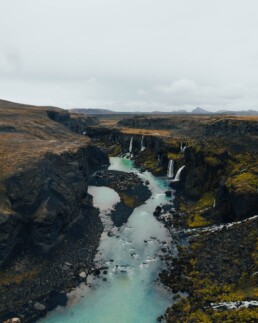
They call it the “Valley of Tears,” but Sigoldugljufur is anything but sad. It’s a stunning spot in the Icelandic Highlands, known for its bunch of waterfalls. The blue waters and greenery add a splash of color that’s just beautiful.
It’s a bit out of the way compared to other places on our list, which means it’s not as crowded. So, you can enjoy its almost magical landscape in peace.
Sigoldugljufur’s pretty unique – it’s a newbie as far as Iceland canyons go. It used to be part of a glacial river before they built a hydroelectric plant nearby. So, you could say it’s a man-made canyon!
Getting to Sigoldugljufur Canyon
Check out this map. Sigoldugljufur’s in the central highlands. You’ll need a four-wheel drive to get there. It’s only open in summer. Start from Hella, hit Road 26 off the Ring Road, and drive about 50 miles (82 kilometers) to F208 Mountain Road. That road will lead you straight to the canyon.
10. Nature's Majestic Chasm: Almannagja Gorge
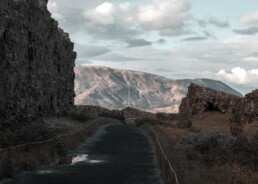
Almannagja is a spot that’s both interesting for its history and its geology, sitting right in Thingvellir National Park. It’s part of the Golden Circle, making it the most visited out of all Iceland canyons.
This canyon isn’t super long, just under a mile, but it’s right on the Mid-Atlantic Ridge. That’s where the North American and Eurasian tectonic plates are slowly moving apart. Seeing this divide up close is something special and a big reason people visit Almannagja.
But it’s not just about rocks and rifts. Almannagja’s got a lot of history too. It was the gathering place for the Althing, the oldest parliament that’s still going. When you’re there, it almost feels like you can hear the old law speakers.
Getting to Almannagja Gorge
It’s pretty easy to get to from Reykjavik, less than an hour’s drive. Just head on Route 36 straight to Thingvellir National Park.
And if you’re thinking of visiting, there are loads of Golden Circle Tours to choose from. Whether you want something thrilling like snowmobiling or something chill like combining it with a trip to the Secret Lagoon, there’s a tour for you.
9. A Serene Natural Escape: Stakkholtsgja Canyon
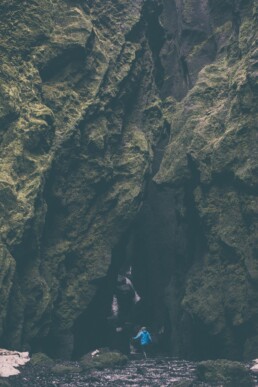
Nestled in the Thorsmork Nature Reserve in South Iceland, there’s a canyon called Stakkholtsgja that’s like something out of a storybook. It’s a bit of a hidden gem and a real treat for adventurers.
The canyon stretches just over a mile and can get as deep as 330 feet (100 meters). With streams winding through it, the whole place has a peaceful, almost magical vibe. Walking between those high cliffs feels like stepping into a fairy tale world.
And then there’s the waterfall – the real star of Stakkholtsgja. Finding it feels like uncovering a hidden treasure at the end of a rewarding journey. It’s hard to put into words, but it’s an experience you won’t forget.
Getting to Stakkholtsgja Canyon
You’ll find Stakkholtsgja in the Thorsmork Nature Reserve, reachable only in summer. You’ll need a four-wheel drive to get there. Head on the F249 Mountain Road off the Ring Road. You’ll come to a river crossing – make sure your vehicle can handle it and that conditions are good. After crossing, keep going towards Thorsmork Valley and look out for the parking area.
8. Hidden Sanctuary: Nauthusagil Ravine
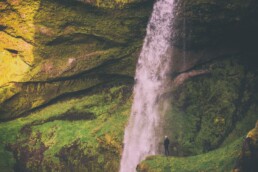
Hidden away under the Eyjafjallajokull glacier volcano, you’ll find Nauthusagil, a narrow but stunning ravine. It’s one of those places you have to see to believe.
Stepping into Nauthusagil is like entering a whole new world. Tall cliffs and lush greenery wrap around you, setting the stage for an adventure. What really stands out is the wild rowan tree clinging to the ridges above.
There’s a little stream running along the canyon floor. You might need to be a bit nimble to cross it, but it’s worth it. At the end of Nauthusagil, you’re rewarded with a beautiful waterfall. It cascades down in a natural funnel in the cliffside, creating a misty wonderland, especially when the sun peeks through from above.
Getting to Nauthusagil Ravine
Nauthusagil is off the F249 Mountain Road, the same one you take to Thorsmork Nature Reserve. If you’re renting a car, just remember: don’t try to go in winter unless you’ve got a four-wheel drive.
7. The Grandeur of Iceland's Rift: Eldgja Canyon
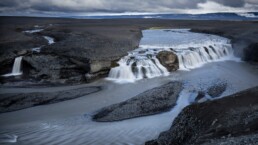
Eldgja, or “Fire Canyon” in Icelandic, is an incredible volcanic canyon in the Highlands. It’s massive, stretching over 25 miles (40 kilometers) and reaching depths of up to 880 feet (250 meters). It’s actually one of the biggest volcanic canyons in the world.
Hiking through Eldgja is a chance to really see Iceland’s wild side. It runs alongside the Lakagigar craters, known for their huge eruptions over the years.
Visiting Eldgja is like stepping back into Iceland’s volcanic history. It’s awe-inspiring to see just how powerful nature can be. Plus, it’s home to Ofaerufoss, a stunning, multi-tiered waterfall that flows right through the volcanic landscape.
Getting to Eldgja Canyon
Eldgja’s up in the highlands, so it’s a summer-only trip. You’ll need a four-wheel drive – the road’s a bit rough, but totally worth it. Start on Route 1, switch to Road 208, and then it turns into the F208 Mountain Road.
Keep on the F208 until you see a sign for Gjatindur, which leads you to Eldgja. Or, if driving’s not your thing, check out this epic 8-hour super jeep tour. It’s a great way to see the sights without the stress of driving.
6. A Hiker’s Paradise: Thakgil Canyon
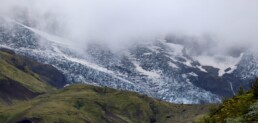
Thakgil is this really picturesque gorge in South Iceland, right near the Myrdalsjokull glacier. It’s full of these jagged rocks that can look like just about anything if you’ve got a bit of imagination.
It’s about 12 miles (20 kilometers) northeast of Vik, and a lot of people say Thakgil’s a bit of a hidden treasure. There’s a nice campground there with all the basic stuff you need. It’s a perfect spot to set up camp if you’re planning to explore the hiking trails around the area.
Thakgil’s surrounded by these tall mountains that give you a bit of a break from the weather. It’s like stepping into another world with soft moss, secret caves, amazing waterfalls at the bottom, and if you climb up a bit, you get these incredible views of the glacier.
Getting to Thakgil Canyon
Thakgil’s about a 40-minute drive from Vik. Just take Road 214 off Route 1, and it’ll lead you right to the campsite. The road’s gravel, so drive carefully, but it’s not too tricky.
5. Nature's Sculpted Beauty: Mulagljufur Canyon
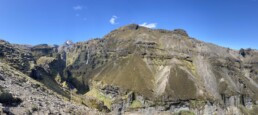
Mulagljufur is this kind of secret canyon at the edge of southeast Iceland. It’s a bit tricky to find since there aren’t any signs pointing the way, but those who’ve stumbled upon it swear it’s a must-see.
It’s a hit with hikers. Mulagljufur has these narrow paths weaving through rugged cliffs blanketed in green moss and wildflowers. The tall cliffs and the peaceful natural surroundings make it a real tranquil spot, away from the usual tourist trails.
The canyon’s got not one, but two amazing highlights: the Hangandifoss and Mulafoss waterfalls. Even though they’re some of the tallest in Iceland, they’re kind of a well-kept secret because of their off-the-beaten-path location.
Getting to Mulagljufur Canyon
It’s a bit of a drive from Reykjavik, about 231 miles (372 kilometers), which takes around 4 hours and 30 minutes. Just head out on the Ring Road, and it’ll get you to the start of the canyon.
4. The Symphony of Water and Stone: Jokulsargljufur Canyon
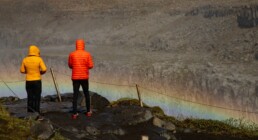
Jokulsargljufur is one of those awe-inspiring canyons you find in Northeast Iceland. Carved out by a glacier-fed river and stretching over 15 miles, it really shows off the incredible force of nature.
The canyon is famous for its waterfalls, especially Dettifoss, which is the second most powerful in Europe. It’s a sight to see with a massive water flow of 1,970 cubic feet (183 cubic meters) and is a real symbol of Iceland.
But there’s more to Jokulsargljufur than just waterfalls. Take Hljodaklettar, for instance. It’s this amazing rock formation made of basalt columns and odd shapes that create weird echoes – that’s why it’s called “Echo Rocks.”
Getting to Jokulsargljufur Canyon
Jokulsargljufur’s up in the north. If you’re in East Iceland, like around Egilsstadir, or in North Iceland, near places like Akureyri, Husavik, or Lake Myvatn, it’s pretty convenient.
Driving the Ring Road? You can reach the canyon by turning onto Road 862 or 864. Or, if you prefer not to drive, check out this guided tour of North Iceland. It includes Dettifoss, Lake Myvatn, and Godafoss – a great way to see the area.
3. The Mythical Canyon: Asbyrgi Canyon
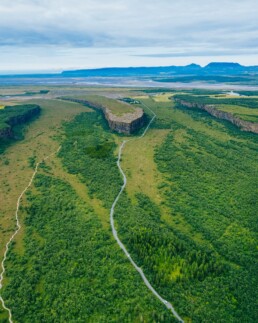
Asbyrgi is a kind of magical canyon in Northeast Iceland, shaped like a huge horseshoe. There’s an old legend that says it was formed by Sleipnir, Odin’s eight-legged horse from Norse mythology. When you see the place, you might start believing in myths too.
The canyon stretches over two miles and is ringed by cliffs towering over 300 feet high. Inside, you’ll find a patchwork of colorful trees – a real treat for anyone who loves nature. And there’s this big rock formation, Eyjan or “The Island,” that splits the canyon almost in half, giving it its unique look.
For the geology buffs, Asbyrgi started forming about eight to ten million years ago, after the last Ice Age. It was probably shaped by massive floods following a volcanic eruption under the Vatnajokull glacier.
There are loads of hiking trails around Asbyrgi, like the one leading to Botnstjorn pond, right in the canyon’s heart. The quietness there, with just the sound of birds and the whisper of the trees, is something special.
Getting to Asbyrgi Canyon
Asbyrgi’s not far from Husavik, just off Road 85, which links up with the Ring Road. It’s part of the Diamond Circle, so there are plenty of tours from North Iceland, like this amazing 9-hour Diamond Circle tour, if you’re up for it.
2. Nature's Carved Marvel: Fjadrargljufur Canyon
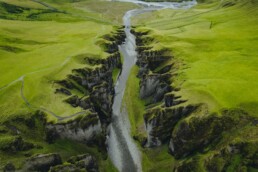
Fjadrargljufur, down in southern Iceland, is a real gem that’s starting to get noticed. The trail there gives you these incredible views in every direction, making it a real hit in Iceland.
This place looks different with its cool shape—steep cliffs, waterfalls everywhere, and these rough rocks making it all interesting. It’s like nature crammed tons of beauty into this tiny 1.2-mile spot.
This canyon got famous thanks to Justin Bieber shooting his “I’ll Show You” music video here. That put it on the map for everyone.
But with all the people coming, they got worried about the plants and stuff. So, they had to shut it down for a bit to let things grow back. Now they want folks to stick to the paths and not mess around on the cliffs.
Getting to Fjadrargljufur Canyon
To get there, just head from Kirkjubaejarklaustur town on Road 206 off the Ring Road. And while you’re around, maybe try cruising on a Glacier Lagoon boat ride—it’s pretty cool.
1.Otherworldly Marvel: Studlagil Canyon
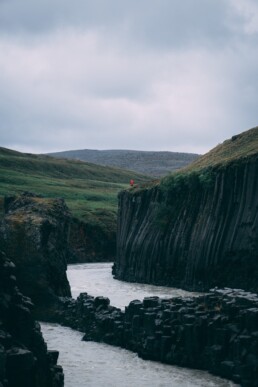
“Is that for real?” is often the reaction when folks see Studlagil in pictures. It’s a real wonder, with its stunning blue-green river and a bunch of basalt rock columns that beat anywhere else in Iceland.
Tucked in East Iceland, Studlagil was shaped by a strong glacial river slicing down from the highlands. Being way out there and hard to reach, it stayed a bit of a secret for a while.
What makes Studlagil special? It’s those basalt columns. Like the ones at Reynisfjara black sand beach, but here, there’s a ton more. When lava cooled down, these columns formed cool patterns, making the canyon walls stand out. Nearby, there’s Studlafoss waterfall, also surrounded by these columns.
That river’s color is wild! It gets that magical hue from melted ice off the nearby glaciers. As it flows through the canyon, it carries tiny bits of dirt and minerals, giving the river this mesmerizing look. There’s this cool 7-hour nature tour that really shows off those colors.
Studlagil feels like someone built a Gothic cathedral on purpose, not just nature doing its thing. The vibrant river against those rough cliffs makes it our top pick for the prettiest Iceland canyon.
Getting to Studlagil Canyon
Getting to Studlagil Canyon’s a bit of a haul—it’s way out in East Iceland, a long way from Reykjavik. You’ll want to drive along the Ring Road and then take Road 923. After a while, you’ll spot the entrance to Jokuldalur Valley. Park your car and take a stroll the rest of the way.
Discovering Lesser-Known Iceland Canyon Treasure
While our top 11 canyons in Iceland are truly breathtaking, there are a few more stunning ones that almost made the cut.
Check these out:
Glymur: It’s Iceland’s second-highest waterfall and comes with a beautiful canyon. Super easy to get to by foot and not far from Reykjavik. No wonder it’s a hotspot for hikers.
Raudfeldsgja Gorge: This one’s a hidden gem on the Snaefellsnes Peninsula. Covered in moss, with narrow cracks and a little waterfall—a recipe for a thrilling adventure.
And then there’s Kolugljufur up in North Iceland. Loads of gorgeous waterfalls in this gorge, even though it’s not that well-known. But once you see it, it sticks with you.
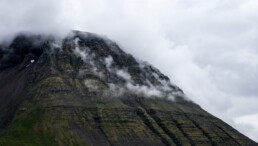
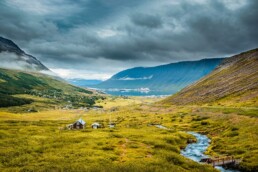
Isafjordur in Iceland sits pretty in Northwest, taking the crown as the largest town in the Westfjords.
If you’re up for a thrilling adventure through Isafjordur’s best and the untouched Westfjords scenery, a four-day tour is the way to go. And hey, if you’ve charted your own course to Isafjordur, don’t miss out on a sightseeing boat trip to Hornstrandir—it’s a total gem.
Known as Ísafjörður in Icelandic, this town wears many hats—it’s not just the unofficial capital of the Westfjords but a bustling hub for services, education, and trade. With around 2,600 locals, it’s a cozy spot boasting breathtaking landscapes, a rich cultural vibe, and heaps of outdoor activities. To make the most of your stay, snag a comfy spot in Isafjordur for accommodations—it’s the perfect launchpad for your Westfjords exploration!
Isafjordur takes the crown as the largest town in the Westfjords. It’s a go-to spot for many travelers exploring this secluded area. You know why? Because it’s a treasure trove of local services—hotels, restaurants, groceries, and bars—all conveniently in one place.
Now, picture this: Isafjordur cozily rests along the Skutulsfjordur fjord, part of the sprawling Isafjardardjup fjord. And let me tell you, it’s like a hidden gem in the Icelandic Westfjords! With mountains hugging the town and those crystal-clear waters of the fjord reflecting the beauty around, it’s no wonder visitors flock here from all corners of the world!
Is Isafjordur in Iceland Worth a Visit?
Isafjordur in Iceland takes the crown as the largest town in the Westfjords. It’s a go-to spot for many travelers exploring this secluded area. You know why? Because it’s a treasure trove of local services—hotels, restaurants, groceries, and bars—all conveniently in one place.
Now, picture this: Isafjordur cozily rests along the Skutulsfjordur fjord, part of the sprawling Isafjardardjup fjord. And let me tell you, it’s like a hidden gem in the Icelandic Westfjords! With mountains hugging the town and those crystal-clear waters of the fjord reflecting the beauty around, it’s no wonder visitors flock here from all corners of the world!
Back in the 16th century, Isafjordur was a big deal for trade and fishing, all thanks to its prime coastal spot and natural harbor. And guess what? Seafood still rules the local food scene, with one of Iceland’s finest seafood spots calling this town home sweet home.
Step into Isafjordur’s Old Town, and you’re stepping back in time to the 18th century. Those vibrant, historic buildings—once bustling with trade, bustling homes, and busy storehouses—now stand as living remnants of the town’s history. It’s not just a stroll; it’s a picturesque journey through the town’s past!
Unveiling Isafjordur in Iceland: Historical Tapestry
In the sagas of Iceland, tales abound about Skutulsfjordur fjord, where Helgi Magri Hrolfsson planted the first seeds of settlement way back in the 9th century. Skip to the 16th century, and Isafjordur was hustling, transforming into a bustling trading hub before proudly earning its town badge in 1786.
Back in the day, Isafjordur was this big fishery powerhouse in Iceland. It was the heart of it all, reeling in abundant catches. But as fish numbers dropped and Reykjavik’s big fishing companies cast their shadows, Isafjordur’s population took a hit.
Good news came riding in on the tourism wave! It brought fresh gigs and some economic cheer to town. Visitors now have a spread of hotels and cozy hostels to pick from. And hey, tour operators are revving up, ready to take you on wild Westfjords adventures, by land or sea.
Adventures to Experience in Isafjordur in Iceland
Exploring Isafjordur in Iceland beyond the Old Town and the harbor uncovers a rich cultural tapestry woven into its museums, galleries, and year-round events.
The Westfjords Heritage Museum is like a time capsule telling the story of this region’s history and cultural essence. It’s set in one of Iceland’s oldest structures, nestled in the Nedstikaupstadur area, showcasing the 18th-century timber frame houses crafted by foreign traders—a real piece of history.
Then there’s the Culture House housed in the old hospital building, catching your eye with its striking architecture. Even if you don’t venture inside, the building itself is a sight. On the lower floor, the town’s library awaits, while upstairs holds a captivating display of old hospital relics—a mix of intriguing artifacts like a bone-chilling hacksaw and newborn weighing scales that paint a vivid picture of the past.
To get a glimpse into Icelandic daily life, swing by the Museum of Everyday Life, or Hversdagssafn/Hvers Museum. It’s a treasure trove of regular stuff made remarkable, showcasing everyday objects in a whole new light.
If you’re in Isafjordur during Easter, don’t miss the “Aldrei for eg sudur” festival. It’s a cool, free-for-all music fest spotlighting local Icelandic talents—perfect for discovering some fresh tunes.
There are more annual shindigs like Ski Week and the European Championship of Swamp Soccer. Ski Week, happening around Easter, is all about skiing and outdoor fun. Then there’s the Swamp Soccer championship in August—an amateur soccer match in the mud, with parties that stretch into the night.
Exploring Isafjordur: Iceland's Great Outdoors
Isafjordur’s natural beauty is like a playground for folks wanting outdoor fun. You’ve got skiing, hiking, and kayaking right at your fingertips.
Those mountains? They’re not just for show; they’re a skiing haven! The ski club here welcomes everyone—locals and travelers—for some epic skiing and snowboarding, whether you’re into downhill or cross-country action.
And if water’s your thing, kayaking in these parts is unbeatable. Gliding through the Westfjords gives you front-row seats to stunning mountain vistas and a chance to spot seals and lively seabirds. It’s an adventure you won’t forget!
Oh, bird lovers are in for a treat! The Westfjords, including Isafjordur, are like a paradise for these feathery friends—guillemots, Arctic terns, and the oh-so-charming Atlantic puffins are regulars in this remote area. Vigur Island, just off Isafjordur, is especially famous for its bustling bird colonies. A kayak and wildlife tour to Vigur is your golden ticket to seeing these incredible flocks in action.
Now, for the adventurers hungry for nature, Isafjordur serves as the gateway to Hornstrandir Nature Reserve. This gem is one of Iceland’s best-kept secrets—a spot where Arctic foxes roam freely, boasting over 250 plant species. If wildlife’s your thing, this place is an absolute must-visit.
The catch? It’s not a drive-up kind of spot. You’ll need a boat from Isafjordur to Hornvik or another reserve area to hit those trails and campgrounds. Overnight camping’s the way to soak it all in, but if time’s tight, there are guided day hikes too.
Getting to Isafjordur in Iceland: Travel Tips and Routes
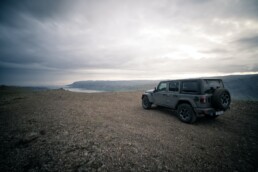
Isafjordur in Iceland is a bit of a trek to reach, given its remote spot, but trust me, it’s totally worth the trip.
The smoothest way in? Catch a flight from Reykjavik’s domestic airport straight to the local airstrip in Isafjordur. Easy peasy.
Now, if you’re up for a bit of an adventure, there’s always the road trip route! Kick off from Reykjavik, heading north on the Ring Road, then hang a turn onto Route 60. That drive spans about 260 miles (420 kilometers), but man, those views along the way? Stunning.
A little heads up though—the Westfjords and Isafjordur are all tundra vibes. That means winter’s seriously cold, and ice is par for the course.
During the chillier months, those roads in the Westfjords? Mostly unpaved and often snow-covered. For a smoother ride and a better chance to explore, plan your visit in the summer. Even then, consider rolling with an organized tour to make the most of your trip.
Exploring Hidden Gems: Unmissable Places in the Westfjords
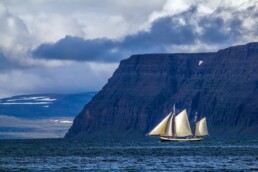
Isafjordur in Iceland, nestled in the Westfjords, is your gateway to some of the most breathtaking natural wonders in the region. There’s a wealth of beauty just waiting to be explored, and you don’t want to miss these fantastic sites that are easily accessible from Isafjordur.
Unveiling Dynjandi: Iceland's Breathtaking Waterfall Marvel
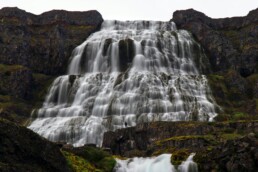
Have you heard of the majestic Dynjandi? It’s often dubbed as “the gem of the Westfjords” for a good reason. These falls are like nature’s grand spectacle, located just about 35 miles (60 kilometers) west of Isafjordur in Iceland, perfect for a day trip.
Imagine this: a cascade about 98 feet (30 meters) wide up top, doubling in width as it descends to about 330 feet (100 meters) below. It’s not just a waterfall; it’s a magnificent display of nature’s artistry, easily ranking among Iceland’s most stunning waterfalls.
Latrabjarg Sea Cliffs: A Birdwatcher's Paradise
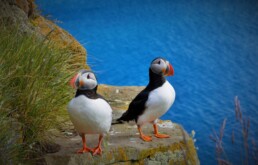
The Latrabjarg sea cliffs? Picture this: a bird extravaganza at the edge of Iceland! Come summer, it’s like a bustling metropolis for over five million seabirds, making it a real hotspot for bird lovers.
You’ve got Arctic terns, guillemots, eider ducks, razorbills… but the true stars of the show? The Atlantic puffins! These protected, friendly fellas turn up in droves, posing for photos like they’re pros. It’s like they’ve got their own little community going on.
Sure, it’s a haul to get there – about 113 miles (180 kilometers) from Isafjordur, right on the western tip of the Westfjords. But let me tell you, the trek is absolutely worth it when you’re met with this incredible, feathery spectacle.
Raudisandur Beach: The Golden Sandy Stretch of the Westfjords
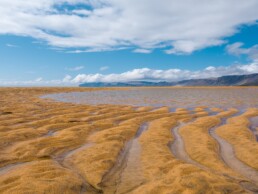
Not your typical volcanic ash-laden beach, Raudisandur surprises visitors with its striking red and gold sands. Here’s the scoop: While most Icelandic beaches flaunt that jet-black volcanic look, Raudisandur struts a unique color palette thanks to its non-volcanic origins.
The beach’s sands don’t owe their hues to volcanic eruptions; they’re crafted from regular rocks, creating an almost tropical vibe against the Westfjords backdrop.
Tucked about 90 miles (150 kilometers) away from Isafjordur in Iceland and nestled close to the Latrabjarg cliffs, this spot offers more than just sandy bliss. It’s a hotspot for birdwatching, treating you to seabird sightings and playful seal antics—a paradise for nature lovers.
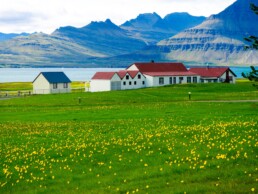
Iceland in May: Budget Traveler's Choice
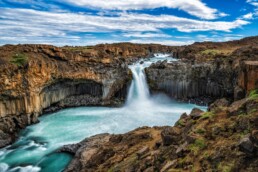
Iceland in May? It’s like the country’s hitting the switch from winter to summer. Days stretch longer, tours start buzzing, and there’s a whole smorgasbord of adventures to dive into. From the famous Blue Lagoon to riding horses through Iceland’s epic wilderness – May’s got it all.
For the ultimate freedom to explore this land of extremes, grab a ride from Iceland’s biggest car rental hub. It’s your golden ticket to roam around and soak up every bit of this stunning country. Want to know more about Iceland’s spring scene? Get the scoop right here.
Is it Worth it to Visit Iceland in May?
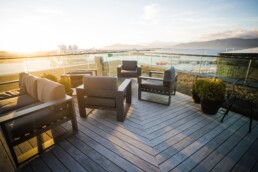
May’s a smart move for an Iceland trip. Wallet-friendly, longer days, and the weather’s playing nice. Since the crazy summer hustle hasn’t started, May flights to Iceland often come with a friendlier price tag.
Finding a sweet spot to crash? Piece of cake. Luxury hotel or cozy cottage vibes in Iceland’s nature, you’ve got options galore across the country.
How’s the Weather in Iceland in May?
Let’s talk weather. May’s like a weather rollercoaster in Iceland. Winter’s fading, hello more sunny days! But hold onto those layers, temperatures swing from 2°C (36°F) to 11°C (53°F).
Here’s the trick: timing’s key. Early May? Chillin’ around 2°C (36°F) with a good 18 hours of daylight. Late May? Warming up at 11°C (53°F) with a solid 20 hours of daylight. Pack savvy depending on when you’re making the trip!
Iceland in May– snowy or not?
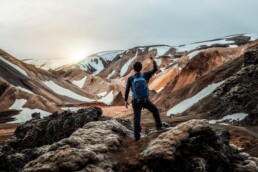
Well, snow’s usually taking a break by then, but hey, it’s Iceland – expect the unexpected. May often means no more snow, but those mountain peaks might still wear a snowy hat, perfect for some high-altitude fun.
Iceland in May: Daylight Hours
Daylight’s the star. Early May kicks off around 5 AM and calls it a day by 10 PM. Come late May, sunrise is at a crazy 3:30 AM and sunset at 11:30 PM. Translation? Only a blink of darkness. Sadly, no northern lights gig in May – blame the never-ending twilight.
Iceland in May: Midnight Sun
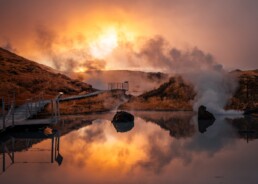
But wait for it! May’s a slow build-up. With more daylight hours, late May inches you closer to catching Iceland’s legendary midnight sun. It’s a wait that’s totally worth it!
May’s a gem for capturing Iceland’s beauty. Longer sunny days, clearer skies, and fewer tourists—it’s a photographer’s dream.
Wardrobe Staples for a Trip in Iceland in May

Now, let’s chat clothes. Iceland’s May weather? Unpredictable. Pack a mix: warm, waterproof stuff, plus some lighter layers. Gotta be ready for whatever nature throws your way.
Wondering what to toss in your bag? Here’s the lowdown:
Waterproof, windproof jacket
Tough hiking boots
Layer up with fleece and such
Stock up on socks
Don’t skip scarves, hats, gloves
Sunnies – essential!
Swimsuits, just in case
And of course, a trusty cap
Oh, quick tip: Reykjavik tends to be a bit warmer than the rest of Iceland. So, if you’re city-bound, you might not need all the heavy winter gear.
Top Must-do Activities in Iceland in May
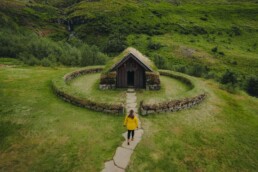
Picture this: whale watching, snorkeling, scuba diving, ATV escapades, horseback journeys, lava exploration, glacier hikes, mountain biking, and endless sightseeing.
With longer daylight hours, Iceland becomes an adventure paradise in May! And that’s not all –Iceland in May means diving into a bunch of cool festivals and holidays. Music fanatics? Hit up RAFLOST – the Icelandic Festival of Electronic Arts. For the animal lovers, celebrate the International Day of the Icelandic Horse.
Curious to know more about what’s hot and happening in Iceland in May? Keep reading for the lowdown!
Dipping Adventures in Iceland in May
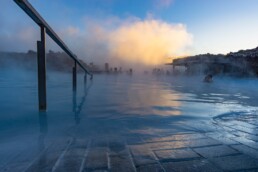
In Iceland, hot springs are the superstar summer hangouts. They’re not just about a relaxing dip – these geothermal pools are absolute stunners.
Forget about winter hunts for hot springs in freezing weather. Iceland in May is a game-changer – the weather’s way kinder.
All over the country, you’ll find top-notch geothermal spas decked out with fancy facilities and lavish treatments.
Now, here’s the thing: these hot springs can play hide-and-seek amidst the landscape. It’s like a treasure hunt! Make sure to scope out their locations before you head out.
Keep this in mind: some natural hot springs are on private property. You might need a nod from the landowner for a soak. Local tips are gold here! Chat up the locals or hop on a hot springs tour. They’ll lead you to the gems and ensure you don’t wander off the map.
If you’re up for some pampering, Iceland’s got a bunch of swanky swimming pools waiting for you. Get this – Reykjavik’s packing over 17 public swimming pools alone!
But these pools? Way more than your average swim spot. Saunas, steam rooms, hot tubs – they’re basically relaxation central. Perfect for kicking that jet lag to the curb and starting your holiday right.
Now, if you’re eyeing the primo pool hangout for visitors, Laugardalslaug in Reykjavik’s your spot. Geothermal hot tubs? Check. Water slides? Check. Steam room, sauna, gym right next door, Olympic-sized swimming pool, and a kids’ play area? Check, check, and check! Oh, and a shallow, heated pool? Perfect for stretching out and soaking up that sunshine. And guess what? The water slide? No age limits – because, hey, you’re never too old for a slide!
Quick heads-up: local pool rules are a thing. In Iceland, it’s the norm to shower in your birthday suit before taking a plunge. It’s all about keeping things squeaky clean and bacteria-free.
Underwater Wonders in the Waters of Iceland in May
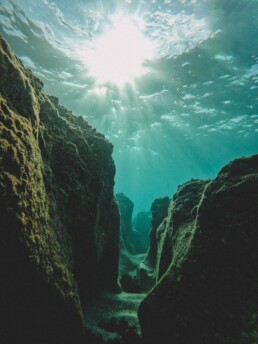
May’s your ticket to snorkel or dive in Iceland. Let me tell you about a gem: Thingvellir National Park, just a hop, skip, and a jump (about 29.5 miles) east of the capital. It houses one of the planet’s top spots for diving and snorkeling: the Silfra fissure glacial gorge.
Now, this place? Unreal! Crystal-clear water from Langjokull glacier travels through the underground Mid-Atlantic Ridge for about 50 years, ending up in the Silfra fissure. And get this – the current’s a breeze, making it a piece of cake to swim in.
But hey, there are a few things to keep in mind for these snorkeling and diving jaunts at Silfra:
Age: Over 16 years old
Height: Minimum 5 feet (150 centimeters)
Weight: At least 100 pounds (45 kilograms)
Gotta be in good shape, swim like a champ, and, oh, not expecting a little one!
Now, diving into Silfra fissure? It’s got a few more rules:
You’ve gotta be a certified PADI open-water diver and show proof of dry suit diving in the last 2 years. Oh, and minimum age is 17 – if you’re under 18, a consent slip from your guardian’s a must. Plus, you’ll need to sign off on some liability and medical forms before making a splash.
And hey, let’s talk about Thingvellir National Park – it’s a big deal for Icelanders, for a couple of reasons.
First off, it’s the OG spot for one of the world’s first parliaments, the Althingi. Yeah, that’s where it all started over 1,000 years ago. Today, you can stroll right up to where these history-making gatherings went down.
But wait, there’s more! The park’s geology’s a showstopper. You know why? ‘Cause it’s one of the rare spots where you can eyeball both the North American and Eurasian tectonic plates chilling together. Pretty cool, huh?
Now, some scuba diving pros venture to other hotspots too. Ever heard of Davidsgja (David’s Gorge)? It’s like Silfra’s edgier sibling – deeper and darker, nestled in Thingvallavatn. Then there’s Strytan, the sunken WWII “El Grillo” Cricket ship, and the river Litlaa.
But hey, here’s the scoop: each spot’s got its own rules. And here’s the kicker – diving or snorkeling might be on the table only at specific times of the year. Best bet? Hit up the dive crew directly. They’ll spill the beans on what’s cooking during your visit and what you’ll need for these different dives.
Hiking Trails of Iceland in May
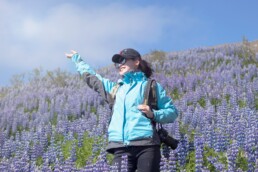
Hiking? Oh yeah, that’s the way to soak up Iceland’s vibe. I mean, picture this: wandering through meadows, checking out valleys, following streams, and chasing waterfalls – that’s what makes this place so special.
Now, if you’re kickstarting your hiking adventure from the capital, Mt. Esja’s your neighbor – a solid choice. It’s like this awesome overlook, standing tall at 0.57 miles (914 meters). Wanna know the stars of the show there? Thverfellshorn at 0.48 miles (780 meters) and Kerholakambur at 0.53 miles (851 meters) – super popular trails!
Here’s the lowdown: the hike’s split into 4 sections, and let me tell you, it gets real as you climb. But oh boy, the reward? A killer view of Reykjavik and the Reykjanes Peninsula for those who make it to the top.
But hey, if planning’s not your jam, no sweat! Joining a guided hiking tour takes all that hassle out of the equation.
Oh, and a quick tip: Iceland in May is kinder, but weather’s still a wild card. Layer up, my friend. Better safe than soggy when you’re out there hiking in the great outdoors!
Glacier Marvels in Iceland in May
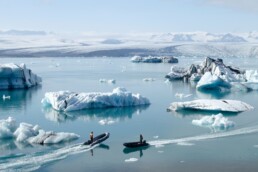
Iceland’s a glacier wonderland – seriously, over 11% of the place is ice. So, when you’re cruising around in May, why not swing by these icy giants?
Now, picture this: hiking, but on glaciers! Getting up close to these massive frozen marvels. It’s the kind of adventure that’ll make your trip legendary.
But here’s the catch – trekking the glaciers solo? Nope, not a good idea. Opt for a guided glacier hike. These guides? They’re like icy superheroes, trained to keep you safe and show you the coolest spots.
They’ll sort you out with all the gear – helmets, snowshoes, trekking poles, crampons – you name it. Your job? Bundle up, layer up, and don’t forget that camera! Glacier hiking, here we come!
Exploring Snowy Terrain on Snowmobile Tours
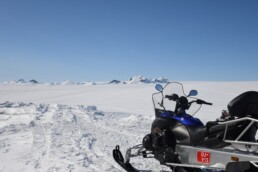
Alright, thrill-seekers, listen up! If you’re itching to explore Iceland’s glaciers with an extra adrenaline kick, a glacier snowmobile trip is the way to roll. Picture this: zooming across Langjokull glacier in the west – it’s the second-largest glacier in Iceland, serving up killer views of ice valleys and the majestic Eiriksjokull mountain in the distance.
Just like booking a glacier hike, when you sign up for a glacier snowmobile tour, they’ve got your back with all the gear and a savvy guide to lead the way. But here’s your cue: pack in warm, waterproof gear, and definitely don’t forget that action camera! It’s time for some epic snowmobiling fun!
Reeling Relaxation: Fishing in Iceland in May
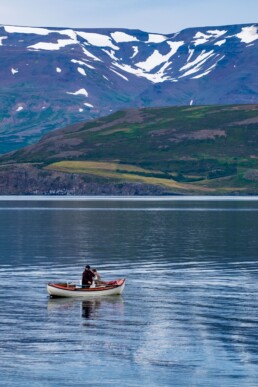
Iceland in May is like hitting the sweet spot for fishing. It’s the kickoff to the fishing season, and boy, does it promise some good catches!
Now, here’s the scoop – Iceland’s got top-notch river fishing, and hey, don’t forget about the ocean! But here’s the deal – all fishing spots here are private, and the fishing times? Well, they’re set by the landowners. They like giving those fish some peace and quiet, keeping things sustainable and protecting the land from getting trampled by hordes of anglers.
My advice? Book a guided fishing tour ahead of time. These angling pros? They’re the real MVPs. They know all the secret spots, the tricks of the trade, and most importantly, the rules and regs you gotta stick to.
Here’s a heads-up though – the fishing flavor you’re after will decide when you should plan your trip. Brown trout? They’re on the menu from April to October. That’s when the rivers open up for us regular folks.
Salmon’s in the mix during that time too, but hey, if you’re eyeing arctic char, you’ll have to wait till June.
Oh, and a quick note: Iceland takes its fishing laws seriously. Like, really seriously. No bringing gear from outside unless it’s squeaky clean and certified germ-free. And organic live bait? Nope, that’s a no-go.
Before you reel in your plans, make sure to do your homework on fishing in Iceland. Trust me, it’s worth it!
Saddling Up in Iceland in May
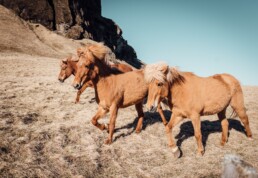
Horse riding, anyone? Iceland’s got these tours year-round, but let me tell you, May’s the time when the weather’s just right – not too chilly, not too hot. Plus, bonus points: you get to hang out with those famous Icelandic horses!
Now, these horses? They’re the real deal, dating back to the 9th century when Iceland was just getting settled. They might be smaller than some breeds, but man, they’ve got charm! Known for being friendly, reliable, super strong, and brainy too. Oh, and they’re total pros with us visitors, so even if you’re new to riding, you’ll be in safe hooves!
Once you get the lowdown on the riding basics, it’s time to saddle up and hit the Icelandic wilds. Picture this – cruising through serene farmland, gentle rivers, and just soaking in that countryside vibe.
And hey, if you’re into legends and history, these horses are basically celebrities in Icelandic folklore and Norse myths. Like, ever heard of Sleipnir, Odin’s eight-legged wonder horse? Some stories even say his hoof created the epic Asbyrgi Canyon in North Iceland! Now, that’s one heck of a horse tale!
Lava Caves Exploration in Iceland in May
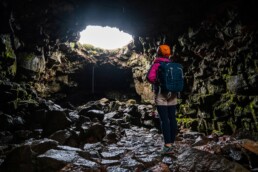
May’s the ticket for diving into Iceland’s underground marvels with lava caving tours.
Imagine this: you’re surrounded by these vibrant red, orange, and purple rock formations, stepping into Iceland’s geological past. It’s like touching history, feeling the ancient lava flows transformed into fossilized wonders. And hey, where else can you learn about how Iceland got its volcanic groove?
Most of these lava caves are pretty accessible, especially if you’re up for a little adventure. But hey, fair warning – there might be some spots where you’ll need to bend, crawl, or clamber a bit. If tight spaces or darkness make you squirm, it might not be your thing.
Whale Wonders and Feathered Friends: Water Delights in Iceland in May
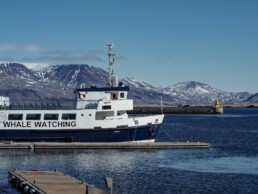
May is prime time for those awesome whale-watching tours in Iceland. Picture this: you’re on a boat, the sun’s shining, and you’re keeping an eye out for these majestic sea creatures – a perfect day on the water!
Iceland’s shores are buzzing with sea life – killer whales, harbor porpoises, short-beaked dolphins, sperm whales, humpback whales, and even those huge blue whales pass by occasionally.
And guess what? You’re practically guaranteed to spot at least one of these incredible creatures. Look out for those playful minke whales and the lively dolphin pods – they’re the regulars!
From breaching minke whales to playful dolphins, there’s a good chance you’ll catch sight of these beauties during your trip. It’s a sea full of wonders out there!
Whale-watching boats in Iceland are all kitted out with the latest radar gizmos and are always in touch with each other. That means you’ve got the best shot at spotting these magnificent creatures.
For the top spots, check out Reykjavik in Faxafloi Bay, the ultimate whale-watching hub in Husavik – known as Europe’s go-to spot, and the lively “Capital of the North,” Akureyri. Each place gives you a different view and a chance to spot Iceland’s diverse whale crew.
And hey, if you’re into birds, get ready for a treat! Those cliffside nests and birds swooping around in search of fish? Bird lovers, you’re in for an absolute blast!
Tours to Spot Puffins in Iceland in May
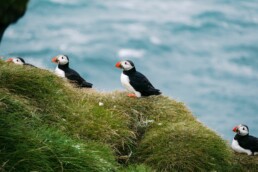
Iceland’s got the biggest puffin crew worldwide, chilling on the coasts during summer. These cute ‘clowns of the sea’ start their puffin parties in April, so May’s your golden ticket for spotting them.
Dyrholaey peninsula, part of those self-drive tours along the South Coast or the Ring Road, is a top spot for puffin sightings.
Now, if you’re up for another puffin spectacle, head west to the wild Westfjords. Way out in Iceland’s wild frontier (and Europe’s edge!), you’ll find Latrabjarg, the puffin central.
Latrabjarg isn’t just about puffins; it’s a hub for various bird species. But, hey, be mindful—it’s cliffside turf, so take care while exploring!
You’ve got quite a few tours that dish out a two-for-one deal—puffin peeping and whale watching. Like the Whale Watching & Puffin Island Boat Tour in Husavik. And hey, all around Iceland, tours line up to introduce you to these charming birds. If you’re in Reykjavik, that puffin-watching gig? It’s a blast for animal enthusiasts and families!
Chasing the Northern Lights in Iceland in May
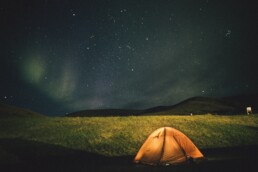
When you’re in Iceland in May, one thing you won’t catch is the northern lights.
The spectacular aurora borealis is quite a sight, but during this time, clear nights and the right solar activity for the show are pretty scarce. With the nights being super short or sometimes practically nonexistent, spotting those magical lights in May isn’t in the cards.
Yet, witnessing the sun painting the sky pink and purple at midnight is its own special marvel that almost compensates for missing the aurora!
Reykjavik's Marvels: Top Activities in the Capital of Iceland in May
Reykjavik is the perfect home base for your Icelandic escapades. There’s a bunch of hotels and loads of tours that start right from the city. And because Reykjavik isn’t too big, walking around, especially in May, when the weather’s more agreeable, is a breeze.
Let me share some local favorites for things to dive into around Reykjavik during your May jaunt.
Golden Circle Fun from Reykjavik in May
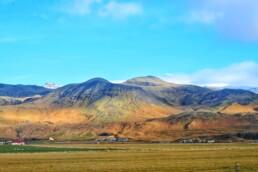
Iceland in May is a quieter time before the big summer hustle starts. It’s prime for booking tours without the worry of huge crowds. The Golden Circle tops Iceland’s must-see list, and from Reykjavik, there’s no shortage of trips showing off some jaw-dropping sights.
Buzz-Worthy Geothermal Spas in Reykjavik in May
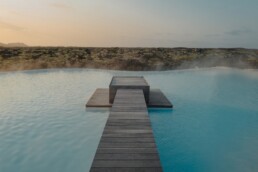
Near Reykjavik, May’s the time when those geothermal spas start to buzz. Imagine soaking in these natural hot springs while taking in Iceland’s breathtaking views. Places like Sky Lagoon, Blue Lagoon, and the new Hvammsvik Hot Springs are the hotspots (literally!) you shouldn’t miss. Plus, they’re just a short drive from Reykjavik.
And if you’re not feeling the hot springs vibe, Reykjavik’s public pools are also a hit. They’ve got it all—steam rooms, saunas, and more hot tubs than you can shake a towel at.
Foodie Adventures in Reykjavik in May

Have you heard about the Reykjavik Food Tour? It’s like a crash course in Iceland’s flavors and history. You get to munch on ten local dishes while a guide takes you on a tasty tour around the city. Sounds like a belly-pleasing adventure!
Best Spots to Crash in Reykjavik in May
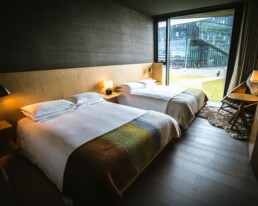
When it comes to Reykjavik stays, you’re spoilt for choice with over 600 hotels! If you’re watching those kronas, consider cozying up at Skuggi Hotel or the Center Hotel on Laugavegur street. Both are comfy, budget-friendly joints right in Reykjavik’s beating heart, so you’ve got food, fun, and convenience at your fingertips.
Now, if you’re feeling like treating yourself, Sand Hotel’s boutique vibes offer that touch of luxury you’re after.
May’s the golden time to snag great hotel deals before the summer rush hits!
Roadtrip in Iceland in May
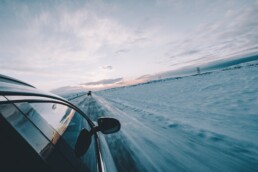
Iceland in May is the golden hour for road tripping. You’ll have the freedom to roam this stunning country with just a tiny chance of running into snow up north. It’s your ticket to a tailor-made adventure, giving you all the time and flexibility to soak up every bit of Iceland’s magic.
Rental Options in Iceland in May
Renting a car in Iceland in May? Totally a great call! You’ve got a bunch of rental options available through Iceland’s major car rental hub. If you’re eyeing those wide-open roads and planning to venture off the beaten track, go for a sturdy four-wheel-drive ride like an SUV or a mini truck. That way, you’re all set for any terrain and can pack in everything you need for the trip!
Is Ring Road Roadtrip Doable in Iceland in May?
May’s the sweet spot for cruising Iceland without any ice on the roads. The Ring Road, a giant 828-mile (1,332 kilometers) loop around the country, is like your all-in-one pass to soak in Iceland’s diverse scenes on a road trip. It’s a smooth ride, mostly a single lane, with barely any traffic, letting you hit almost all the hotspots—except the Westfjords and Snaefellsnes peninsula.
Is Golden Circle Roadtrip Doable in Iceland in May?
Driving to the Golden Circle of Iceland in May? Piece of cake. Whether you prefer DIY road tripping or hopping on tours, getting there’s easy. This famous circuit spans about 186 miles (300 kilometers), showcasing three incredible places: Geysir Geothermal Area, Gullfoss Waterfall, and Thingvellir National Park.
May’s got the perfect vibe for exploring these awesome spots with longer daylight hours. It means you can soak up every bit of these places without getting caught up in the summer rush.
While joining a tour to the Golden Circle is awesome, there’s something liberating about driving it yourself. So, consider giving yourself that freedom when planning your trip.
For the lowdown on driving here – from parking tips to road rules and staying safe on the road – check out our ultimate guide to driving in Iceland. It’s got all the info you need to cruise around like a pro.
Highlight Celebrations in Iceland in May

If you’re heading to Iceland in May, there’s more going on than just the breathtaking scenery. This month comes with its own lineup of cool festivals celebrating music, art, history, and even the iconic Icelandic horse.
Ascension Day: Christian Celebration
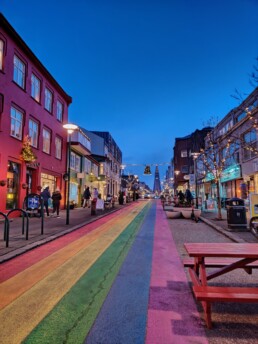
This old-school Christian celebration, 40 days after Easter, marks Jesus’ ascension to heaven.
In Iceland, Ascension Day is a public holiday. Kids get the day off from school, and most folks take a breather. Families chill together and indulge in some classic Icelandic dishes.
For those intrigued by religious vibes or stunning architecture, it’s a great chance to check out some of Iceland’s famous churches.
Famous Churches in Reykjavik
You’ve got the modern Hallgrimskirkja, a real standout.
Then there’s the Frikirkjan in Reykjavik, rocking its green roof since 1899 by the city pond, Tjornin.
The Landakotskirkja, known as Basilika Krists Konungs (The Basilica of Christ the King), holds the title for the main Catholic Church of Iceland.
Don’t forget Akureyrarkirkja, the Lutheran Church of Akureyri, with its distinct boxy steeples and that grand clock face.
Out on the Snaefellsnes peninsula sits the impressive black church of Budir, a must-see amidst the stunning landscape.
RAFLOST: Celebrating Icelan’ds Electronic Arts

For the last decade, RAFLOST has been the go-to bash for electronic wizards—think computers, dance, music, games, and even some poetry thrown in! This festival’s a big deal, drawing artists from every corner of the globe who want to dive into this super unique, artistic scene.
Every May, Reykjavik hosts RAFLOST. They team up with big shots like the Ministry of Education, Science, and Culture, plus the Icelandic Academy of Arts, to create this epic showcase for all things electronic art.
This gig has seen some real stars of electronic music like Morton Subotnick, Todor Todoroff, and Mikael Fernstrom blow everyone’s minds with their sets. It’s a wild ride, for sure!
Celebrating the Majestic Icelandic Horse
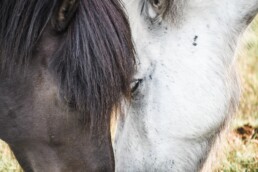
The International Day of the Icelandic Horse was born from a cool collab between the Icelandic Equestrian Association and the Horses of Iceland marketing gig.
Now, the Icelandic horse is a real gem—been trotting around Iceland since the 9th century, back when the Viking squad settled in.
This breed’s a big deal in Iceland. They’re super protective of these horses—like, they’re the only kind allowed in the country. No outsiders, you know?
On this day, it’s all about bonding with these majestic creatures. Even if you’re in Reykjavik, you can hop on this 2.5-hour Horse Riding Tour of the Volcanic Raudholar Countryside. It’s a way to get a feel for these beauties without venturing too far out.
It’s basically a big community thing—stables open their doors across Iceland. Folks bring their families and pals to get up close with these Icelandic horses. Cool, right?
May First: Honoring Work and Solidarity
Falling on the same day as the International Day of the Icelandic Horse, May 1 is a public holiday. Many know it as ‘Labor Day,’ but in Iceland, it’s most often called “May First” (Fyrsti maí) as the day has become synonymous with labor.
May Day in Iceland has become an unofficial day of protest in Iceland. Many carry banners and signs to the streets, making their demands and concerns clear.
The first protest on May 1 in Iceland’s history was in 1923, making it a 100-year-old tradition in 2023.
Although there isn’t a unified subject, many Icelanders argue for higher wages, shorter work days and workweeks, and flexible office hours.
In previous years, protesters have gathered together at Hlemmur Bus Station before marching down the main street in downtown Reykjavik, Laugavegur. Finally, the procession ends at Austurvollur Square by the Parliament of Iceland (pictured above), where some speeches are held, and cakes and coffees are supplied by representatives of Iceland’s trade unions.
How to Choose the Best Time to Visit Iceland: April, May, or June?
May is a great time for travelers looking to explore Iceland without dealing with huge crowds. It’s not the peak of the midnight sun, but it’s easier on the wallet and offers a lot to do. Just a heads up, if hiking in the Icelandic Highlands is your thing, it’s a no-go until June. Iceland’s National Day happens in June, so that might sway your decision based on what you’re into.
May’s your ticket for getting the most out of your money, but if catching those northern lights is your aim, April’s the month to aim for. The weather perks up in May, and many roads start opening up, which means countrywide road trips become doable again.
Are you considering a to visit Iceland in May? Any specific spots or experiences on your radar?
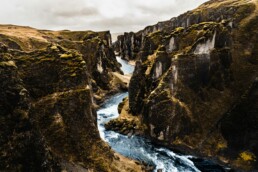
Fjaðrárgljúfur canyon: A fairy-tale spot
Nestled in Iceland’s southeast is the enchanting Fjaðrárgljúfur Canyon, stretching over 2 km with a 100-meter depth. This fairy-tale spot, with a meandering stream, is not just a picturesque sight; it’s a journey back in time.
Carved by a glacial river during the ice age, today it’s a lush oasis, boasting vibrant vegetation. Its fame skyrocketed after featuring in Justin Bieber‘s video, “I’ll Show You.”
The canyon’s ancient tuff walls, about 2 million years old, add to its mystique. Here, nature tells its own spellbinding story, blending history with breathtaking beauty.
Unraveling the Formation of Fjaðrárgljúfur
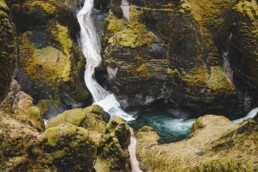
You know, Fjaðrárgljúfur Canyon’s story is pretty fascinating. It’s like it stepped right out of the Ice Age, about 9,000 years back. Imagine a massive glacier retreating and leaving behind this beautiful lagoon. That’s the start of our canyon’s tale.
As the lagoon’s waters found their way, they began to flow over the land. This wasn’t just water; it was like a sculptor, carrying rocks and bits from the glacier, slowly but surely carving the landscape. It’s like the stream had a mind of its own, digging into the earth, creating the canyon we now gaze at in awe. Fjaðrárgljúfur isn’t just a place; it’s a piece of history that tells a story about the earth’s past. How cool is that?
Where to Witness Fjaðrárgljúfur
It’s nestled in Skaftárhreppur County, right in the heart of Iceland’s southeastern region. If you’re coming from Reykjavík, gear up for a bit of a road trip – it’s about 248 kilometers away. That’s roughly a 3-hour and 10-minute drive, but hey, that’s without any pit stops along the way.
And if you find yourself in Kirkjubæjarklaustur, you’re super close – just a 20-minute drive. We’re talking a mere 11.9 kilometers away. Want to punch it into your GPS? The coordinates are 63.7713° N, 18.1718° W. Trust me, the journey is as awesome as the destination. The landscapes you’ll see along the way? Absolutely breathtaking!
Navigating Your Journey to Fjaðrárgljúfur
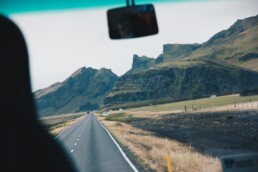
Let me break it down for you about getting to Fjaðrárgljúfur Canyon. If you’re cruising along Ring Road 1 in a counterclockwise loop, keep your eyes peeled for the turnoff to the canyon. It’s cleverly tucked in about 20 minutes before you reach the charming little town of Kirkjubæjarklaustur. Look for the sign that says Road Nr. 206, aka Holtsvegur. That’s your golden ticket! From there, you’ve got a short and sweet drive of about 3 km (that’s around 1.86 miles) until you hit the parking lot.
Best Spots to Stay

Now, let’s talk about the cool places you can crash at near this stunning canyon.
First off, there’s Hotel Geirland. Imagine cozying up in a lovely double bedroom after a day of canyon adventures – that’s what you get here. It’s a favorite for many! Then, check out Hotel Laki in Efri Vík. This place is a gem, especially if you love waking up to breathtaking views. It’s all about the scenery and comfort here. And have you heard of Icelandair Hotel Klaustur? It’s got this modern, chic vibe that’s really cool. Perfect for when you want a bit of contemporary comfort in the midst of nature. Last but definitely not least, Magma Hotel. If you’re in the mood to splurge a bit and treat yourself, this is the place. It’s like luxury meets nature – a fantastic combo!
If you’re scouting for the coziest spots near Fjaðrárgljúfur Canyon, the guesthouses are just fab. Glacier View Guesthouse? It’s like waking up in a winter wonderland every day. Then there’s Hunkubakkar Guesthouse, oozing with that rustic, snug-as-a-bug vibe. Eldhraun Guesthouse is your quiet little escape – seriously serene. And Klausturhof Guesthouse? It’s so welcoming, you’ll feel like family.
Craving something a tad different? Check out the nearby cottages and cabins. Eldhraun Holiday Home and Hörgsland Cottages are like your own little slice of Icelandic paradise.
Oh, and for my camping buddies – remember, wild camping is a no-go along the South Coast. Stick to those designated campsites to keep the place as lovely as you found it.
Hiking Adventures in Fjaðrárgljúfur
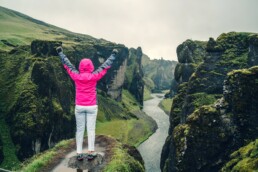
Let’s chat about the hiking paths at Fjaðrárgljúfur Canyon, because they’re something else!
So, Option A for you adventurous souls: The Fjaðrá river, which flows right through the canyon, usually keeps it cool with low water levels. That means you can actually hike inside the canyon – pretty awesome, right? Just a heads-up, you might have to wade through the river a couple of times, so bring along some sandals or wade shoes.
The walk? It’s a bit of an adventure, not gonna lie. But the deeper you go, the more jaw-droppingly beautiful it gets. And the view from the deepest part? Absolutely unparalleled. But hey, quick note – this hike isn’t the best idea in winter. Safety first!
Option B is great if you’re not into the idea of wading through water. It takes you up to this awesome viewing platform on the edge of the canyon. The view from there is something else – you can see the whole area, and it’s absolutely gorgeous. Just a little advice: make sure to stick to the path and don’t wander into the restricted areas for photos. We all want to keep this place as beautiful as we found it.
And if you’ve got the time and you’re feeling adventurous, why not try Option C? It’s the whole package – you get the dry, scenic experience of Option B, plus the fun of wading through the canyon like in Option A. It’s the perfect way to get the full experience and really see what the canyon has to offer.
Ensuring a Safe Visit to Fjaðrárgljúfur
Firstly, Fjaðrárgljúfur is pretty safe by Icelandic standards, but as with any new place, it’s wise to come prepared. Here are some tips:
If you find the water levels are high, maybe give going into the canyon a miss. Wading through the river is necessary, and it can get tricky if the water’s too deep.
If the water’s low and wading’s on the agenda, do yourself a favor and pack some sandals or wading shoes. They’re a game-changer for comfort.
Here’s a big one: stick to those marked paths. When one person veers off, it’s like a trailblazing parade. Plants get squashed, grass gets trampled, and those mud pits? They just balloon. The canyon’s had to shut down a few times because the trails got roughed up. Staying on the path helps keep this natural beauty, well, beautiful.
Winter visits are a whole other ball game. Jumping into the river is not the best idea – it’s icy, and the water’s depth can be super deceptive. Plus, the cold can be a shocker!
Lastly, keep an eye on those road conditions, especially around Kirkjubæjarklaustur and Road Nr. 206. Icelandic weather can throw some curveballs, and you’ll want to be prepared. When spring and fall hit, this place turns into a marshland. Melting snow and showers make the trails a muddy slip-n-slide. And who wants to ruin their kicks, right?
Status of Fjaðrárgljúfur: Open or Closed?
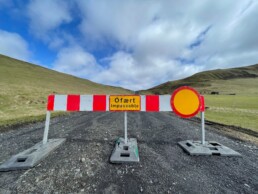
Remember back in April 2018 when Fjaðrárgljúfur hit pause for the first time? It was all about protecting the greenery and keeping visitors safe. The damage was no joke, and guess what caused it? Yep, wandering wanderers.
This drama’s on repeat. The canyon’s had to close up shop a few times since then. And here’s the thing: sometimes, it’s closed for TLC. The plants here are a sensitive bunch. So, before you plan your big trip, check those official websites for updates.
Pop Culture: Justin Bieber in Fjaðrárgljúfur
You remember those spots where Justin was strolling in the “I’ll Show You” music video? Yeah, they’re a no-go zone now. Seriously, stick to the rules and signs. They’re not just there for show – they’re to keep you safe and nature happy!
No sneaking over ropes, no hanging out on cliff edges without a proper lookout. And hey, even if others did it before, stepping on moss? Nope, don’t do it. Oh, and those little side paths others made? Nah, better to stick to the main trail.
The Environment Agency’s on a mission to fix up the mess we made on the plants. But imagine, it might take ages to sort it out! Let’s play by the rules and give nature a hand, yeah?
In the beginning of Justin Bieber’s “I’ll Show You” video, he’s strutting on a cliff, taking in the epic view of Fjaðrárgljúfur Canyon.
Then, around 1:09, the spotlight swings back to Fjaðrárgljúfur. The camera gives a glimpse of the canyon all empty before shifting to Bieber, casually splashing around in his undies.
Once that video hit the big leagues, Fjaðrárgljúfur went from an under-the-radar gem to an absolute sensation! Suddenly, it’s a must-see in the Southeast, and the tourists just keep pouring in.
The video’s also got other hotspots like Skógafoss Waterfall, Dyrhólaey Cliff with a view of Sólheimasandur, that Airplane Wreck on Sólheimasandur, plus Ring Road 1, Jökulsárlón Glacier Lagoon, and the dreamy Diamond Beach.
Winter Wonders at Fjaðrárgljúfur: A Snowy Spectacle
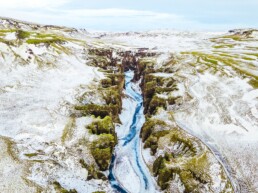
Winter at Fjaðrárgljufur is breathtaking, but it’s not always easy to access. That road? Yeah, it’s often shut tight thanks to heavy snow. Trust me, trying to bulldoze through will only mean getting your wheels stuck. Respect the signs, folks!
But hey, if by some winter miracle the road’s open, brace yourself! The stream’s still gushing, but those hills? Draped in snow, it’s like stepping into a scene from Lord of the Rings.
Need the lowdown on that road to Fjaðrárgljúfur? Hit up www.road.is and scout for road number F206. It’s your best bet for the latest scoop!
Nearby Gems Around Fjaðrárgljúfur
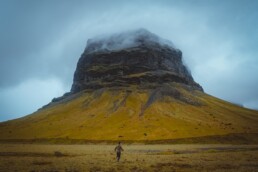
There’s Kirkjubæjarklaustur with its Kirkjugólf Basalt Floor and waterfalls like Stjórnarfoss and Systrafoss. Then there’s Systrastapi Cliff, pretty stunning!
And don’t miss out on Kirkjugólf’s Church Floor Basalt Columns and the enchanting Eldhraun Lava Fields. Fagrifoss and Foss á Síðu Waterfalls are pure magic!
And that’s not all! There’s Dverghamrar, Mt. Lómagnúpur, Skaftafell National Park, Hofskirkja Church, Svartifoss Waterfall, Svínafellsjökull and Falljökull Glaciers, Fjallsárlón Glacier Lagoon, Hvannadalshnúkur Summit, Jökulsárlón Glacier Lagoon, and even Diamond Beach! These spots are like a dream waiting to be explored!
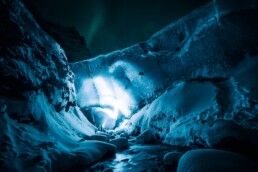
Travel Guide: Why You Should Visit Iceland in December

Have you ever thought about exploring Iceland in December? It’s honestly the perfect time to go. Why, you ask? Well, it’s prime time for catching the mesmerizing northern lights and getting into that cozy holiday spirit.
Let me break it down for you. In this travel guide, I’ll dive into what the weather’s like (spoiler: it’s chilly but magical), the must-visit destinations, and all the fun stuff you can do. And let’s not forget about the tours – there are some real gems out there waiting for you.
December in Iceland gets pretty chilly and dark. The snow piles up all over the place, and you’re lucky if you catch the sun for more than a handful of hours each day. But don’t let that get you down! Christmas time brings out the festive cheer big time, making things a whole lot brighter.
Surprisingly, many of Iceland’s famous spots and tours are still open in December. Plus, this is the prime time for cool activities like exploring ice caves and chasing the northern lights. If you’re into planning, you can easily find the top tours and vacation packages for winter in Iceland. And hey, if you’re up for driving yourself around, there are some sweet winter self-drive tours to check out too!
Just a heads-up, though: there are a couple of things to keep in mind to make sure your trip is as awesome (and safe) as possible. Stick with me, and I’ll walk you through everything you need to know.
And hey, if you’re there for New Year’s in Reykjavik, you’re in for a real treat – it’s an absolute must-do!
Fancy a Christmas in Iceland?
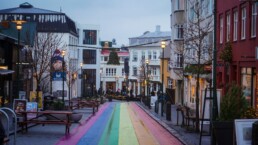
Now, about Christmas in Iceland. Being mostly Lutheran, they’ve got some really unique and beautiful Christmas traditions. There’s this amazing vibe all through December, making it a top time to visit. They call Christmas ‘Jol’ (kinda sounds like ‘Yule’, right?), and it’s all about celebrating light – especially since the days start getting longer after the winter solstice. Walking through Reykjavik, you’ll hear “Gledileg jol!” – that’s their warm way of spreading holiday cheer. It’s something you’ve got to experience firsthand!
So, diving a bit into Iceland’s history, they officially switched to Christianity way back in 1000 AD during an Althingi session – that’s their big historic assembly. But here’s a fun fact: the old heathen ways didn’t just vanish overnight. They kind of lingered on the down-low, even getting a nod of approval by law, as long as they were kept hush-hush. Fast forward to today, and there’s still a fascination with those Old Norse Gods. Did you know about 1% of the folks there follow the Asatru religion? Pretty cool, right?
Now, about Christmas in Iceland – it’s this incredible blend of Lutheranism and old Pagan traditions. The whole festive season kicks off during Advent. The country literally lights up with Christmas trees from the fourth Sunday before Christmas Eve. And in Reykjavik, they’ve got this massive tradition: the Oslo Christmas Tree lighting in Austurvollur square. It’s a big deal and a total crowd-puller. The tree’s a gift from Norway – talk about neighborly love! It’s the official signal that Christmas season has started, and trust me, it’s a sight to see.
As Christmas approaches in Iceland, you might spot these cool characters called the Yule Lads wandering around town. They’re a mix of merry and a tad bit scary, especially for the kids. Forget the usual Santa and his reindeer; here, it’s all about these 13 brothers!
These guys start their rounds on December 11, popping into towns one by one, each day. They’re like your secret gift givers, sneaking presents into kids’ shoes left on window shelves throughout December. By the time Christmas Eve hits, those Icelandic kiddos already score 13 small surprises! But hey, if they’ve been naughty, it’s just a boring old potato for them.
These Yule Lads aren’t always angels themselves. They’re a mischievous bunch with names that match their antics. Take “Door Slammer” for instance, he’s loud and bold. Then there’s “Skyr-Gobbler,” who’s all about munching on skyr and won’t think twice about snatching it if he’s hungry. Oh, and “Doorway-Sniffer”? He’s got a nose for sniffing out this special fried bread called laufabraud, a Christmas delicacy. These guys sure keep things interesting!
Other Yule Lad characters are guys, like “Spoon-Licker”, “Pot-Scraper”, and “Candle-Stealer” – not your typical holiday names, right? They used to be more like trolls, straight out of parents’ spooky bedtime stories to keep kids in line. But now? They’ve mellowed out, dressing up in Santa-like gear and hanging around downtown Reykjavik.
But their mom, Gryla? She’s a whole different story. This troll lady is still pretty intimidating, ruling her family with an iron fist, alongside her bumbling, much older hubby, Leppaludi. Gryla is the one who’s still out there, according to legend, snatching up naughty kids – and maybe even adults – during Christmas. If you’re ever in Akureyri, check out the figures of Gryla and Leppaludi.
And then there’s the Yule Cat, Gryla’s pet. This enormous black cat has a taste for kids who don’t get any new clothes for Christmas. It’s a quirky way to make sure kids appreciate all gifts, even the “boring” ones like socks or shirts. Every year in Reykjavik, they put up this massive, lit-up Yule Cat statue in Laekjartorg square – it’s pretty wild to see!
But December in Iceland isn’t just about the Yule Lads and their antics; it’s a whole festive vibe! Picture this: restaurants dishing out these awesome “Christmas buffets” that everyone—families, colleagues—can’t get enough of. And hey, shops extending their hours till 10 PM from December 15 to 23! Even bars get in on the action with Christmas gigs and shows.
But, here’s the catch: during the peak Christmas buzz, some places might shut their doors or have shorter hours. Typically, it’s a downtime between December 24-26 and December 31-January 1. Icelanders go all out on Christmas Eve, swapping gifts after a big dinner—it’s a tradition.
Now, if you’re up for exploring beyond the capital, there’s this spot called Obyggdasetrid, the Wilderness Center. They’ve got these ‘Nostalgia of Christmas’ tours all through December. You get a dose of Icelandic Christmas history while munching on homemade Christmas grub. It’s a pretty cool way to soak up the season!
Weekend opening at the Reykjavik Family Park and Zoo
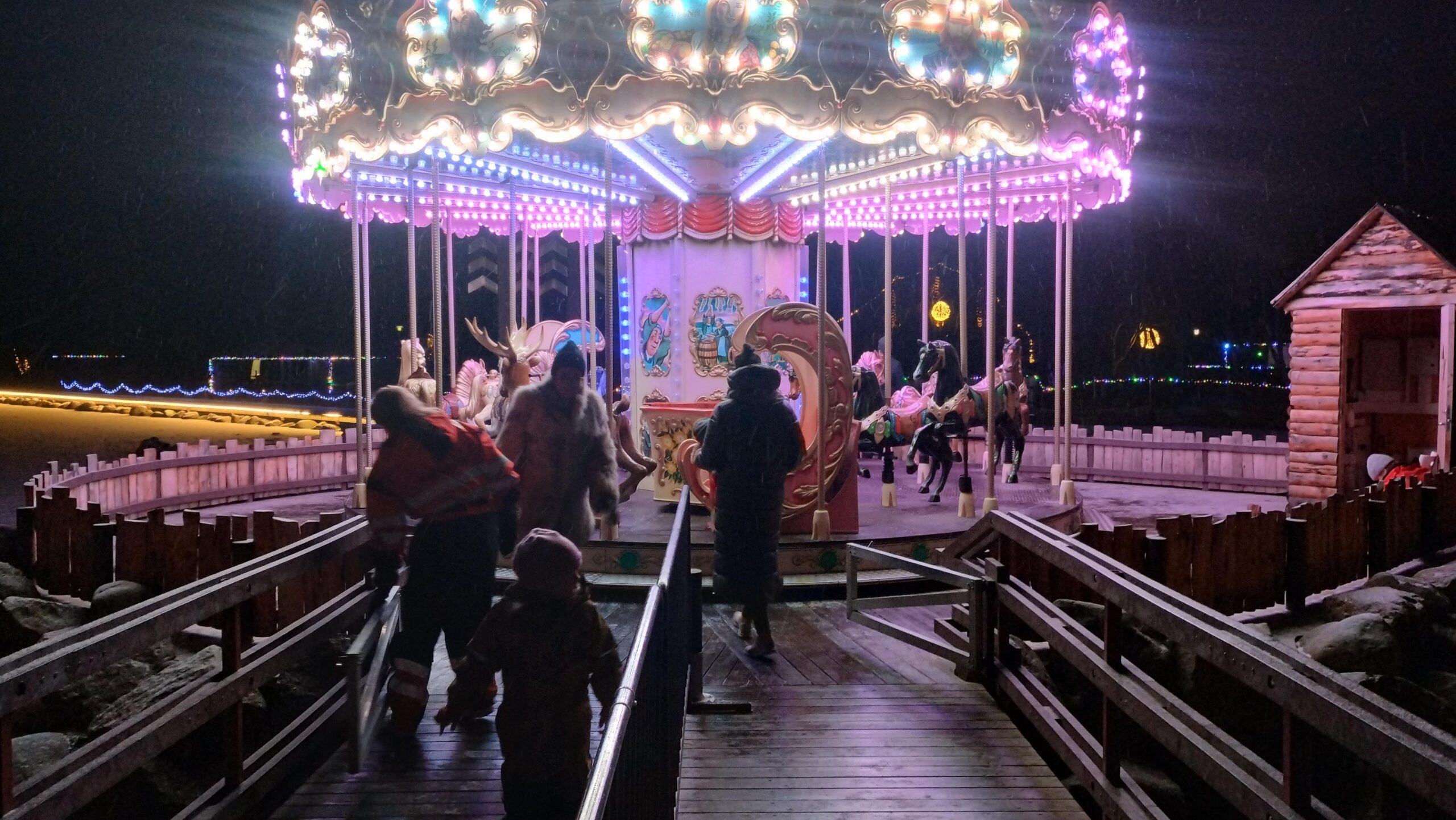
When visiting in December and having your kids with you then you should defiantly check out the weekend opening at the Reykjavik Zoo and Amusement Park (Húsdýragarðurinn). It is a nice place to go to in the evening when fully lit with all types of Christmas decoration and lights. Just take care it is only open in the weekends and opens around 10am and closes around 8pm. This might of course change in the coming years so be sure to check the link above for the current opening time.
Happy Happy New Year's Eve in Iceland
Now, let’s talk New Year’s Eve in Iceland. Trust me, it’s a whole different level of celebration, especially in Reykjavik. Think of it as the highlight of the year – the city comes alive like you wouldn’t believe.
As midnight approaches, it’s like the entire population hits the streets. And the fireworks? We’re talking about the biggest show in Iceland. Here’s the cool part: locals buy their fireworks from the Icelandic Search and Rescue team. Yep, it’s their way of funding these heroes! And then, they light up the sky pretty much anywhere and everywhere, all evening and way into the night. It’s like the whole city turns into one massive party. Definitely something you’ve got to see at least once in your life!
Lets talk about Winter Solstice

Aside from the big Christmas and New Year’s bashes, there’s something else in Iceland during December that’s pretty special – the Winter Solstice. It’s a big deal in those long, dark winter days. Every year on December 21st, over on Videy Island, they relight the Imagine Peace Tower, and it stays lit until the end of the month. You can hop on a ferry to catch the ceremony – it’s a serene, beautiful experience.
Here’s a fascinating bit: Yoko Ono, John Lennon’s widow, came up with this idea. It’s a tribute to Lennon. The base of the tower has the word ‘Peace’ inscribed in 24 different languages. And the light beam? On a clear night, it shoots up to 2.5 miles into the sky – absolutely mesmerizing. You can even spot it from all over Faxafloi bay and the capital area. It’s like a beacon of peace lighting up the winter darkness, a pretty profound sight if you ask me.
December Delights
So, it might be chilly and some roads are closed, but don’t let that fool you – there’s a ton to do in Iceland in December, especially in Reykjavik.
Stay in the capital in the Christmas
Talking about Christmas in Reykjavik, it’s a huge deal. To get the most out of your trip, keep an eye on the Visit Reykjavik website. They start posting Christmas opening hours for shops, restaurants, and other spots from November.
Now, for a real Christmas vibe, you’ve got to visit Hafnarfjordur. It’s this charming town in the greater capital area, just 15 minutes from downtown Reykjavik. The place is steeped in Icelandic folklore and tradition, and they really go all out for Christmas. The hip town center transforms into this enchanting Christmas village, complete with a weekend market. And Hellisgerdi park? It becomes this magical realm of Christmas lights. Trust me, it’s like stepping into a fairytale!
But you know where the Christmas spirit really comes alive? The Arbaejarsafn Open Air Museum, just on the outskirts of Reykjavik. This place is usually a summer-only destination, but they open up on weekends in December, from 1 to 5 PM.
This museum is like a time capsule – it’s got turf houses and old churches, set up to show how Icelanders from different walks of life used to celebrate Christmas. It’s a deep dive into Iceland’s yuletide history, and you can do it all while sipping some hot cocoa.
There’s this cool exhibit where you can see how tallow candles are made. These candles were a big deal back in the day, not just for light in the long winters, but also as a favorite item for our friend, the Yule Lad “Candle-Sneaker” to swipe. And when you start feeling peckish, you’ve got to try the traditional Christmas dinner items: smoked lamb, known as hangikjot, and leaf bread, or laufabraud. This bread is a work of art, with intricate leaf-like patterns – and no, it’s not made from actual leaves!
It’s a unique experience, mixing history, tradition, and some really tasty treats. Definitely a must-visit for a taste of authentic Icelandic Christmas.
At 1 PM, they’ve got these cool guided museum tours kicking off, followed by a cozy Christmas service in the turf church at 2 PM. And guess who’s dropping by from 2 to 4 PM? Yep, the Icelandic Yule Lads, ready to entertain the crowd. At 3 PM, get ready to groove at the town square’s dance celebration—sounds like a blast, right?
Now, snagging tickets is easy. You can grab them right at the museum or, here’s the nifty part, snag a Reykjavik City Card. It’s your golden ticket to all sorts of museums and galleries across the city. Trust me, the museum vibes in December? Off the charts!
If you’re all about diving deep into Icelandic culture and those magical folktales, here’s a quirky idea: head to a wool workshop. Yeah, wool’s been a big deal here forever, and at this workshop, you can create your own monster! Talk about inspiration galore—those surreal Icelandic landscapes will fuel your imagination for sure.
Ring in the New Year in Iceland

New Year’s Eve in Reykjavik? It’s a blast, literally, with fireworks lighting up the capital. The top spots to catch the show are around Hallgrimskirkja church and Perlan.
Hallgrimskirkja church is the place to be. It’s this iconic church that offers a fantastic view of the city. But honestly, wherever you find yourself in Reykjavik, you’re in for a great view of the fireworks. A little tip: you might want to pick up some protective glasses sold around the city as the night approaches.
And there’s more – Reykjavik hosts this 6.2-mile (10-kilometer) run on New Year’s Eve. It’s a big hit with the locals. Picture this: people running in costumes, all for the fun of winning prizes. The race starts and ends at the Harpa Concert Hall, and it’s a sight to see.
Then, after the run, or maybe after you’ve warmed up with some pre-partying, Reykjavik’s famous nightlife is there for you to dive into. Trust me, it’s the perfect way to ring in the new year!
Ice Caves in Iceland are so much fun
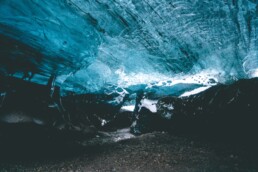
But hey, there’s more to Iceland in December than just the holiday cheer. It’s also prime time for some really cool activities – and I mean that literally. Take ice caving, for instance. It’s one of those experiences that’s just out of this world.
Beneath the glaciers, there’s this secret world where water flows and creates tunnels. It’s like stepping into a fantastical ice kingdom. And every December, three of these glaciers become the perfect destinations for exploring these icy wonders. It’s a rare opportunity to see the inside of an ice cap and learn about how these stunning natural phenomena come to be.
But here’s the thing – these caves are totally at the mercy of nature. They’re not always what you’d call ‘tourist-friendly’. Heavy rains can lead to floods, messing with the caves’ structure. So, tours only happen when it’s safe – no compromises there.
And really, if you’re thinking about ice caving, do it with someone who knows their stuff. An experienced glacier guide on an official tour is a must. It’s all about keeping the adventure awesome and safe.
Now, for the hotspots – Vatnajokull, Europe’s largest glacier, is where it’s at. The area around it, with all its incredible sights, is accessible all winter. You could start at the Jokulsarlon Glacier lagoon and then head into the heart of the Vatnajokull glacier for your ice cave expedition.
Another cool spot is the Skaftafell Nature Reserve. In December, the glaciers there transform into this stunning shade of blue, and they creep right into the reserve, making your hike to them pretty easy. Want a tip? Try a small group ice cave tour that includes all the glacier gear. It’s a more intimate, fun way to do it.
And if you’re near Vik, check out a tour that combines ice caving and glacier hiking at Katla Volcano in Myrdalsjokull. They even sort out your transfer. It’s all about getting up close with these icy giants in a way that’s safe, fun, and just a bit thrilling.
See the Northern Lights dance in Iceland in December
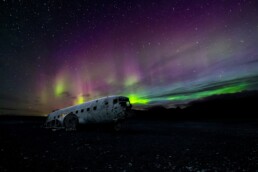
So, in those weeks around the winter equinox in Iceland, the sun’s pretty much playing hard to get – you get about four hours of daylight. But here’s the cool part: this makes it the ultimate time to catch the northern lights. Imagine, 20 hours of darkness each day – it’s like nature’s prime time for an aurora light show.
Now, for the perfect aurora experience, you need two things: a sky full of solar activity and as few clouds as possible. A little tip: keep tabs on the Icelandic Meteorological Office website for the aurora forecast. If the solar activity’s buzzing and the clouds are taking a break, your chances of seeing those magical lights skyrocket. It’s all about timing and a bit of luck, but when it all lines up, it’s an unforgettable sight.
If catching the Northern Lights in December is on your radar, Iceland’s got a few ways to make it happen.
First off, you can hang around Reykjavik and scout for them in the darkest spots, like Grotta lighthouse or Klambratun Park. Sometimes, if they’re really kicking, you might even catch a glimpse from areas with a bit of city glow, like a quiet street.
But here’s the hitch: city lights can dim the show. They kinda hold back the full glory of those auroras. Plus, you’re stuck in one place; can’t just zip off to dodge pesky clouds like you could in a vehicle.
Another way to chase those magical lights is by taking matters into your own hands—literally! Rent a car and become your own Northern Lights detective. Check out the aurora forecast and zoom off to the countryside, dodging all that pesky city glow.
Here’s the perk: no city lights messing with your view, and you can snag those perfect, crowd-free spots. But hey, big disclaimer: this plan’s for the confident drivers out there. You’ve got to know your stuff about those routes; getting lost or stuck isn’t the kind of adventure you’re after! Safety first, folks!
The easiest and most foolproof way? Opt for a Northern Lights tour—it’s like having your own aurora expert by your side!
These tours are the real deal. Led by seasoned guides who knows their way around Iceland’s roads and, more importantly, in finding those elusive lights. They’re like encyclopedias when it comes to the aurora borealis. They’ll unravel all its mysteries and even help you nail those perfect camera settings.
Here’s the kicker: if the weather’s a downer or the lights decide to play hide-and-seek, no worries! You can hop on another tour for free until you catch those dancing lights.
And hey, don’t think these tours will break the bank. There are some sweet deals out there. Hop on a comfy bus, get to those prime spots, and soak it all in.
But wait, there’s more! You can go the VIP route with private tours, some even using super jeeps to reach those off-the-grid spots. That means no crowds, just you and the awe-inspiring lights. Oh, and here’s a quirky one—how about a Northern Lights boat cruise from Reykjavik? Talk about a unique way to witness nature’s show!
Lava Cave Exploration
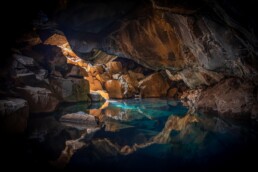
Winter adds an extra dash of wonder to exploring lava caves in Iceland! Why? Well, inside these caves, ice sculptures pop up like nature’s own art installations. The porous lava rocks soak up water, and when it freezes, voila! You’ve got stunning stalactites and stalagmites.
There are three go-to caves you can hit up anytime, but they’re especially cool in winter. There’s Leidarendi cave on the Reykjanes peninsula, Vidgelmir cave in the Hallmundarhraun lava field, and Raufarholshellir cave near Hveragerdi.
But let me tell you about Raufarholshellir—it’s like stepping into a secret underworld. Imagine walking through tunnels formed 5,200 years ago by molten lava. This classic tour unveils a hidden world beneath your feet, and trust me, it’s pure magic.
If the idea of tight spaces gets your nerves going, no sweat! There are family-friendly options for checking out these lava caves. Take the Vidgelmir cave tour or opt for a guided exploration of Raufarholshellir cave—they’re more open and spacious: Wide entrances, easy steps leading to wooden pathways and plenty of headroom.
Now, let’s talk safety. Lava caving isn’t super risky, but having the right gear is key. A good torch, a helmet, and crampons (those spiked shoes for icy surfaces) are must-haves. Plus, never underestimate the importance of a knowledgeable guide—they’re your ticket to a safe and awesome adventure underground.
Aquatic Adventure
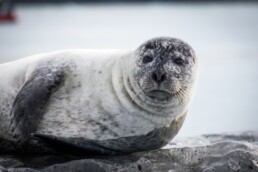
Snorkeling in Iceland isn’t just a fair-weather activity—it’s equally intriguing during winter, especially at the Silfra fissure in Thingvellir National Park.
This fissure sits snugly between the North American and Eurasian tectonic plates and gets its water supply from Langjokull glacier’s melt. As these plates slowly shift, they carve out an exceptional underwater realm.
Silfra stands out for its clear and pure water, thanks to its passage through lava fields. Despite the cold, this water holds a steady two-degree Celsius temperature underground, only freezing once it reaches lake Thingvallavatn.
The snorkeling scene at Silfra is something else! There are massive, cathedral-like spaces and the water is so intensely blue. In winter, the whole vibe gets even cooler.
When you’re diving in, the dry suits are your fortress against getting wet, and thick undersuits are your cozy armor against the cold. Now, if you go for wetsuit hoods and gloves, sure, they let some water sneak in, but don’t worry—it heats up pretty fast. And these guides? They know every cold-water trick in the book. They’ll set you up with all the right gear for the best underwater adventure.
When it comes to diving in Silfra’s world, there are some ground rules for safety. To join in on the Silfra diving or snorkeling fun, you’ve gotta be at least 16 years old, weigh around 110 pounds (50 kilograms), and stand at least four foot nine inches (150 centimeters) tall. These standards are all about keeping everyone safe while diving into the wonders of Silfra!
Lovely Winter Whales
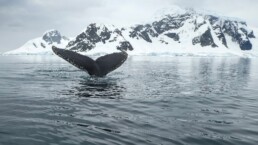
December adds its own charm to Iceland’s whale watching scene. While the larger baleen whales that usually visit during summer have mostly headed south for their mating season (although a few linger around year-round), there’s still a lot to witness.
For a great winter whale-watching experience, Faxafloi Bay in Reykjavik is the place to be. Tours start from the Old Harbour, just like any other time of year, offering a two to three-hour expedition.
Leading the show? The energetic white-beaked dolphins steal the spotlight with their playful moves—leaping, diving, and surfing in groups. Keep your eyes peeled for the rare harbor porpoise and, if you’re lucky, a pod of magnificent orcas might make an appearance!
Glaciers Tours in Iceland
Hiking on Iceland’s glaciers is a fantastic pick for a December visit. The Solheimajokull glacier and Skaftafellsjokull glacier are perfect for hikes during this time.
The Solheimajokull sits along the south coast, nestled between Skogafoss waterfall and Vik. You can join a Solheimajokull glacier hiking tour here. And guess what? Some of these tours even offer ice climbing to add an extra thrill to your adventure!
Exploring the Skaftafellsjokull glacier, tucked away in the Skaftafell Nature Reserve, offers some breathtaking vistas along the South Coast.
In December, most tours for this area kick off right there—like a Skaftafell glacier hike (medium difficulty). You’ll need to meet up with your group at the park, where the adventure begins. Or, you could opt for a two or three-day package that not only includes guided glacier hikes but also takes you to incredible nearby spots like the Jokulsarlon Glacier Lagoon or the majestic Seljalandsfoss waterfall.
Glacier hikes aren’t just about the views; they’re a whole adventure! And rest assured, these excursions are led by experienced guides who not only showcase the beauty but also delve into the fascinating science behind these icy giants.
Winter Thrills - Snowmobiling
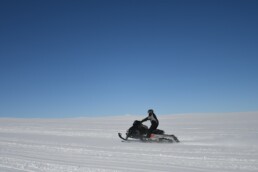
You’ve got the chance for an epic snowmobiling adventure too! From Reykjavik, there’s a day trip zooming off to Langjokull glacier, packed with a visit to the famous Golden Circle. Another option? Grab a transfer from Gullfoss waterfall for an hour of snowmobiling excitement right on Langjokull glacier.
Picture this: you’re cruising across fresh snow, feeling the thrill for about an hour. The tour team sets you up with all the gear you need to stay cozy and safe, but make sure you’ve got your winter layers underneath and a valid driver’s license if you’re taking the wheel.
At Langjokull, there are human-made tunnels carved into the glacier’s stable parts—a sort of ice castle filled with stunning ice sculptures and separate rooms.
Now, the Ice tunnel day tour at Langjokull is an all-year-round gig, but the natural ice caves are a short-season wonder. The perk with the ice tunnel tour? It’s less likely to get canceled due to tricky weather conditions.
Winter Wonderland. Some must see places.
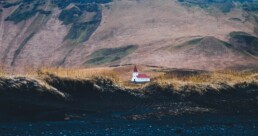
Looking for the best places to explore in Iceland come December? There’s a bunch of spots perfect for sightseeing during this time! The iconic Golden Circle, Iceland’s South Coast leading to Jokulsarlon Glacier Lagoon, the stunning Snaefellsnes peninsula, and the Reykjanes peninsula are mostly open for adventures.
You’ve got options—pick from various tours or grab a four-wheel drive to navigate yourself around (more on that below). If you’re staying within the city, a compact car rental might do the trick.
Now, those self-drive tours? They’re all about chasing the Northern Lights! You call the shots on where and for how long you hunt for this jaw-dropping phenomenon, boosting your chances of catching it in action.
Jokulsarlon Glacier Lagoon in Southeast Iceland is a gem—icebergs floating in crystal-clear waters create a stunning sight. Plus, it’s a top spot for seal-watching, especially during winter.
Many South Coast package tours kick off from Vik village, swinging by the Reynisfjara black sand beach, the striking Reynisdrangar sea stacks, and the Dyrholaey rock arch.
Now, this area? It’s awe-inspiring, but the waves crashing along the shore are massive and unpredictable. They’re a sight to behold, but it’s essential to keep a good distance of over 100 feet (30 meters) away from the water. Those sneaker waves are notorious here and can be seriously risky.
Heading to the South Coast means passing by some iconic Icelandic sites—think Seljalandsfoss and Skogafoss waterfalls, which might just be frozen! If you’re up for fully soaking in the beauty of the south, better book your hotel in South Iceland real soon!
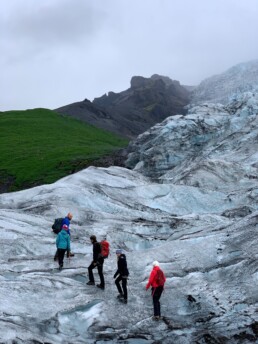
Venturing into the highlands solo won’t cut it—unless you’re up for joining a day tour in a super jeep. The snow piles up thick on the roads, sometimes even hiding the road signs completely.
Now, here’s the deal—the weather and road conditions might put a damper on exploring North Iceland, East Iceland, and especially the Westfjords.
But hey, don’t lose hope! There are package tours that let you cruise through various destinations for an epic road trip. They keep things flexible because, let’s face it, December weather in Iceland can throw some serious surprises.
Explore Hot Springs
Is the Blue Lagoon still open in December? Absolutely! But as expected, it’s still super popular. If snagging Blue Lagoon tickets feels like trying to catch a shooting star, don’t sweat it—check out some of Reykjavik’s top-notch swimming pools instead. Or hey, consider diving into the relaxing Hvammsvik Hot Springs for a soothing soak.
In the Greater Reykjavik Area, you’ve got the fantastic Sky Lagoon—imagine lounging in its infinity pool with ocean views. And up in North Iceland, don’t miss a chance to unwind at the Myvatn Nature Baths—a stellar geothermal spa nestled in an incredible natural setting.
After your winter adventures, dipping into warm geothermal waters is an absolute treat. And let’s admit, it’s kind of thrilling to soak it up in the hot springs while a snowstorm paints the scene outside!
Things To Know About Visiting Iceland in December
December in Iceland is more than just Christmas and New Year’s—it’s a winter wonderland waiting to be explored! But prepping for a trip here means being savvy about two major things: the weather and the roads.
Is December A Good Time for an Icelandic Adventure?
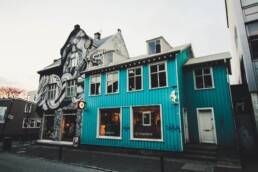
You betcha! It’s one of the liveliest times, with the holiday spirit in full swing. Plus, with the winter solstice, you’ve got extra-long nights—perfect for chasing those elusive northern lights.
And hey, all those glacier and ice cave tours? They’re at their absolute best. Just remember: your winter gear is the real MVP for this journey!
Planning Tip for a Trip to Iceland in December

When gearing up for a December jaunt to Iceland, a few nuggets of wisdom can save the day. First off, be a weather watcher and stash those cozy clothes in your bag. Oh, and mark this: December means fewer daylight hours, so plan your adventures accordingly.
But here’s the real deal-breaker: driving in Iceland in December—brace yourself for that!
Driving around Iceland in December
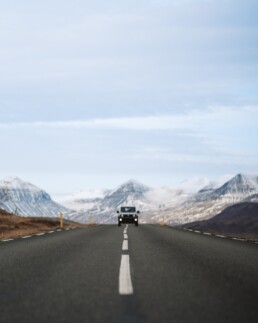
December in Iceland means icy roads are on the menu, thanks to the cold. So, if you’re planning to rent a car in Reykjavik or at Keflavik Airport, go for the four-wheel drive option. It’s a game-changer, especially if you’re up for an adventure beyond the city.
But hey, if icy roads aren’t your thing, skip the car idea and jump on guided tours instead. Let the pros steer while you soak in the scenery minus the stress.
Tours? They’re your hassle-free ticket. And don’t sweat it, getting from Keflavik Airport to Reykjavik is a breeze!
To dive deep into Iceland sans driving, snag a guided winter package tour—those cover all the must-sees. But if you’re up for driving, there are tons of winter self-drive packages to ponder.
Now, if you’re steering yourself through Iceland in December, plan your route before you hit the road and let someone know your game plan. Heads up: the roads to the Highlands and Westfjords will be off-limits. Trust me, being stranded in the snow isn’t part of the adventure. Always check road conditions before hitting the road.
The Icelandic Meteorological Office is your go-to for all things weather-related in December.
Some roads, like Route 1 along the South Coast, get wild with high winds. And after heavy snowfall, there’s a risk of avalanches, so stay adaptable and plan smartly to keep safe on the roads.
December Weather in Iceland
December hits Iceland with a serious chill—it’s one of the coldest months! The winds kick up quite a fuss, too. That low-pressure system from autumn? It’s still doing its thing, so bundle up in cozy layers and rock those sturdy shoes. But here’s a tip: Reykjavik’s a bit more forgiving in December, thanks to those city buildings giving some wind cover.
Darkness? Yeah, it’s in full swing. Pair that with the cold and dampness, and it can be a bit of a mood dampener. So, stick to a routine—rise and shine early, hit the sack early. And don’t miss out on the magic: the festive city lights and those elusive northern lights!
Chilly Vibes: December Temperatures in Iceland

Curious about Iceland’s December temps? Think hovering around freezing—usually between 34°F and 39°F (that’s -1°C to 4°C). Oh, and get this: it’s one of the wettest times, dishing out around 3.8 inches (97 mm) of rain.
Snow Galore: Iceland's December Snowfall
Snow’s a regular guest in December. Time to gear up! Grab your cozy headgear, snug gloves, thermal layers, and waterproof outerwear. Oh, and don’t forget those trusty hiking boots if you’re planning to explore. And hey, if you’re short on winter gear, Laugavegur shopping street in Reykjavik’s city center’s got you covered with winterwear stores aplenty.
Winter Vibes in Reykjavik
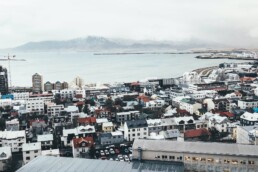
Wondering about Reykjavik’s December weather? Picture this: while the rest of Iceland might be rocking a snowy blanket, Reykjavik’s usually steering clear. Thanks to its warmer vibes, snow only pops in sporadically from January to April. Plus, here’s a cool hack—many streets here have a heated secret, keeping them snow-free and slip-proof.
Cozy Nesting: Where to Stay in Iceland in December
If you’re eyeing Iceland for a December getaway, Reykjavik’s your cozy destination. Why? Well, the weather might play some tricks on roads up North and East or in the Westfjords, but the capital and South Iceland? Top picks. For the inside scoop on recommended stays and Reykjavik hotels, plus a guide on the best spots to hunker down in Iceland, we’ve got you covered.
Iceland in December: A Romantic Getaway
December in Iceland is like walking into a wonderland. There’s this buzz in the air, with snow dusting everything and the northern lights teasing you overhead. The towns turn into these magical scenes straight from a holiday movie, all aglow with lights and cheer.
It’s the perfect time for cozying up in quaint cafes, wandering hand in hand through the charming streets, and catching those breathtaking northern lights. It’s like falling into a romantic fairy tale!
Recommended Itinerary for a Trip to Iceland in December
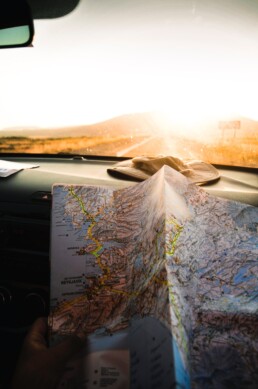
Spending about eight or nine days for your vacation in Iceland in December can be a total adventure. Some folks might want to make Reykjavik their hub, while others aim to soak in every bit of Iceland’s natural beauty.
Everyone’s got their vibe and budget, so think of the suggested itinerary below as a rough sketch, something you can mold and shape to fit your style. But hey, the big decision lies in whether you’ll be zooming around in a four-wheel drive. Iceland’s got some nifty self-drive packages that can get you to all the hotspots in a week if that’s your jam.
For a taste of adventure, you’ve got options like a two-day self-drive tour to the Jokulsarlon glacier lagoon, which even includes ice caving. If you’re up for more, there’s an epic six-day northern lights winter self-drive tour along Iceland’s South Coast, packed with sights and, yes, more ice caving. All these goodies wrapped up in about a week, with enough time to soak up the vibes in Reykjavik during the festivities.
And for the really intrepid explorers out there, consider stretching the adventure with a nine-day winter self-drive tour exploring the Snaefellsnes Peninsula and South Coast. That’s a journey that’ll make the stories last a lifetime!
Driving in Iceland during winter is not for the faint-hearted. It’s all about icy roads and tricky conditions. So, this trip idea below will focus more about tours and packages that’ll save you the hassle.
Picture this: an eight-day winter wonderland travel package. Yep, it’s like a smorgasbord of Iceland’s best bits. You’ll hit the Golden Circle, wander along the South Coast, check out the Jokulsarlon glacier lagoon, explore the Snaefellsnes peninsula, and hey, you’ve even got a free day to roam Reykjavik or hop over to Akureyri and hang out at Lake Myvatn.
Ice-caving, northern lights tours or cruises, plus your pick of horse riding, snowmobiling, or snorkeling—this package has it all. And since it’s December, the festive vibes are real. If you’re digging Reykjavik’s scene, mix and match a few packages to strike that perfect city-nature balance. Cool, right?
Day one’s all about landing at Keflavik Airport, hopping on the Flybus, and starting your holiday super relaxed—Blue Lagoon style! Picture soaking in those soothing waters till you’re all set after the flight, then heading to your pad in Reykjavik.
Once you’re settled, get ready to dive into the holiday feels! Downtown Reykjavik during Christmas? It’s like stepping into a festive movie. Laugavegur and the whole downtown scene? Lit up with twinkling lights and decorations. Perfect for strolling around and soaking in the vibe!
Once you’ve taken in Reykjavik’s city buzz, it’s time for a countryside adventure! Strap in for a two-day South Coast tour—you’ll chase waterfalls and explore sights en route to the Jokulsarlon Glacier Lagoon. If luck’s on your side, catch the aurora borealis dance over the icebergs. Day two? It’s all about ice-caving fun before heading back to Reykjavik.
Day four’s all about diving into Reykjavik’s charm! History buffs? Kick off with the Reykjavik Maritime Museum or maybe a quirky visit to the Phallological Museum (yep, it’s a thing!). Then, head over to the Arbaejarsafn Open Air Museum, opening at 1 PM, for a peek into Iceland’s past.
On days five and six, you’re in for a treat with a two-day exploration of the West Coast and Snaefellsnes Peninsula. I mean, we’re talking epic sights like Mt. Kirkjufell, Snaefellsjokull glacier, and those impressive Londrangar sea stacks. Plus, you might even catch some seal watching and explore lava caves. It’s like a nature lover’s dream come true!
On the seventh day, we’re hitting up the Golden Circle – the last shot at soaking in Iceland’s countryside. But here’s the twist: we’ve got choices! Horse-riding, snowmobiling, or snorkeling – which adventure grabs your fancy?
Then, on day eight, it’s time to head back to Keflavik Airport. Got a bit of time left? Why not squeeze in some more Reykjavik fun or tie up those Christmas shopping loose ends?
Starting to think more about a dream vacation to Iceland in December? I hope this guide has set the stage for your Icelandic plans!
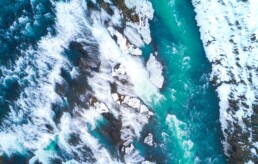
Discover Iceland in February: Handy Guide
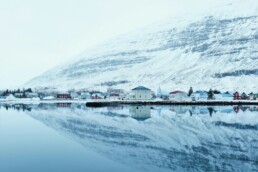
Thinking about hitting Iceland in February? I’m here to spill the beans! Let’s talk about what’s up with the weather, what to toss in your suitcase, and how to get prepped for your journey. And hey, I’ll clue you in on some awesome February tours and the sweetest things to do, like whale watching, hunting down those captivating northern lights, exploring ice caves, and a bunch more fun stuff.
So, when February hits, Iceland’s pretty much a snowy wonderland. And darkness takes over more than daylight, making it the prime time to catch those mesmerizing northern lights.
You know, Iceland in February might seem like a wild ride with its crazy weather, but here’s the deal: it’s still pretty accessible. You’ve got options – hit the road and explore the entire Ring Road or just chill in one spot and discover loads of amazing places from there.
A word to the wise: driving around Iceland in February can be a bit of an adventure. I’m talking tricky roads, surprise weather swings, pitch-black nights, and not much light once you’re off the beaten path.
But here’s the sweet part: February’s the time when Iceland takes a breather – fewer crowds compared to the peak season. It’s been Iceland’s laid-back month for a while now, so it’s perfect if you’re not into the hustle and bustle.
There’s a ton of cool winter activities waiting for you! So, no worries about getting bored during your Icelandic escapade. Stick around for the lowdown on enjoying Iceland in February!
Navigating Iceland in February: Must-Knows
You’re going to be absolutely wowed by the serene, snowy landscapes and the cities buzzing with life. But let me share a few nuggets of wisdom before you dive in, especially about staying safe with the driving and weather of Iceland in February.
Exploring by Car in Iceland in February
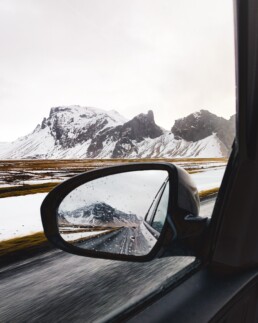
So, driving in Iceland in February, it’s kind of its own beast. Usually, the roads are decent, but in winter? Man, it’s like a whole different world.
Imagine this: roads slick with ice, with snowdrifts that look like they’re straight out of a movie set. And the weather? It throws everything at you – heavy snow, rain, and it’s dark a lot, like you’re in some moody film noir. Plus, the wind is no joke – it can make your car feel like it’s caught in a tango.
You really should only grab a rental car if you’ve got some solid experience driving in tricky, icy conditions. You know, the kind where the roads are more ice than asphalt. And if you do decide to rent, seriously consider getting a four-wheel drive. It’s like the difference between wearing sneakers and snow boots in a blizzard – trust me on this.
Now, about the tires, because that’s super important too. You can’t use chains on your tires there, but don’t worry, every car comes with winter tires. That’s like the basic setup. But here’s a pro tip: a lot of rental places have studded tires – we’re talking tires with little nails for extra grip. It’s like having cleats for your car, which is pretty cool. Make sure you ask for these studded bad boys if they’re not already part of your rental package. Stay safe and enjoy the ride!
Alright, so next up on the list of ‘Keeping Yourself Safe in Iceland 101‘: make sure you let someone know your travel plans. It’s like leaving breadcrumbs – if something goes sideways, it’s way easier for someone to find you. And here’s another biggie: always, and I mean always, check the weather website for your route and destination before you head out.
Things change fast out there, so make it your morning ritual to recheck conditions. Some spots are notorious for avalanches and stuff, so better safe than sorry, right?
Now, about those roads. The ones going into the Highlands and a bunch in the Westfjords? Forget about them in winter. They’re closed. These are the ‘F-Roads’ – and no, that ‘F’ isn’t what you’re thinking! It stands for ‘fjall’, which means ‘mountain’ in Icelandic. Pretty much a no-go zone in the colder months.
Parking – this can be a sneaky one. Be super careful where you park. Getting stuck in the snow is no joke, and guess what? Most insurance won’t cover the cost to tow your car out. That’s a bill you don’t want to be surprised with.
Last but definitely not least: if a road is closed off, it’s closed for a reason. Don’t even think about crossing it. And off-road driving? Big no-no. It’s not only illegal with some seriously hefty fines (and even jail time), but in winter, it’s downright dangerous. Let’s keep the adventures fun and safe, alright? Enjoy your trip!
Weather in Iceland in February : What to Expect?
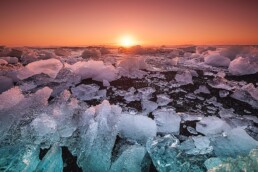
So, let’s talk February in Reykjavik, the capital. Temps usually hang around 33.8 F (1 C), and it’s no surprise – it’s a bit of a wet one, averaging about 3.3 inches (83 millimeters) of rain.
Now, Iceland’s February weather? It’s all over the place! Picture this: snow, wind, and rain might just team up on you – maybe all in one day! It can be a rollercoaster.
The nights? Cold and dark, real long ones too. But here’s the cool part – daylight increases by nine minutes every day. Snow’s got a silver lining – it brightens up those dark hours. And when the sky’s clear and chilly, that’s when the northern lights put on their show. So, wrap up and keep your eyes peeled for that magical display!
Wardrobe Essentials for Iceland in February
Get ready to pack like you’re off to a winter wonderland!
First things first, hiking boots. Even if you’re just planning to hang in Reykjavik, those streets can be like a mini ice age – either super slick with fresh ice or that tricky, melting kind. Regular shoes might seem fine at first, but unless you’re into the idea of cold, wet feet, go for the boots.
Gloves are up next. Not just any gloves, though – you want the good stuff. Think leather gloves with a snug fleece lining. They’re basically like a warm hug for your hands.
Now, if you’re venturing outside the city, wind and waterproof pants are your best friends. The weather can be a bit of a wild card – usually windy and wet.
Okay, gear checklist! Those windproof and waterproof pants? Absolutely essential! Once you step away from Reykjavik, Iceland’s weather plays its game – mostly windy and wet during February. So, trust me, packing those pants is a smart move.
Now, for the twist – a swimsuit! Hear me out, it might sound random. But if you’re eyeing the hot springs, geothermal pools, hitting up local swimming spots, or planning a day at the Blue Lagoon or snorkeling in Silfra, that swimsuit’s your ticket to join the fun.
Let’s talk about staying cozy! Here’s the golden rule: pile on those warm layers – scarves, hats, gloves, the whole shebang. And for that comfy, easy-pack vibe, fleece and wool items are your A-team.
Daylight Patterns in Iceland in February
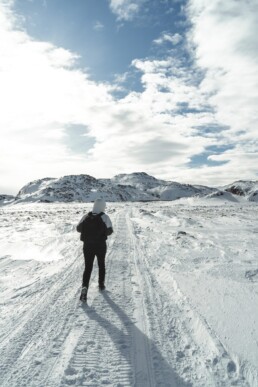
Moving on to daylight hours in Iceland in February. Brace yourself, it’s kinda short, but hey, it’s all part of the winter charm. At the start, sunrise plays it cool at 10:07 AM, and by 5:16 PM, it’s saying, ‘See ya!’
But as the month rolls on, sunrise comes in earlier, around 8:38 AM, and sunset’s partying until 6:43 PM, giving you a sweet 10 hours of daylight by the end of February!
Blue Lagoon Accessibility during February
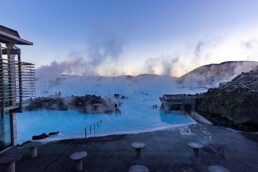
The Blue Lagoon keeps its doors wide open in February. It’s an all-year-round deal. Sure, the thermometer might scream ‘brrr’, but trust me, soaking in that toasty water amidst the chilly air? Pretty darn magical.
Oh, and snap-happy folks, listen up! Winter’s the time to grab that camera and capture that cool, thick steam rising from the warm, azure waters. Instagram gold, seriously.
And hey, it’s not just the Blue Lagoon! Iceland’s got loads more hotspots – we’re talking geothermal spas, hot springs, and public pools scattered all over. Check out the Sky Lagoon for some capital relaxation vibes or venture to the stunning Hvalfjordur fjord to unwind in the lavish Hvammsvik Hot Springs.
Iceland in February: Must-Do Activities
If you’re all about diving into the winter wonderland of Iceland in February, you’ve got a bunch of cool activities on your plate. Winter exclusives, you know? Stuff like exploring ice caves in Vatnajokull glacier or going on a quest for the northern lights.
And here’s a quirky twist: ever thought about snorkeling in Silfra with the snow and ice as your backdrop? Trust me, it’s a whole new level of magic.
Check out our top picks for things to do in Iceland this February.
Hunting the Northern Lights in Iceland in February
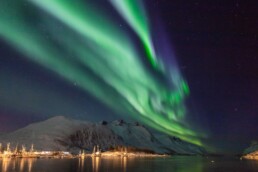
Seeing the northern lights is a big draw for most travelers in Iceland during winter, especially in February. Why? Because that’s when the skies are clearer, darker, and make for the perfect aurora borealis show. To catch this stunning spectacle, head out of Reykjavik. City lights can dim the magic of the northern lights. The best bet? Take a guided tour or a cruise outside the city to experience this enchanting display.
Here’s the scoop about catching those dazzling northern lights: soon as you touchdown in Iceland in February, consider booking a tour pronto. These lights play hard-to-get, so if they don’t show up on your first try, most tour guides will gladly give it another go.
Quick tip: it’s a good call to try it early in your trip ’cause sometimes the weather doesn’t play nice. If the forecast looks gloomy or the lights aren’t shining too bright, the tours might get called off. So, better to try your luck as soon as you arrive!
More chances equal more magic, so keep your schedule flexible if you miss out the first time.
If you’re off on a solo hunt for the northern lights, peek at the aurora forecast (anything above a 3 is a good go) and check the cloud cover for the area.
Photography enthusiast? Make sure you’ve got the gear and know-how for capturing the aurora. Patience is key, so relax and wait for that perfect shot.
February's Frozen Wonders: Ice Cave Exploration
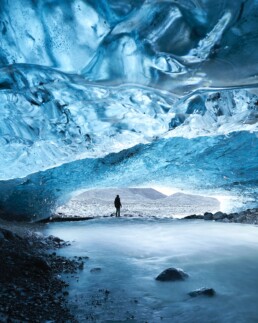
When you’re thinking about what to do in Iceland in February, one of the coolest winter activities is exploring the ice caves nestled beneath the massive Vatnajokull glacier, Europe’s largest ice cap. These caves are super rare, forming naturally in a way that’s hard to come by.
Rain can sometimes play a spoiler – heavy rainfall can make the caves unsafe, leading to tour cancellations. But hey, February’s rainfall isn’t as intense as other winter months, so it’s a better shot at bagging an ice cave tour.
Remember, it’s risky business exploring these caves solo. You’ll need to join a guided group for safety. If you’re up for a combo adventure, you can pair an ice cave tour with a 2-day trip along the South Coast or a 3-day adventure covering the Golden Circle & South Coast. These tours take you to some jaw-dropping spots like the Jokulsarlon glacier lagoon and the scenic Skaftafell Nature Reserve – offering a taste of Iceland’s breathtaking natural beauty.
Marine Marvels: Whale Watching in Iceland in February
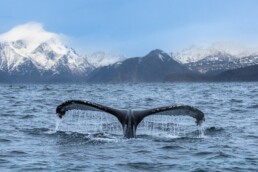
In February, Reykjavik’s still buzzing with whale-watching tours that run all year round. You’d be amazed to know there are over twenty different types of whales swimming around Iceland’s waters during this time.
Those playful white-beaked dolphins steal the show in February, showing off their social skills and playful jumps in Faxafloi bay. But hey, spotting harbor porpoises might need a bit more patience; they’re around, just a tad elusive.
Alongside these dolphins and porpoises, you might get a peek at orcas, pilot whales, and beaked whales enjoying the chilly Icelandic waters. Oh, and let’s not forget about those minke whales—some of them choose to stay back rather than migrating that year!
Just a heads-up, similar to those northern lights tours, whale-watching trips might get called off if the weather decides to throw a tantrum. Sometimes, you might not get lucky spotting those majestic sea creatures. But don’t worry, most tour operators offer another go at it for free if that happens.
Here’s a handy tip: It’s smart to hop on a whale-watching jaunt early in your trip. That way, if you miss out on a whale sighting, you’ve got time to give it another shot.
And when you’re getting set for the whale watch, make sure you’re all bundled up! Those sea winds can get pretty chilly. Usually, they provide these nifty overalls to keep you cozy, but bringing your warmest gear is a smart move. Those winds don’t play nice, you know!
Underground Wonders: Lava Caving in Iceland in February
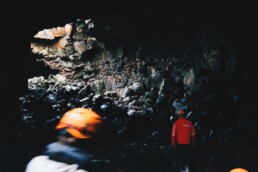
Diving into lava caves of Iceland in February is an awesome adventure, even though it’s a tad more challenging than in summer. But you know what’s cool? The icing on the cake (literally!) in February are these amazing ice formations inside the tunnels.
Lava rock acts like a sponge, letting water move through it slowly. So, when the water seeps through the cave’s ceilings, the freezing cold turns it into these awesome icicles or tiny stalactites. It’s like nature’s own ice sculpture show! And when that water hits the ground, it creates these equally cool ice shapes.
It’s a real treat for the eyes, but watch your step – all that ice can make things slippery! Don’t fret about gear though, the guides will set you up with crampons and helmets. If you want an easier cave trip, Raufarholshellir or Vidgelmir cave are great options. They’re roomier and have walkways, making your underground expedition a breeze.
Taking a Dip in Iceland's Public Pools in February
Icelanders love their public swimming pools—they’re a hub for socializing and unwinding. After a long day or even on weekends, it’s where you’ll find locals relaxing and catching up with friends.
These pools are heated by geothermal energy and are scattered across towns in Iceland. In Reykjavik, for instance, there are seven public pool centers. The largest boasts two Olympic-size pools—one indoors and one outdoors, alongside smaller pools, hot tubs of various temperatures, and spacious public saunas.
Imagine soaking in an outdoor pool with the air brisk and chilly—it’s an authentic Icelandic experience you won’t forget!
Snorkeling in Iceland's Chilled Waters
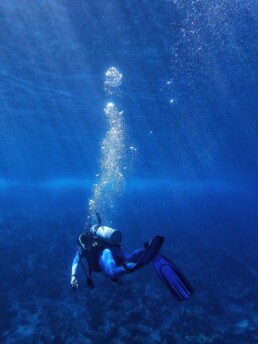
Iceland in February offers a unique adventure: snorkeling in Silfra. You might think it’s only for the bravest souls, but hey, modern drysuit gear makes it doable for almost anyone.
Silfra’s open year-round and it’s not just any dive spot – it’s legendary!
Nestled in Thingvellir National Park, Silfra’s this stunning gorge filled with the clearest spring water you’ll ever see. Imagine diving into this world of mesmerizing blue hues and fantastic geological formations with visibility that goes beyond 330 feet (100 meters).
Now, picture yourself snorkeling in Silfra beneath the swirling auroras. And here’s the cherry on top: imagine swimming in between snow-capped surroundings.
It’s an exclusive chance, something so unique you’ll hardly find it elsewhere. Especially snorkeling between two different tectonic plates – that’s an experience you won’t forget!
Before diving into Silfra, there are some things to consider. For diving, you’ll need to be a certified drysuit diver or have a solid record of ten logged drysuit dives in the last two years.
Now, for snorkeling in Silfra, here are some general guidelines (though these might differ slightly based on the tour company):
You should be at least 16 years old.
Swimming ability is a must.
Height should be over 4 feet 7 inches (145 centimeters), and weight should be over 99 pounds (45 kilograms).
For folks above 60, or if you’re 45 and love your pipes or a good drink, a medical waiver’s required.
Similarly, if there are underlying neurological, circulatory, or respiratory conditions, a medical waiver is necessary.
Oh, and the snorkeling gig’s not for expectant moms either.
Glacier Trekking in Iceland's February Frost
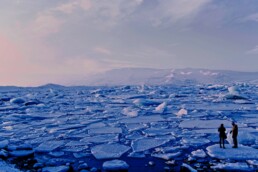
Glacier hiking is something you can do any time of the year and it’s pretty awesome every time. But, let me tell you, February adds a special touch to it. You’ve got these glaciers covered in this electric blue ice – it’s like stepping into a magical world! And guess what? Ice caves!
Yes, those beautiful formations hiding inside the glaciers. In February, the Solheimajokull and the Svinafellsjokull glaciers down in South Iceland are the go-to spots for this icy adventure.
Get yourself a guide who knows the ropes and voilà! You’ll be diving right into these amazing ice wonders and learning tons about Iceland’s fascinating geology. It’s not just a hike; it’s like a trip into an icy wonderland with a bonus science lesson!
Riding horses in Iceland is like being a part of history and soaking in the awesome landscapes all at once. These horses were the backbone of Iceland back in the day, and let me tell you, they’ve got quite the story to share.
What’s cool about Icelandic horses? Besides being tough in the cold, they’re super curious and smart too. Hanging out with them is a real treat – they’re a mix of clever and charming.
Riding one of these Icelandic beauties is like diving deep into Iceland’s heritage. Seriously, it’s an adventure that’s worth every moment!
Unraveling Iceland in February: Must-See Sights
While winter might close off some parts of Iceland, there’s still a lot to explore. You can actually travel the entire Ring Road, either on a guided tour or driving solo.
Iceland’s natural wonders are a big draw for visitors, especially in February. Here are our top four recommendations for sightseeing in February.
Winter Charms of the Golden Circle in Iceland in February
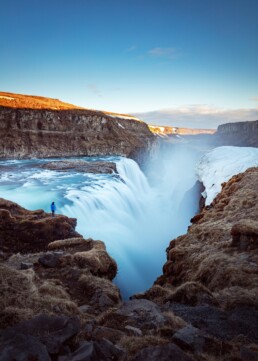
The Golden Circle, a must-see trail, covers Thingvellir National Park, Geysir Geothermal Area, and Gullfoss Waterfall. Each spot is known for its striking beauty and distinct appeal, attracting travelers year-round. February doesn’t disappoint; the snow-draped Thingvellir, with frozen features like the Oxarafoss waterfall, is simply breathtaking.
The Geysir Geothermal Area is a sight to behold in February. Picture a mosaic of vibrant colors popping out from the ground amidst all that snowy landscape. It’s like Mother Nature’s hidden canvas.
Now, let me tell you about Gullfoss waterfall during this time.The rocks wear these icy crowns, sparkling next to the powerful rush of water. And if you’re lucky, catch a rainbow gracing the scene. It’s like stepping into a fairytale!
That’s why folks love the Golden Circle tours here. You get to witness so much breathtaking beauty in just a short time. It’s a real treat for anyone exploring Iceland!
February's Trail: Iceland's South Coast Marvels
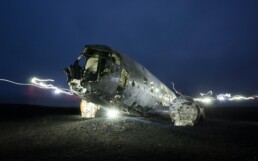
February’s a great time to explore Iceland’s South Coast. It’s like a wonderland of diverse landscapes and cool sights.
Think about it: you’ve got these amazing waterfalls, Seljalandsfoss and Skogafoss, plus massive glaciers like Solheimajokull and Vatnajokull. And don’t forget the legendary volcanoes – Eyjafjallajokull, Katla, and Hekla!
But that’s not all, there’s Skaftafell Nature Reserve, the stunning Reynisfjara black sand beach, the old Solheimasandur plane wreck, and the breathtaking Jokulsarlon glacier lagoon.
The South Coast is a hit year-round, but keep an eye on the waves at Reynisfjara beach. They can be a bit unpredictable, so best to admire them from a safe spot. Safety’s important, but there’s so much beauty waiting to be explored!
Fantasy Land: Iceland’s Lake Myvatn in February
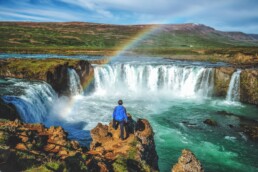
Up in North Iceland in February, Lake Myvatn is a hidden treasure waiting to be discovered, especially if you’re a Game of Thrones fan. It’s not just a lake; it’s a real-life movie set.
Imagine wandering around and realizing, “Hey, Jon Snow and Ygritte had a romantic moment right here!”
The frozen lake is like nature’s artwork, with unique shapes poking through the ice. And don’t even get me started on Dimmuborgir, the ‘Dark Fortress.’ The snow-draped lava formations are like something out of a dream. It’s not just a sightseeing spot; it’s a journey into a winter wonderland that’s both magical and awe-inspiring.
Iceland in a Nutshell: Snaefellsnes in February
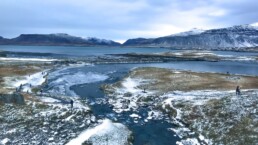
The Snaefellsnes Peninsula, they say it’s like a mini Iceland all on its own, covering about 56 miles (90 kilometers). This place has a bit of everything that makes Iceland so special.
No matter when you visit, there’s a buffet of natural goodies here – think volcanoes, mountains, lava fields, beautiful beaches, cool rocks, vast fields, and charming little towns.
When February rolls in, it’s like a snow-coated dreamland. The mountains wear fresh snow caps, waterfalls freeze up a bit, and those rocky shores stay just as striking. And guess what?
February is when orcas often drop by for a visit along the coast, especially around Snaefellsnes, the place to be for catching these awesome creatures.
Highlight Festivities in Iceland in February
Beyond Iceland’s natural marvels, the vibrant festival scene in Reykjavik is a huge draw for tourists. Every month, the capital buzzes with events that attract both visitors and locals. Here are a few notable ones.
Winter Lights Festival: Glimmering Nights
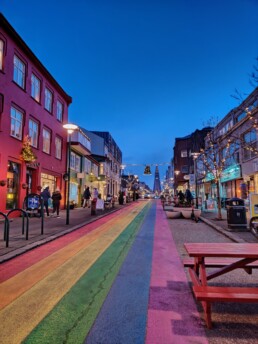
Kicking off every first weekend of February, the Winter Lights Festival marks the start of brighter days amidst the winter backdrop. As the city illuminates with lights, a series of events unfold over several days. There’s a bit of everything—music, sports, art, history, and cultural affairs.
Keep an eye out for Museum Night and Pool Night; these evenings bring unique entertainment to the city’s museums and public pools. They’re absolute musts!
Thorrablot: Celebrating Culinary Heritage
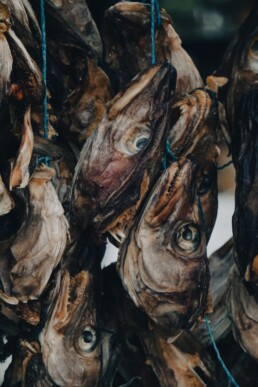
Thorrablot is a unique cultural fest that happens from late January to mid-February, marking the lunar month of Thorri in the old Norse calendar. This fest is all about Icelanders celebrating their roots by digging into traditional Icelandic dishes that have been around for ages.
Now, some of these eats might not tickle everyone’s taste buds at first. We’re talking about fermented shark (hakarl), boiled sheep’s head (svid), and ram’s testicles (hrutspungar) – definitely not your average dinner fare!
But hey, they’ve been a part of Iceland’s history for centuries, helping folks survive the harsh times. But if you’re not up for those adventures in eating, there’s also smoked lamb (hangikjot), rye bread (rugbraud), and delicious stockfish (hardfiskur) to savor, especially with a good dollop of butter.
Thorrablot isn’t your typical festival with flashy events all over the city. It’s more like a month-long celebration where folks gather for family dinners or companies throw Thorrablot feasts for their employees. You won’t find a big public event downtown, though.
But here’s the thing: during January and February, lots of these unique dishes are available in Icelandic supermarkets. So, if you happen to visit Iceland at that time, you can pick up some traditional Icelandic grub and have your very own Thorrablot with your travel buddies!
For an even better experience, you might want to consider joining a guided food tour in Reykjavik. They offer awesome traditional Icelandic food tours or guided food lover’s walking tours that showcase the local flavors. Great way to dive into the culture!
Love in Winter Air: Valentine’s Day in Iceland

You know, Icelanders don’t really go all out for Valentine’s Day like folks do in other places. But hey, the date’s catching on, and some fancy hotels and restaurants are starting to roll out special deals and meals on February 14th.
If you happen to be in Iceland for Valentine’s Day, why not make it a bit more special? Grab a table at one of Reykjavik’s top-notch restaurants—they might just have a stellar menu for the occasion.
Or here’s another ace up your sleeve—book a spa day at the Blue Lagoon. Think soaking up in those dreamy milky-blue pools and, wait for it, getting pampered with treatments like massages or facials using cool stuff like algae and silica. It’s like a whole new level of relaxation!
Women's Day: Celebrating Women

Wanna know about an awesome Icelandic tradition? It’s called Woman’s Day, or ‘konudagur’ in Icelandic, and it’s a cool way to celebrate women! Happens in the second half of February, and it’s all about giving a shoutout to the amazing women in your life.
This tradition goes way back to the Norse calendar, which had 13 months based on the moon cycle. Woman’s Day falls on the first day of the month of Goa on that calendar. And get this: guys show their appreciation by doing thoughtful things like bringing flowers, taking their special lady out for dinner, or giving them cool presents. It’s not just romantic; even kiddos give their mom some love with flowers or gifts!
Oh, and if you’re curious, Icelanders also have a Man’s Day! That one’s in the lunar month of Thorri, a month before Goa, and goes down in the second half of January.
Crisp Winter Getaways in Iceland in February
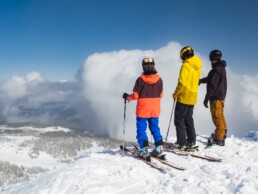
Now that we’ve covered a bunch about touring Iceland in February, I’ve got some pretty cool suggestions for you! These itineraries are all about making your stay in Iceland top-notch, and they’re tailored to fit the number of days you’ve got here. Plus, they’re totally adjustable, so feel free to tweak them to match your vibes, plans, and budget.
Long Weekend Blast
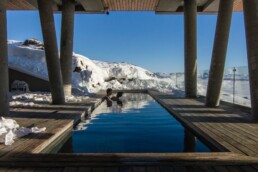
Your epic four-day adventure in Iceland in February kicks off the moment you touch down around noon on day one. You hop on this airport transfer bus from Keflavik International Airport straight to the breathtaking Blue Lagoon.
It’s like a dream—a chance to relax and unwind in those stunning azure waters, maybe even throw on a silica mask for some top-tier pampering. Then, you proceed to settle in your Reykjavik hotel and spend the rest of the night strolling around the city, looking for unique shops and dining in quirky restaurants.
Since there’s a bit of time constraint, it’ll be wise to grab a two-day tour to cruise around the South Coast.
After soaking up the South Coast’s natural wonders, it’s back to Reykjavik for you. Get back to your hotel, freshen up, and get ready to dip your toes into the city’s nightlife. There’s always something buzzing after dark!
Your departure’s likely in the late afternoon on day four, but hey, you’ve got a bit of morning time. How about starting the day with a horseback ride? It’s a real taste of Iceland, trust me!
As your Icelandic adventure winds down, it’s Flybus time to head back to the airport. That’s the wrap on your short but jam-packed February trip to Iceland.
Oh, and here’s a hot tip: if you’ve got a spare day, don’t miss out on a mini-bus tour of the Golden Circle. It’s totally worth extending your stay for this one!
Winter Vacation
To truly soak in the magic of Iceland in February’s winter vibes, you’ll want a solid 10 days on your hands for the Getaway Traveler Itinerary.
Check this out: there’s an option for a10-day Circle of Iceland self-drive tour or a 10-day South Coast self-drive tour. Both let you dive into Iceland’s awesome landscape on your own schedule.
But hey, if you’re not too keen on navigating icy roads, no worries! Consider a holiday package or a guided tour instead. They’ll take the wheel and let you focus on enjoying the ride!
There’s a 9-day minibus adventure. It’s all about hitting the Ring Road, cruising through the East Fjords, and exploring the stunning Lake Myvatn. Then, there’s a 10-day tour option that really digs into the south. You’ll be checking out the Landmannalaugar geothermal area and soaking up the beauty of the Snaefellsnes peninsula.
If you’re aiming to catch the top spots like Lake Myvatn and experience the vibes of the Snaefellsnes peninsula, these packages are golden.
Picking a package is probably your smoothest way to plan your trip and really make the most out of your February escapade in Iceland.
Once you touch down at Keflavik Airport, don’t miss out on the Blue Lagoon experience before settling into your Reykjavik accommodation for the night. Now, here’s the plan for an early start the next morning: kick off an eight-day guided northern lights tour, cruising through the complete ring road. Get ready for some glacier hiking and an epic ice cave exploration.
Oh, and you’ll also be exploring the stunning Snaefellsnes peninsula, hitting all the major sites like the Snaefellsjokull glacier and Mt. Kirkjufell.
Winter’s the prime time to catch those amazing northern lights. If you stay away from city lights, chances are good you’ll see the aurora lighting up the sky over these breathtaking natural spots while you’re on your journey through Iceland.
To sum it up, even though Iceland’s still chilly and dark in February, it’s a pretty awesome place to visit. The folks here are super friendly, which adds to the charm.
With nights and days balancing out, fewer crowds around, and a bunch of cool winter activities, there’s this cozy vibe to the month that’ll make your winter adventure really stand out.
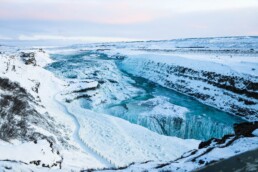
Iceland in March: Handy Travel Guide
Thinking of hitting up Iceland in March? Oh, it’s a hidden gem! Imagine stepping into ice caves or watching the northern lights – it’s unreal! Pack for surprises though; the weather’s pretty unpredictable.
With Iceland in March you’ll see more sun than snow – a real mood-lifter! Here’s a tip: it’s the off-season, so you can snag some cheap hotels and cheap flights before the summer rush. And there’s a bunch of cool tours that let you soak in Iceland’s vibes under those dazzling northern lights.
March in Iceland? It’s like the island’s best-kept secret. You’re slipping in right after the Christmas rush and just before summer hits, so guess what? You practically get those breathtaking sights all to yourself – no jostling with crowds for that perfect photo.
And it’s not just about the scenery. Iceland in March has some quirky festivals and events that you won’t find anywhere else. Plus, if you’re into adventures, the ice caves are still epic, and northern lights? Absolutely still on the menu.
Want a few ideas to kick off your Icelandic adventure in March? Here’s what’s on my must-do list.
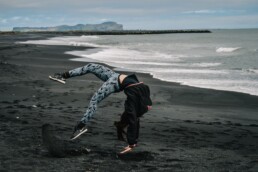
Is March a good time to swing by Iceland? You bet!
You can still dive into those cool winter adventures like checking out ice caves and chasing after those mystical northern lights. Plus, here’s the kicker – it’s not as jam-packed during this time.
But hey, there are a few things to consider if you’re planning a March trip to Iceland.
Driving Around Iceland in March
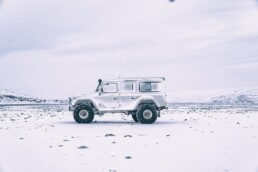
So, you’re mulling over renting a car in Iceland, huh? It’s a fab way to see the sights on your own terms. But let me give you the lowdown: Icelandic roads in March can be a bit like a winter wonderland obstacle course – think icy patches, sudden snowdrifts, and some pretty feisty winds. Oh, and let’s not forget those long, dark nights.
If you’re the confident, ‘I’ve got this’ type when it comes to driving in frosty conditions, then you’re in for a real adventure. Just a heads-up: make sure you go for a four-wheel drive. It’s pretty much your trusty steed during the Icelandic winter.
All the cars are kitted out with winter tires, but here’s a pro tip: ask for studded tires. They give you that extra grip and peace of mind, especially if you’re the ‘better safe than sorry’ kind. But remember, it’s a March thing – once April rolls around, it’s back to regular tires.
Alright, so you’re cruising around Iceland in March – it’s epic, but let’s talk about tackling that wild weather. When it’s coming down hard, keep your eyes peeled for those sneaky road markings hiding under the snow. And about parking? Choose wisely. Trust me, you don’t want to get towed. It’s not just pricey; it’s a real mood-killer, and it’s usually not covered by your insurance.
Now, driving in Iceland isn’t just about battling the elements. You’ve got to be a bit of a road detective too. Keep an ear out for avalanche or flood warnings – they can be a thing in March. My pro tip? Always, and I mean always, check the latest on the weather and road conditions before you hit the road. Better safe than sorry, right? Stay sharp and you’ll have a blast!
Exploring Iceland in March: Top Activities and Experiences
Did you know the old Icelandic calendar split the year right down the middle – six months for winter and six for summer? Pretty neat, huh?
So, according to this handy old-school way of thinking, March is still winter time in Iceland. That’s awesome news if you’re itching to try ice caving or chase those elusive northern lights.
But, here’s the cool part: March is also when days start stretching out a bit more and it’s not as nippy as the deep winter months. So, you’re not just stuck with winter-only fun.
Want the inside scoop on the top things to do in Iceland in March? I’ve got some ideas that’ll make your trip unforgettable!
Enchanting Ice Caves of Iceland in March
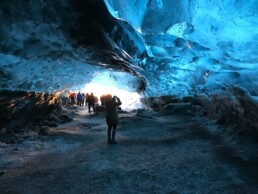
Oh, have you heard about the electric blue ice caves in Vatnajokull glacier? They’re like something out of a fantasy movie! Seriously, one peek at a few snaps and videos, and you’ll get why folks from all corners of the globe flock there. But here’s the catch – they’re a bit of a seasonal exclusive, open just a few precious months each year. Lucky for you, March is in that golden window!
You’ll find some jaw-dropping cave tours in Southeast Iceland. Most kick off from Reykjavik, which is super convenient. If you’re up for an adventure, check out this three-day extravaganza. It’s a mix of ice caving and glacier hiking, and you’ll get to see show-stoppers like the Jokulsarlon glacier lagoon and Skaftafell Nature Reserve. Trust me, it’s a once-in-a-lifetime kind of trip!
If you find yourself down in the southeast, there’s this epic Vatnajokull glacier ice cave tour that starts right at the Jokulsarlon glacier lagoon. It’s like stepping into another world!
Now, remember to gear up with some solid hiking boots and cozy, waterproof clothes – Iceland’s beauty is matched by its ruggedness. And hey, wandering around glaciers on your own? Not the best idea. It’s way safer (and way more fun) to join a tour. They’ve got all the gear you’ll need, plus you get a guide who knows the lay of the land.
There’s also this amazing 2-day South Coast and Jokulsarlon lagoon tour. It’s up and running all through March. Picture yourself exploring ice caves by day and chasing the northern lights by night. Sounds like a dream, right?
Chasing the Mesmerizing Northern Lights
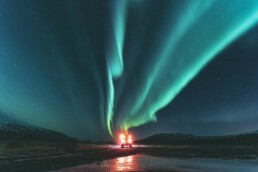
Catching the northern lights in Iceland? Oh, it’s like winning the nature lottery, and guess what? March still gives you a pretty sweet shot at it.
Here’s the deal: if the sky’s clear and dark, and the sun’s doing its solar dance just right, you’re in for a spectacular show with the aurora borealis. It’s like nature’s own disco in the sky.
Now, the best way to chase those elusive lights? Jump on a northern lights tour. There’s a bunch leaving from Reykjavik. You could go for a cozy minibus tour, or, for something a bit fancier, how about a super jeep tour with a photographer guide? They’ll help you capture those magical moments.
And for something totally different, why not a northern lights boat cruise? Imagine floating in Faxafloi bay, away from all the hustle and bustle, just you and the lights.
Hanging around in Reykjavik might not be your best bet for northern lights spotting, though. The city lights can be a bit of a party pooper. But, if you don’t want to stray too far, there’s a ferry to Videy island. It’s close, but just far enough to give you a decent chance of catching the aurora.
Why not try renting a car and going on your own aurora hunt using Iceland’s northern lights forecast as your map? Just remember, the dark hours are your hunting grounds, so evenings are prime time for this adventure.
Now, renting a car in Iceland in March does come with a bit of a caution flag – the roads might still be snow-covered or icy. But if you’re up for driving in Iceland and feeling confident, it’s a fantastic way to discover the country’s beauty.
Whale Watching Adventures
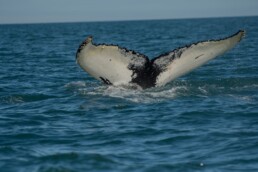
Heading out on a whale-watching tour in Iceland? You’re in for a real treat! When you’re out there on the waves, keep your eyes peeled for humpback and minke whales – they’re the usual crowd-pleasers. But hey, you might get lucky and spot orcas, fin, or even the majestic blue whales. And if it’s your day, you could even catch a glimpse of beaked, pilot, or sperm whales.
Most tours set sail from Reykjavik in those sturdy standard whale-watching boats. You know, with the weather being a bit unpredictable, they’re your best bet over those smaller RIB boats.
Or, if you’re up for a bit of a journey, head over to Olafsvik harbor on the Snaefellsnes peninsula’s north side. It’s a whole different vibe there. And then there’s Breidafjordur – a hot spot for orcas thanks to it being a herring haven.
Up north? Akureyri’s got you covered for whale watching too. The tour there takes you along Iceland’s longest glacial fjord – talk about a scenic route!
And if you’re all about packing in the experiences, why not mix it up with a whale watching and northern lights cruise? It’s like hitting two of nature’s jackpots in one go!
Snorkeling and Diving in Iceland in March
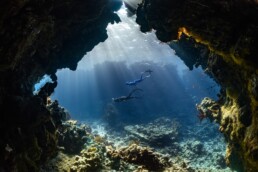
Guess what? Iceland in March is prime time for snorkeling and diving! One standout spot? The Silfra fissure in Thingvellir National Park. This freshwater spring boasts crystal-clear waters with visibility stretching over 300 feet (100 meters) – it’s like diving into a dream.
Now, brace yourself – the water temp hits about 35.6 F (2 C). But hey, don’t let that deter you! Snorkeling in Iceland? It’s a thrill like no other. People are flocking here for a reason – Iceland’s underwater beauty is simply mind-blowing!
But, before you gear up for some snorkeling fun in Iceland, here’s what you’ll need to tick off your checklist. Keep in mind, each tour provider might have their own twists on these rules:
For drysuit snorkeling:
You gotta be at least 12 but not older than 60. Height-wise, gotta stand at least 4 feet 9 inches (145 centimeters), and weigh in at a minimum of 106 pounds (45 kilograms). Oh, and you should be comfortable swimming, of course.
Now, for wetsuit snorkeling:
Minimum age bumps up to 14, and again, max age is 60. You need to stand about 4 feet 11 inches (150 centimeters) tall and weigh at least 110.3 pounds (50 kilograms). And yeah, gotta be a swimmer!
Switching to drysuit diving:
Ages 17 to 60, standing at least 4 feet 11 inches (150 centimeters), and hitting that 106 pounds (45 kilograms) minimum weight. Oh, and here’s the kicker – you either need at least 10 drysuit dives under your belt or be certified for it.
Most folks go for drysuits for snorkeling ’cause they offer better protection, but hey, some adventurers opt for wetsuits. Scuba diving? Always a drysuit gig. By the way, no diving or snorkeling if you’re pregnant. Plus, if you’re over 60, or over 45 and love your drinks or pipe, or have certain health history, waivers might be needed.
And hey, worry not! Experienced divemasters lead the tours. They’ll make sure you’re comfy with the gear and the chilly temps before you take the plunge.
Glacier Fun in Iceland in March
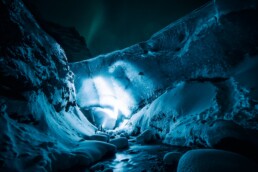
Iceland’s got these amazing glaciers covering about 11% of the place – and they’re a major draw for visitors.
When it comes to glacier hikes from Reykjavik, most folks head to the Solheimajokull glacier. It’s like this arm of the Myrdalsjokull glacier down on the South Coast, about 98 miles (158 kilometers) from the capital. And guess what? It’s not far from some epic sights like Seljalandsfoss and Skogafoss waterfalls and the Eyjafjallajokull volcano.
Now, here are two stellar ways to soak up Iceland’s glacier wonders: First, there’s the Solheimajokull glacier hiking tour. Then, there’s this 10-hour super jeep trip to the Eyjafjallajokull volcano and glacier. You even get a peek at the Solheimasandur DC plane wreck – pretty wild!
Oh, and there’s more! The glacier hike on the Falljokull glacier kicks off from the Skaftafell Nature Reserve in Southwest Iceland. It’s like heaven for hikers and a definite must-see for anyone craving Iceland’s natural beauty.
Snowmobiling in Iceland? Super thrilling and a total hit!
Most folks zip around on their snowmobiles on the Langjokull glacier, and some opt for the Vatnajokull glacier – it’s like the bigwig of European glaciers! For Langjokull, there are tours from Reykjavik or Gullfoss waterfall that you can join.
Here’s a cool hack: A bunch of travelers add snowmobiling to their Golden Circle tour. It’s like hitting two birds with one stone – you get the wonders of the Golden Circle and the thrill of snowmobiling!
Hey, if you’re headed to Iceland in March, caving tours are a must! Picture this: those lava tubes decked out with stunning ice formations—it’s like stepping into a frozen wonderland!
You’ve got icicles hanging above, and these ice stalagmites and stalactites make the caves feel straight out of a storybook grotto.
For an easy-breezy trip, there’s the family-friendly Vidgelmir lava cave tour or the Raufarholshellir lava tunnel cave tour. Both have smooth paths, making it a super relaxed adventure for everyone!
Horseback Adventures in Iceland in March
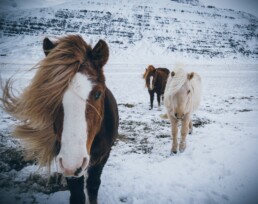
Horseback riding is big in Iceland, no matter the time of year. It’s not just a tourist thing; locals are into it too!
Riding an Icelandic horse? It’s like diving into the real deal of Icelandic life. These horses are a huge part of the country’s story and vibe.
Let me tell you about Icelandic horses—they’re something else! Tough as nails when the weather gets rough, but they’ve got a playful and smart side too. Meeting one? That’s like making a new buddy.
And here’s the kicker: these horses are famous for their fancy footwork! They’ve got five gaits, including this special move called the “tolt” that’s uniquely theirs. It’s like their signature dance move abroad.
Looking to saddle up for some horse riding in Iceland? There’s a heap of options to choose from!
Imagine trotting along Iceland’s incredible black sand beaches or riding with these beauties to unwind in the hot springs at Gufudalur Valley. It’s like stepping into a postcard!
Now, for a full-day adventure, why not blend horse riding with a Golden Circle tour? Or there are tours that toss in both whale watching and horse riding for an action-packed day!
Just so you know, while Icelandic horses are pretty tough and handle most weather, heavy snow in East and North Iceland might mean fewer riding tours happening there.
Sighting Marvels in Iceland in March
Iceland in March offers Loads to see. Nearly everywhere except the Highlands should be open for exploring. But hey, be ready for anything—the weather’s a bit of a wild card. Sometimes there’s flooding or a big snow dump, maybe even an avalanche, so stay tuned.Driving the Ring Road in March in Iceland
Cruising Around the Ring Road in Iceland in March
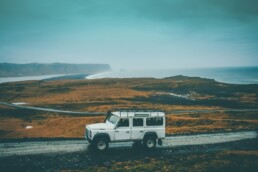
Now, the Icelandic Ring Road, or Route 1, is your go-to. You can usually cruise around the whole country in March. Go counterclockwise and you’ll hit the South Coast, cruise through the Eastfjords, zip across North Iceland, and then head down the western side (but don’t veer off to the Westfjords or Snaefellsnes Peninsula).
Most of the roads are well kept, no biggie. But watch out in the Eastfjords and the eastern side of North Iceland—those areas are a tad quieter and the roads might get snowy. So, keep an eye out if you’re heading that way!
Okay, listen up! The South Coast of Iceland? It’s like the hotspot! Loads of must-see spots right off Route 1.
You’ve got these epic waterfalls like Seljalandsfoss and Skogafoss, not to mention glaciers like Eyjafjallajokull and Solheimajokull, and those cool coastal features—the Dyrholaey rock arch and the Reynisdrangar sea stacks.
Most of these places are good to go in March, but heads-up! The paths around Seljalandsfoss might get icy, so watch your step. And, hey, if you’re checking out Reynisdrangar from Reynisfjara black sand beach, keep an eye out! Sneaky waves there are no joke and can be seriously risky. Just stay closer to shore, alright?
The South Coast leg of the Ring Road ends at the incredible Jokulsarlon glacier lagoon. March, April, it doesn’t matter—this place stays magical year-round!
Now, moving along the next stretch between Reykjavik and Akureyri, you hit the lush western region. And trust me, you’ll want to make a pit stop! Hraunfossar area, the cool Barnafoss waterfalls, the Deildartunguhver hot spring, and hey, the Vatnsnes Peninsula—where seal-watching is top-notch!
As you journey north, the Ring Road brings you to the Lake Myvatn area. Seriously, it’s like entering another world here! And for Game of Thrones buffs, this is your jackpot. Lots of GoT scenes were filmed here—think “North of the Wall” where Mance Rayder’s troops set up camp. Pretty epic, right?
Exploring the Golden Circle in Iceland in March
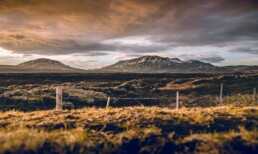
You can’t miss the Golden Circle in Iceland—it’s like the classic trip everyone raves about!
Easy to follow, even in March! This loop takes you to three big-time spots: Thingvellir National Park, Geysir Geothermal Area, and Gullfoss Waterfall.
So, Thingvellir National Park? It’s the only UNESCO World Heritage Site on Iceland’s main turf! This place? It’s where they kicked off the Althingi way back in 930—the oldest parliament ever!
And get this: it’s right between the North American and Eurasian tectonic plates. That’s why it’s got such epic geology, like the famous Silfra ravine. Like, seriously mind-blowing!
Alright, Geysir Geothermal Area—cool story! You know the word ‘geyser’? Comes from Iceland’s very own ‘Geysir’—it’s like the OG hot spring geyser here.
Geysir’s taking a break, but its sidekick, Strokkur geyser? Now that’s the star! It’s like clockwork, shooting water up over 66 feet every few minutes. And the area? It’s a hotpot of hot springs, steamy vents, and bubbling mud pits.
And then there’s Gullfoss waterfall! It’s like the rockstar waterfall of Iceland, everyone knows it. And March? Not too shabby for a visit! Imagine this beauty with icy rocks around and snow all over—it’s like stepping into a fairytale.
Oh, and guess what? There are plenty of side trips along the Golden Circle, more hidden gems and natural wonders waiting to be discovered!
Snaefellsnes Peninsula Adventures in Iceland in March
The Snaefellsnes Peninsula is open all year and draws a good crowd. People call it ‘Iceland in Miniature’ because it’s got a bit of everything packed in!
While mountain passes might be off-limits (better steer clear in March), you can still cruise along both sides of the peninsula.
Check out spots like Ytri Tunga beach—famous for its seals—Londrangar basalt cliffs, Snaefellsjokull glacier, Arnarstapi and Hellnar fishing villages, and Kirkjufell mountain. That’s just the start!
And hey, if this place casts a spell on you (which it probably will), why not bunk in Snaefellsnes? Makes sense to soak up every bit of its charm!
Embracing Eastfjords in Iceland in March
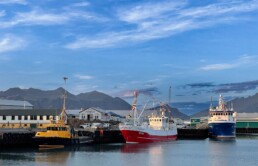
Okay, so March might not be prime time, but you could still sneak a peek at some of the East fjords—weather permitting, of course.
Sure, some roads might be snowed in, especially those high-up passes. But hey, you can still roll along the Ring Road and hug some coastal routes.
Stop by Egilsstadir, the bigwig town in the area. It’s your gateway to cool stuff like Hallormsstadarskogur forest and the mysterious Lagarfljot lake. And if luck’s on your side, you might hit up a few cute coastal villages—fingers crossed for good weather and clear roads!
Oh, and a heads-up: If you’re planning your own Eastfjords road trip in March, better snag a four-wheel-drive.
March Revelry: Icelandic Festivals and Traditions
Reykjavik in March? Buzzing! Lots of action happens in Iceland’s capital during this time. Plus, with Easter vibes lingering into March, locals often get a good chunk of days off to celebrate.
And hey, Iceland’s got some quirky traditions up its sleeve during this period! Ever heard of ‘Bun Day,’ ‘Explosion Day,’ or ‘Ash Day’? Trust me, joining in on these can really jazz up your trip and give you a taste of local flair!
Music Festivities: Battle of the Bands

Alright, check this out! Iceland’s got this Battle of the Bands thing, also known as the Icelandic Music Experiments. It’s like this showdown for up-and-coming bands in Iceland, you know, those with peeps between 13 and 25.
And here’s the kicker—it’s like the launchpad for some real success stories! Like, remember Of Monsters and Men? They totally rocked the competition in 2010 and boom! Less than a decade later, they’re global stars!
Only in Iceland: Mustache March

Speaking of unique months, November’s got this cool gig called ‘Movember’ or ‘No-Shave November.’ It’s a thing in many places, where dudes grow out their ‘staches to raise awareness about men’s health issues.
And get this—city buses even stick mustaches on their fronts! It’s all about spreading the word in style.
They go all out with funky ads, even a beard competition to raise funds. How cool is that?
So, if you’re swinging by Iceland in March, think about growing your ‘stache to blend in! Or hey, you can snag special socks around grocery stores and shops to show your support. It’s all about joining the beardy crowd for a good cause!
How’s the Weather like in Iceland in March?
Wondering about Iceland’s March weather? Well, it’s chilly! The temps usually hang around 28°F to 38°F (-2.2°C to 3.3°C)—pretty frosty, right?
Now, Reykjavik’s a tad warmer, but don’t be fooled. Even on its warmest days, it barely hits 54°F (12.4°C). And let’s not forget the chilliest recorded day—dropped to a shivering 9.5°F (-12.5°C)!
As for precipitation, you’re looking at about 3.3 inches (84 mm) on average every day. Rain’s the main player, but hey, snow’s been known to join the party too!
Daylight in Iceland in March
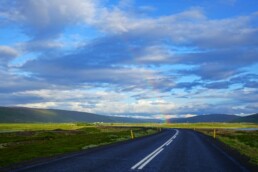
March feels like winter’s wrapping up, and daylight’s making a comeback. Check out how the sun’s doing its thing at the start and end of March:
March 1
Sunrise: 8:34 AM
Sunset: 6:46 PM
Daylight: 10 hours, 11 minutes
March 31
Sunrise: 6:48 AM
Sunset: 8:16 PM
Daylight: 13 hours, 27 minutes
March’s like, ‘Hey, here’s more sunshine for you!’ Longer days mean more time for fun and exploring. Isn’t that awesome?
Clothing Tips for Iceland in March

When you’re planning a trip to Iceland in March, brace yourself for a mixed bag of weather. One moment it’s all sunshine and the next, surprise—it’s raining! So, before you step out, grab those waterproofs and cozy layers to keep the weather woes at bay!
March in Iceland demands a wardrobe update—thermal layers, wind-resistant jackets, a trusty hat, and gloves that’ll make your hands happy. And don’t forget to check the weather forecast daily! While March usually dodges major storms, sometimes those windy surprises pop up, so stay tuned for any weather alerts!
Tour Options and Adventures for Iceland in March
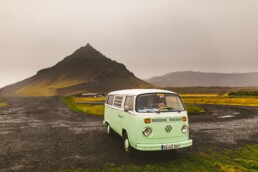
In March, tours in Iceland cover the best spots—think northern lights, icy caves, and stunning winter scenery. You’ve got options for how to enjoy these experiences on your Icelandic holiday.
One choice is booking a guided winter tour package. It sorts out everything—accommodation, transfers, and tours—before you arrive.
Another option is a self-drive winter tour. You’ll have a rental car to roam around and explore, but your itinerary and stays are pre-arranged.
For a mix of city life and country beauty, Reykjavik’s your base. There are cool day tours you can hop on from there to explore more of the country.
Common Queries About Iceland in March

How’s the weather in Iceland in March?
Iceland in March is like a crossover episode between winter and spring. Temperatures range from -1°C to 4°C (30°F to 39°F), so picture chilly winds and occasional snowflakes. Layer up with your warmest gear and pack those waterproof buddies—mother nature’s got surprises!
How’s the road situation in Iceland in March?
Curious about roads? Most stay open year-round, but rural ones might throw a snowy roadblock. Quick tip: peep the road conditions before you zoom off. And if you’re thinking of a four-wheel drive, that’s your snowy superhero!
Can You Drive Around in Iceland in March?
Taking a scenic drive across Iceland in March? Totally on the cards! Just watch out for those snow-covered twists and turns. Staying ahead with road updates is like having your travel fortune teller. And that trusty four-wheel drive? Your secret weapon against the icy surprises!
What are the Daylight Hours in Iceland in March?
Prepare for around 12-13 hours of daylight! The sun says hello around 7:30 AM and waves goodbye about the same time you’re thinking of dinner, around 7:30 PM. More sunlight? That’s extra time to explore and dive into outdoor adventures!
What are the Best Attractions in Iceland in March?
Winter in Iceland is an absolute playground! Think snowmobiling, hiking on glaciers, and climbing ice walls. Plus, you can’t skip the headline acts like the Northern Lights, ice caves, and those heavenly hot springs. Oh, and the Golden Circle route? It’s like the ultimate highlight reel with the Geysir geothermal area and the jaw-dropping Gullfoss waterfall.
What are the Best Winter Sports and Activities in Iceland in March?
If you’re all about that winter sports vibe, March’s your month! It’s the prime time for snowmobiling, glacier hiking, and ice climbing.
What are some unique experiences to have in Iceland in March?
March in Iceland has some gems you wouldn’t want to miss. Picture yourself dog sledding or drilling a hole into a frozen lake for some ice fishing fun. And hey, ever been inside an ice cave? That’s another must-do! The wintry landscapes here are a painting waiting to be explored, and if you’re lucky, catching the Northern Lights is like witnessing magic in the sky.
Can you see the Northern Lights in Iceland in March?
Speaking of those dancing lights, they might just make an appearance in March. But remember, they’re natural performers, so there’s no guarantee they’ll take the stage every night.
What are the cultural events or festivals in Iceland in March?
Don’t miss out on the Reykjavik Food and Fun Festival! It’s a culinary extravaganza where top-notch chefs cook up a storm in the city’s finest restaurants. Plus, there are music battles, Easter celebrations, and even some St. Patrick’s Day cheer in Reykjavik. Lots to soak in!
What should I pack for a trip to Iceland in March?
Packing for Iceland in March is like getting ready for an epic snow adventure! Think heavy-duty coats, layers to keep you toasty, gloves, and a hat—stuff that says, “I’m taking on Iceland’s chill.” Waterproof boots? Absolutely. You’ll thank yourself when those icy roads come your way. Oh, and don’t forget your camera and binoculars for those incredible sights and a charger to keep your phone alive.
Is it a good time for budget travelers to visit Iceland in March?
Budget travelers, listen up! March is the secret treasure trove. It’s the off-season, which means some hotels and tours might toss out some sweet deals. But hey, it’s still Iceland, so don’t expect it to be a steal.
Are there any restrictions or closures in Iceland in March?
March in Iceland’s pretty cool, but heads up, some spots might have quirky hours or even shut down, especially if they’re in the middle of nowhere. A quick check before heading out could save some surprises!
Can I see puffins in Iceland in March?
Puffins? Nah, not their time yet. But you might get lucky spotting other birds, like the snow bunting, hanging around!
Is there anything else I have to be aware of when traveling to Iceland in March?
The right clothing’s crucial. Roads might ice over, daylight hours are limited, and those avalanches, gotta be mindful of those. And hey, keeping an eye on travel updates is a smart move!