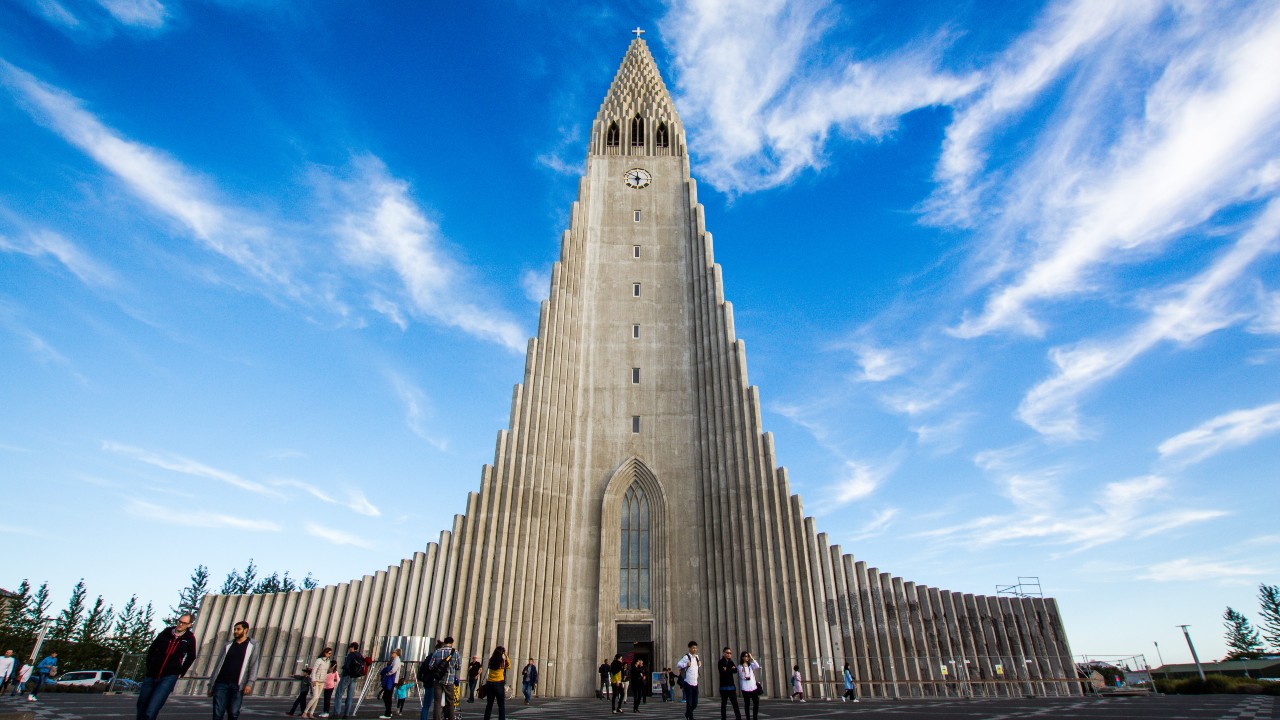


27 Fun Facts About Iceland
26 Fun Facts About Iceland
By Michael Chapman
How much do you know about the land of ice and fire?
26 Fun Facts About Iceland
By Michael Chapman
How much do you know about the land of ice and fire?
Iceland is a place like no other. Boasting a natural beauty that is both homely and alien and a cultural history rich with fascinating titbits and quirks, this island draws such phenomenal interest that it has reached almost mythic status.
No wonder then that fun facts about Iceland articles are ten-a-penny…
But how much does one really know about this place besides being able to recognise it from widely-shared photographs and videos? What makes the Icelanders tick, and how has living in this strange and beautiful land shaped their national character?
Without further ado, let’s take a look at 26 fun facts about Iceland.
26 Fun Facts About Iceland
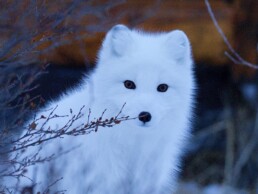
1) Iceland’s only native mammal is the Arctic Fox, thought to have crossed over from mainland Europe during a former ice age. Throughout this period, it is thought there were sufficient ice floats between the continent and Iceland so as to make migration population. Similar events sometimes occur with Polar Bears from neighbouring Greenland, though Arctic Foxes have long been able to sustain themselves on the island’s rich bird population.
2) The word Jólabókaflóð means Christmas Book Flood, and refers to that festive end of year period where Icelanders publish hundreds of new books, ready for reading over the holidays. Icelanders are incredibly passionate about literature, with roughly one in ten people will have published a book during their lifetimes.
3) Most local people can trace their lineage back to the Viking Age thanks to the Islendingabok, the Book of Icelanders, a meticulous online record of each generation. Thanks to a nationwide collection of surveys, obituaries and court documents, Icelanders can now trace their family back hundreds of years with a quick check of the internet.
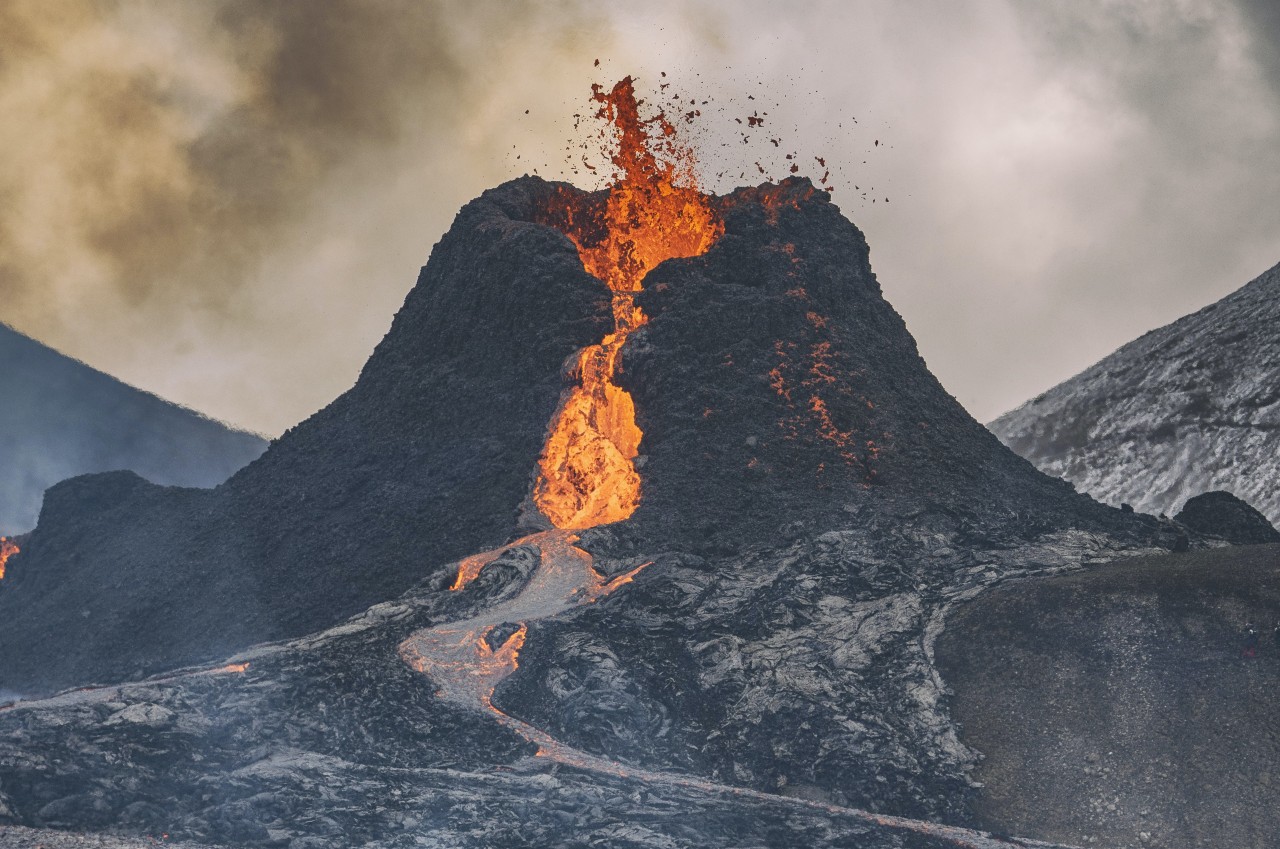
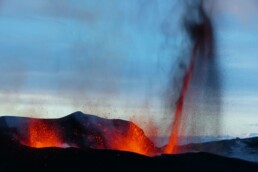
4) Iceland is a volcanic island with over 130 active volcanoes. The largest is Bárðarbunga, which can be found in South Iceland’s Vatnajökull National Park.
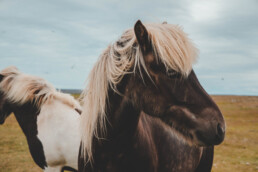
5) Any Icelandic horse that leaves the country is forever forbidden to return; such are the strict protocols that regulate breeding in Iceland. The Icelandic horse is among the world’s purest bred breeds, having been isolated for over 1000 years. Icelandic horses are small and muscular in stature and are capable of performing five unique gaits.
6) Beer was illegal in Iceland until 1989. While those abroad necked golden pints without ever considering doing otherwise, Icelanders were forced to make do with home-brewed spirits, as well as any other alcoholic treasure smuggled in.
PLAN YOUR JOURNEY
Travelling to Iceland?
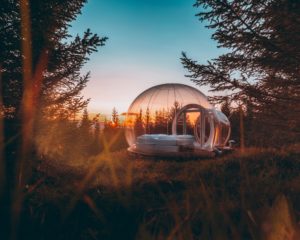
Check our overnight tours with a driver guide that includes a one night stay in a bubble.*Starting from ISK 74.900 per person
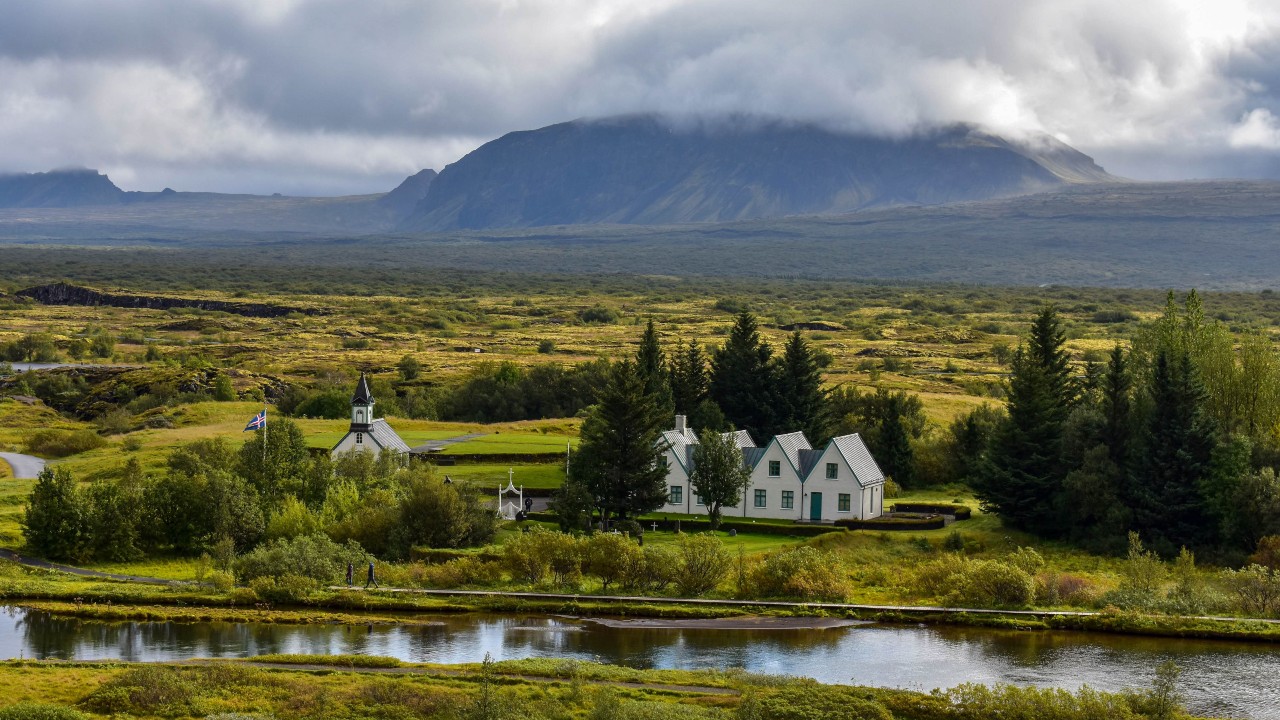
7) Iceland is said to have the world’s oldest parliamentary documentary, the Althing, which formed amid the lava rocks and exposed tectonic plates of Þingvellir in 930 AD.
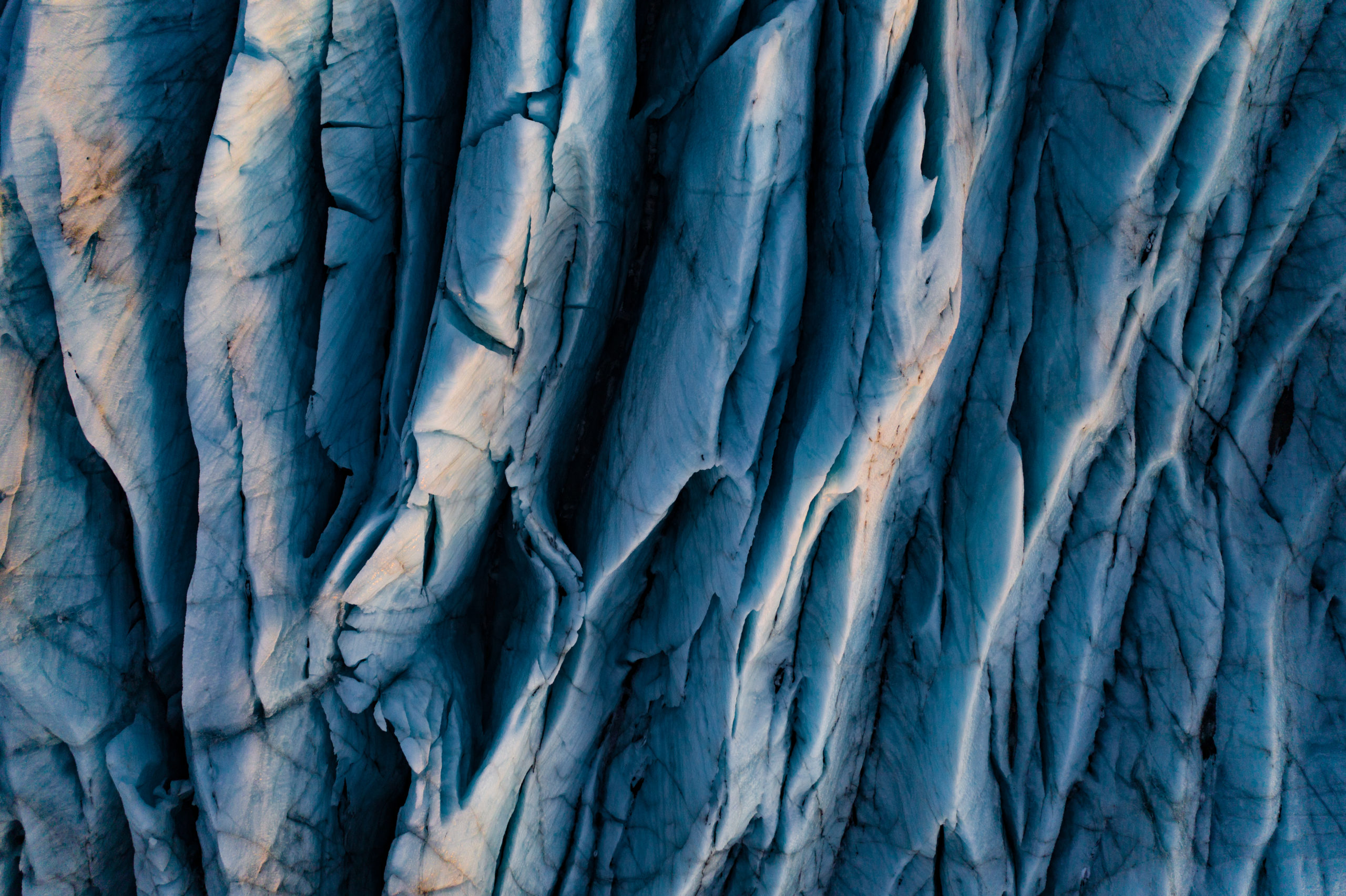
8) Visitors can find Europe’s largest glacier in Iceland. Known as Vatnajökull (“Water Glacier”), this enormous force of nature covers approximately 8% of the country’s total landmass, swallowing valleys, mountains and volcanoes beneath its dense layer of ice.
9) Iceland does not possess an army, air force or navy, instead relying on the defence capabilities of NATO (North Atlantic Treaty Organisation). It does, however, have a coast guard which has previously seen action in a series of conflicts with the United Kingdom known as ‘The Cod Wars’. Iceland emerged as the victor of this dispute over fishing rights, and no one has dared challenge this fearsome Viking nation since.
10) The Icelandic language is relatively unchanged from Old Norse, which has been spoken on this island for over a thousand years. Icelanders will often merge terms to describe new words, creating portmanteaus that are as striking as they are creative. For instance, the word for ‘computer’, which is tolva, can be translated to ‘Numbers Witch.’
11) There are only two places on earth that do not have mosquitoes; Antarctica and Iceland. There are also no snakes, scorpions or poisonous spiders, which can be some relief when weighing up where in the world to visit next.
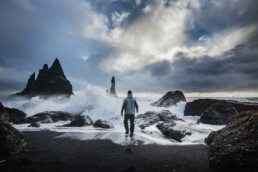
12) Iceland is a popular shooting location for Hollywood productions. Ridley Scott used the waterfall Dettifoss in his Alien-prequel, Prometheus, while the black sand beaches of the south provided an interstellar backdrop for Star Wars: Rogue One. Game of Thrones also used several locations in Iceland, many of which can be found nearby South Iceland’s Golden Circle sightseeing route.

13) There is not a single McDonald’s restaurant to be found in Iceland. The most popular fast food here is Domino’s pizza, swiftly followed by KFC, though Subway operates more stores than any other franchise. Those who can’t imagine staying somewhere where beef patties aren’t readily available, Icelandic fast-food chains, including Aktu Taktu and Tommi’s Burger, can all help temper that craving.
14) According to the latest surveys, only 31% of Icelanders now believe in elves, or Huldufolk (“Hidden Folk”). With that said, the number of those who would not willingly speak out against Iceland’s elves is far more extensive. To this day, certain areas are still considered linked to the elves, so they must be avoided when laying roads and infrastructure.
15) Iceland had the first elected female head-of-state, Vigdís Finnbogadóttir, who held office as President between 1980 to 1996. Iceland was also where the first elected openly-gay prime minister, Jóhanna Sigurðardóttir, attempted to repair the fallout of the financial collapse that occurred one year prior to her taking the role.
16) Iceland is among the few places on the planet where one can witness the Northern Lights in action. According to local folklore, if two lovers conceived a baby beneath the auroras, then it would likely be born cross-eyed. (Just a word of warning for visiting couples looking to get close beneath this cosmic light show).
17) Most native Icelanders do not have surnames but instead have patronymic and matronymic last names. If you were to lookup an Icelandic person in the local telephone registry, you would have to rifle through the first and middle names to locate them. Parents can only choose their child’s name from a list compiled by the Icelandic naming committee, an issue that has caused some division in local politics in the past.
18) The towering rock faces of Látrabjarg, located in the remote and ancient Westfjords region, marks Europe’s tallest bird cliffs, as well as its westernmost point. Visitors can spot many species here including the Arctic Skua, guillemots and Atlantic Puffins.
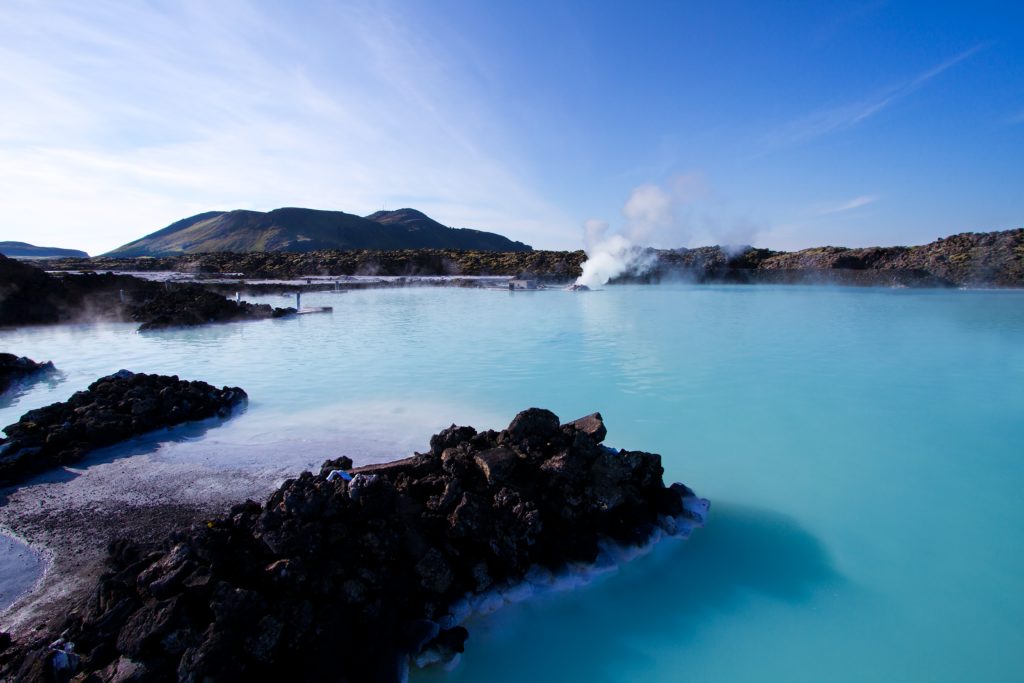
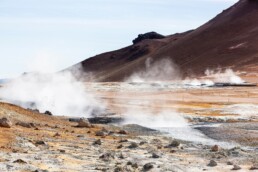
19) Icelanders have a long history of bathing in geothermal baths, and to this day, consider a visit to the swimming pool and saunas top among social activities. Beware; there are strict rules about showering naked before taking a dip, so the prudish among you should be wary. This is no joke; changing room guards regularly watch out for anyone trying to skip out on hygiene. Iceland’s oldest outdoor swimming pool, The Secret Lagoon, can be found as part of the Golden Circle sightseeing route.
20) Over two-thirds of Iceland’s 360,000-strong population live in the Capital Region. The vast majority of towns and villages in Iceland are located along the coast, with the Highlands left uninhabited. (How are these for some fun facts about Iceland?)
21) Iceland is considered at the forefront of sustainable energy, with most homes and buildings being heated through geothermal or hydro-electrical means.
22) According to local Christmas traditions, there are 13 Santa Clauses called the Yules Lads, who bear somewhat unappealing names like “Sausage Snatcher” and “Window Peeper”. To make the holidays more uncomfortable, a giant Yule Cat stalks the countryside, ever on the hunt for children who have not been gifted clothes for Christmas.
23) Icelanders have a reputation for being beautiful specimens. The Miss World competition has seen four Icelandic champions in the run; Hólmfríður Karlsdóttir, Linda Pétursdóttir and Unnur Birna Vilhjálmsdóttir. Guðrún Bjarnadóttir, paved the way for those who would come after, having won Miss International in 1963.
24) Icelanders are also known for their strength. The World’s Strongest Man’s Hall of Fame has only six members as of 2020, with two of them from Iceland; Magnus Ver Magnusson and Jon Pall Sigmarsson. Another strong man of note is Hafthor Julius Bjornsson, who, aside from having won the World’s Strongest Man, famously played The Mountain in Game of Thrones.
25) When counting only those of sovereign states, Reykjavik is the planet’s northernmost capital. The city is relatively temperate throughout much of the year, though the winter is often a different story altogether.
26) On the Westman Archipelago, south of the Icelandic mainland, guests can observe the world’s largest puffin colony. These tiny tuxedoed birds arrive en masse during the summer, leaving behind their solitary lives on the waves. There are an estimated 8 – 10 million puffins in Iceland throughout this period, which accounts for roughly 60% of the earth’s population.
27) During the summer, Iceland experiences up to 24 hours of daylight, courtesy of the Midnight Sun. Such a wealth of sunlight allows for guests to spend much longer on the road, as well as enjoy natural sites and attractions well into the night.
If you are looking to learn more fun facts about Iceland, we suggest checking some of our feature articles. Should, for instance, you be looking to know about the auroras, then The best places to see the Northern Lights in Iceland will surely be a fine companion.
Alternatively, if the sightseeing, or any other attraction in South Iceland, has piqued your interest, might we direct you towards The Golden Circle in Iceland | All You Need to Know. Even About Iceland’s Breathtaking Black Sand Beach has plenty of fun facts about Iceland worthy of reading!
Whatever side of this island has you longing to know more, nothing can substitute a real visit; appreciating the people’s friendliness, the drama and poetry of the landscape, the fresh air and wide-open spaces is all something that guests must experience first hand.
Fun facts about Iceland can only get you so far. Nothing compares to the real thing.
PLAN YOUR JOURNEY
Travelling to Iceland?
Check our overnight tours with a driver guide that includes a one night stay in a bubble.*Starting from ISK 74.900 per person

Your Perfect Iceland Honeymoon | Stay in a Bubble
Your Perfect Iceland Honeymoon | Stay in a Bubble
By Michael Chapman
Connect with nature and each other at this novel accommodation choice in South Iceland.
Your Perfect Iceland Honeymoon | Stay in a Bubble
By Michael Chapman
Connect with nature and each other at this novel accommodation choice in South Iceland.
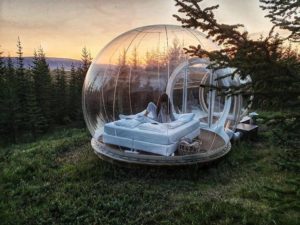
When two people fall madly for one another, it is said that they enter what’s called a ‘love bubble.’ Well, we have taken that concept and transformed it into one of the most alluring overnight stays guests can book when visiting this gorgeous country—a transparent bubble!
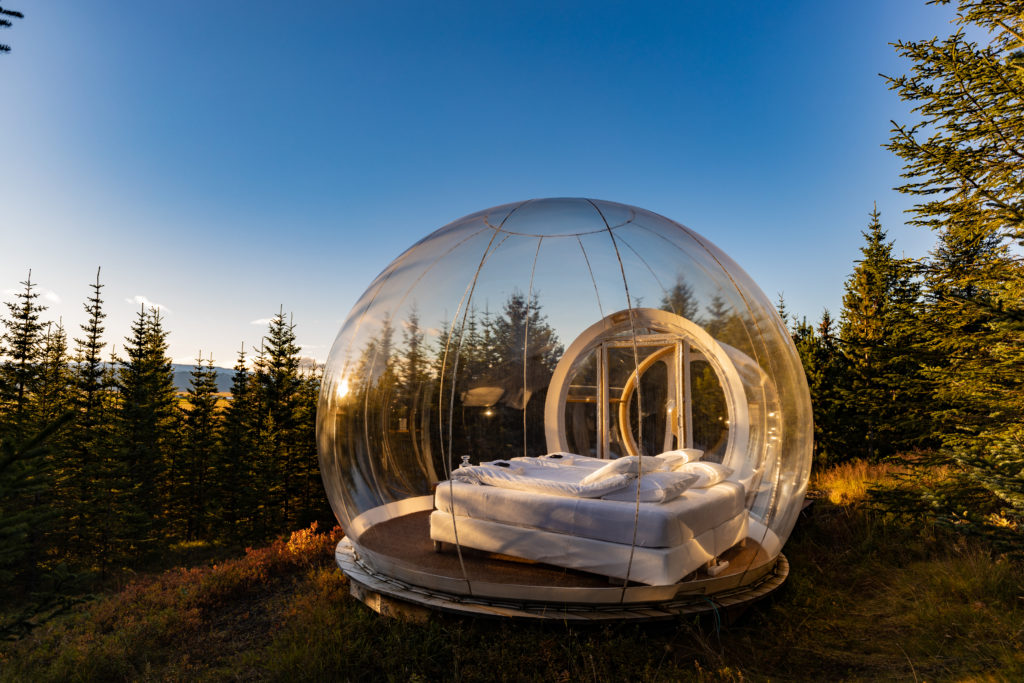
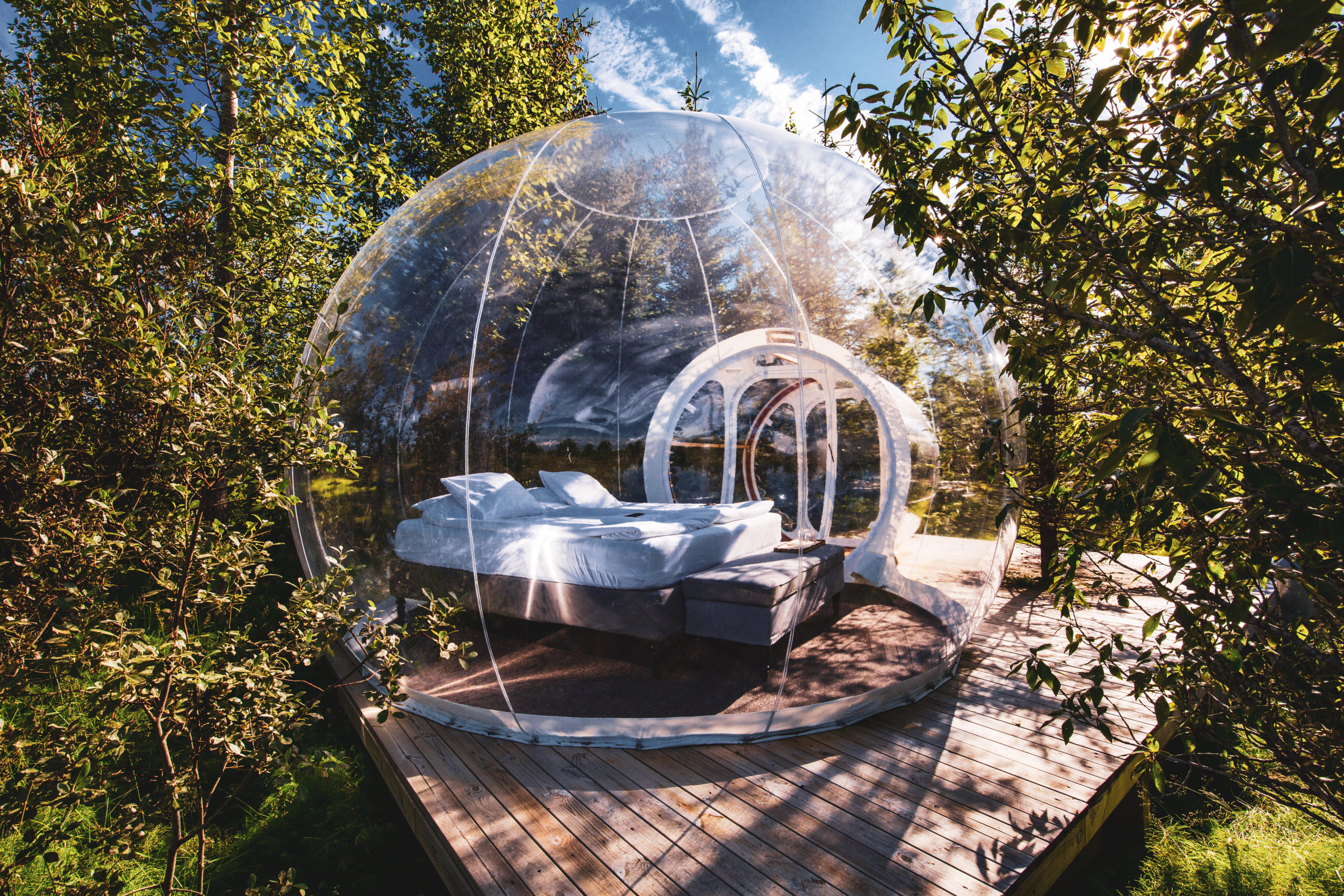
Newlyweds looking for the perfect Iceland honeymoon need look no further than our two prime locations in South Iceland. Each Bubble is inflated in much the same way as a child’s bouncy castle, then heated and decked out with a comfortable bed to make sure your shared stargazing is an experience to remember.
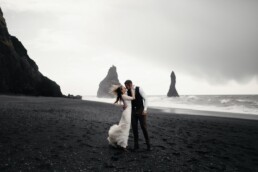
Just before arrival, you’ll both be informed where you are staying, leaving the element of surprise intact—important for any long-term relationship. With that, your Iceland honeymoon will be off to a flying start, the beginning of an adventure that will be remembered for years to come.
Whichever Bubble site is chosen for your Iceland honeymoon, your accommodation will be close by to the many attractions and activities that make the south so beloved by many.
Why choose Iceland as your romantic getaway?
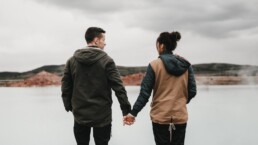
It goes without saying that Iceland is among the world’s most romantic destinations.
Enchanting waterfalls, lush valleys, bewitching black sand beaches and deserts; all await for those who seek them. Driving region to region, guests will discover how barren lava fields seamlessly merge into quaint farmlands and woodlands, all while remaining uniquely Icelandic in their character.
South Iceland, in particular, has become the favoured region for sightseeing, thanks not only to its plethora of enticing natural attractions but also its easy accessibility from the Capital Region. More than that, the south is diverse and full of life, a fantastic and eclectic region that would take days to fully explore with a partner.
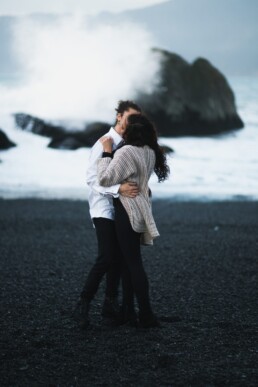
Spellbound, you and your better half will find no end of hidden secrets travelling through here. Glaciers lagoons, glittering beneath the Midnight Sun, or dark volcanic shorelines, bordered by tall cliff sides, both make for beautiful settings in which to fall in love.
So too does a vast field of moss-blanketed lava rock or a towering promenade that looks out over the Atlantic ocean’s crashing blue waves.
Whatever bend of the road one takes in Iceland, scenery and atmosphere culminate to create a destination perfect for adventurous lovers. No wonder so many people fantasise about their very own Iceland honeymoon, a fairytale getaway in a land straight out of a fantasy book.
PLAN YOUR JOURNEY
Travelling to Iceland?
Check our overnight tours with a driver guide that includes a one night stay in a bubble.*Starting from ISK 74.900 per person
See the Northern Lights from a Bubble

Don’t be under any illusions that Iceland won’t entrance you and your partner. In fact, it is impossible to describe that feeling of grateful connectedness that comes with experiencing this island’s nature, of which there is no more magical example than the Aurora Borealis.
Each Bubble is set some distance apart from one another to help your chances of witnessing the lights. Such positioning helps bolster the peaceful solitude of your Iceland honeymoon, maximising the silence and darkness around you.
It is at night when our Bubbles genuinely shine, offering cosmic sights that truly put it above and beyond any mere hotel or guesthouse!
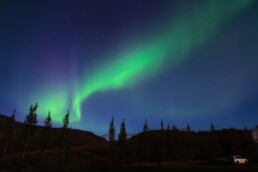
All those who have witnessed this miraculous occurrence can attest that seeing the Northern Lights is an experience like no other. In one of our bubbles, guests will have more time to observe the skies than they would if they were driving themselves or taking part in a guided tour, and that’s not to mention the cosy, comfortable surroundings of their stay.
Even on those unfortunate occasions when the auroras do not make an appearance, a vast blanket of twinkling stars will be on-hand to dazzle you; its constellations clear and mystical against the night’s jet-black sky.
They don’t call us the 5-million star hotel for nothing, after all!
Experience South Iceland’s Golden Circle sightseeing route
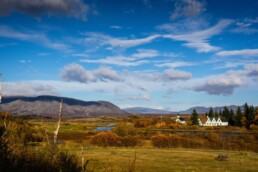
The Golden Circle is Iceland’s most famous sightseeing route, incorporating three major sites that draw visitors in their thousands. The first of these is the UNESCO World Heritage site Þingvellir National Park, a sweeping and unique region of gnarled volcanic meadows and crystal-clear glacial ravines.
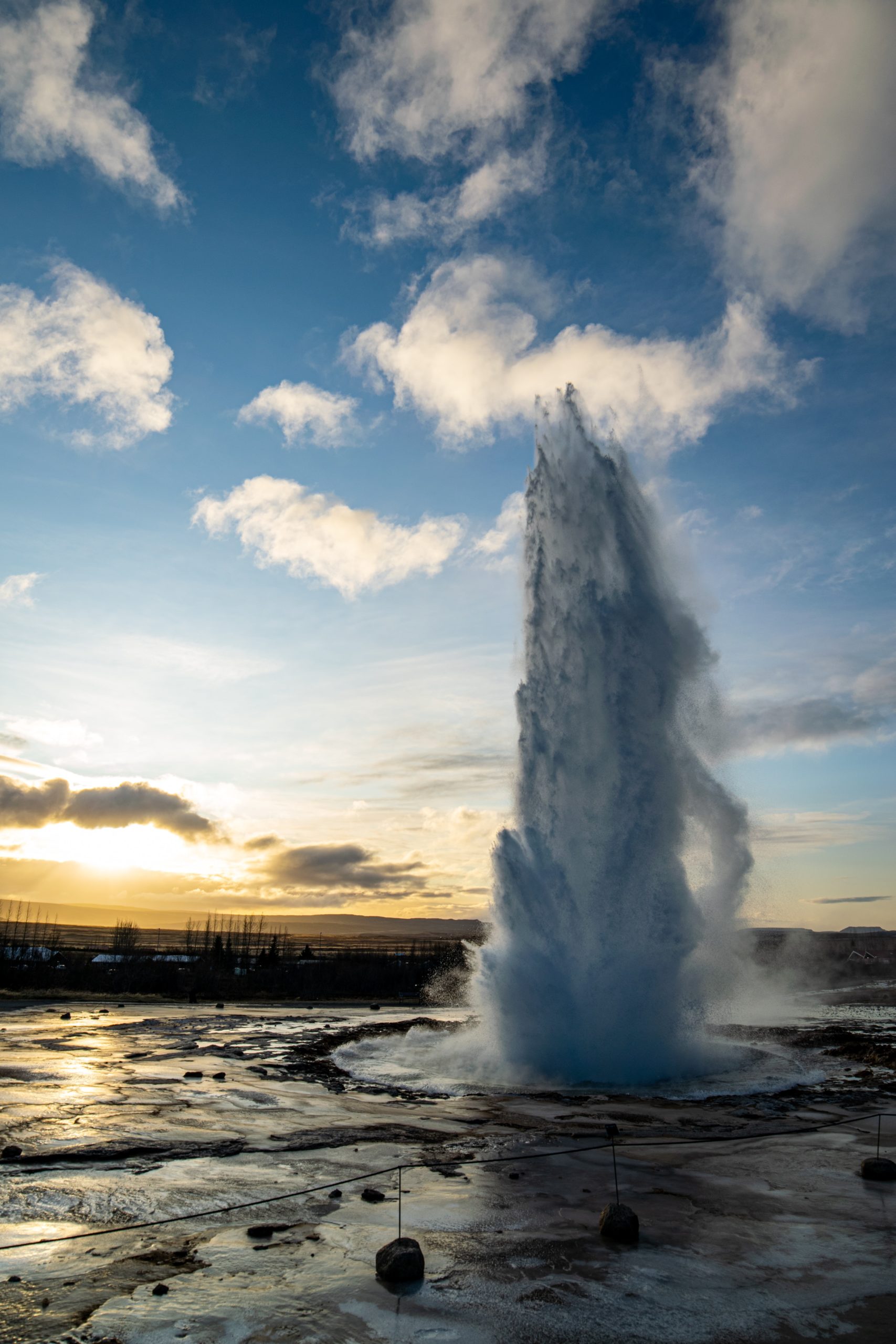
After Þingvellir, guests travel a short distance to Geysir geothermal springs, a lively, steam-filled valley composed of sputtering mud pools and hissing fumaroles. Strokkur is, by far, the greatest spectacle here, erupting boiling water into the air every ten minutes, give or take a few.
Next up is the powerhouse, Gullfoss waterfall, marking the third and final part of the Golden Circle route. Dropping 32-metres into a mist-filled canyon, this epic features cannot help but inspire awe and admiration in all those who witness it.
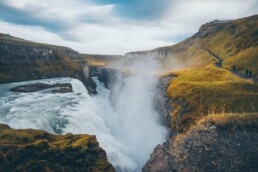
We recommend booking a Golden Circle bubble tour with us to experience all that this great region has to offer, plus bag yourself a night in one of our beautiful Bubbles.
During the tour section, our guides will lead you from one exciting stop to the next, sharing with you fascinating tidbits of information en route, as well as stopping for lunch at the fantastic Mika restaurant in Reykholt.
What does staying in a Bubble overnight offer guests?
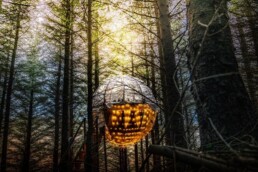
New couples, honeymooners, or anyone celebrating many happy years together will all find something to treasure at our bubbles.
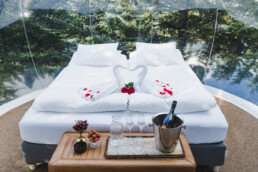
Perfect for two people, each Bubble offers comfort in the form of a 180-cm wide bed that sits centre of the floor. Minimalist in its design, but with an instantly knowable Scandinavian feel, you will be left free of distraction, able to focus on the skies above you and, of course, each other.
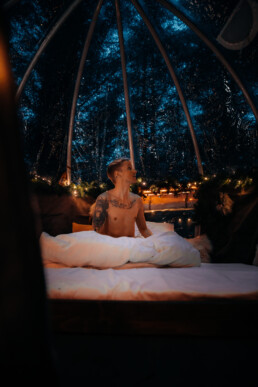
Laying back in on our plush mattresses, you will have the full scope of your surrounding environment. Birch trees enclose the Bubble itself, offering privacy and seclusion amid nature while rolling farmlands and distant hills make for fantastic views regardless of the season.
Those visiting in summer will be privy to all the delights the season has to offer; chirping birds and fluttering butterflies, berry bushes ripe with fruit, and clear blue skies decorated with puffy white clouds that saunter lazily overhead.
Given the Midnight Sun will provide extended daylight hours, we will provide you with a sleeping mask when it comes to time to drift off in one another’s arms.
Extra treats to make your Iceland Honeymoon special.
As if staying in a transparent bubble wasn’t enough, there are plenty of ways to take your Iceland honeymoon to the next level.
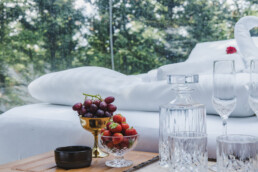
For a little extra, we will provide you and your beloved a delicious selection of culinary treats; bunches of grapes, plush strawberries, and, of course, a box of succulent chocolates will all be waiting for you upon arrival.
To wash it down, we’ll also leave a complimentary bottle of Prosecco, chilled and presented in an opulent leather box. Alternatively, we have a wide selection of non-alcoholic sparkling teas and even local craft beer from nearby Ölvisholt Brewery.
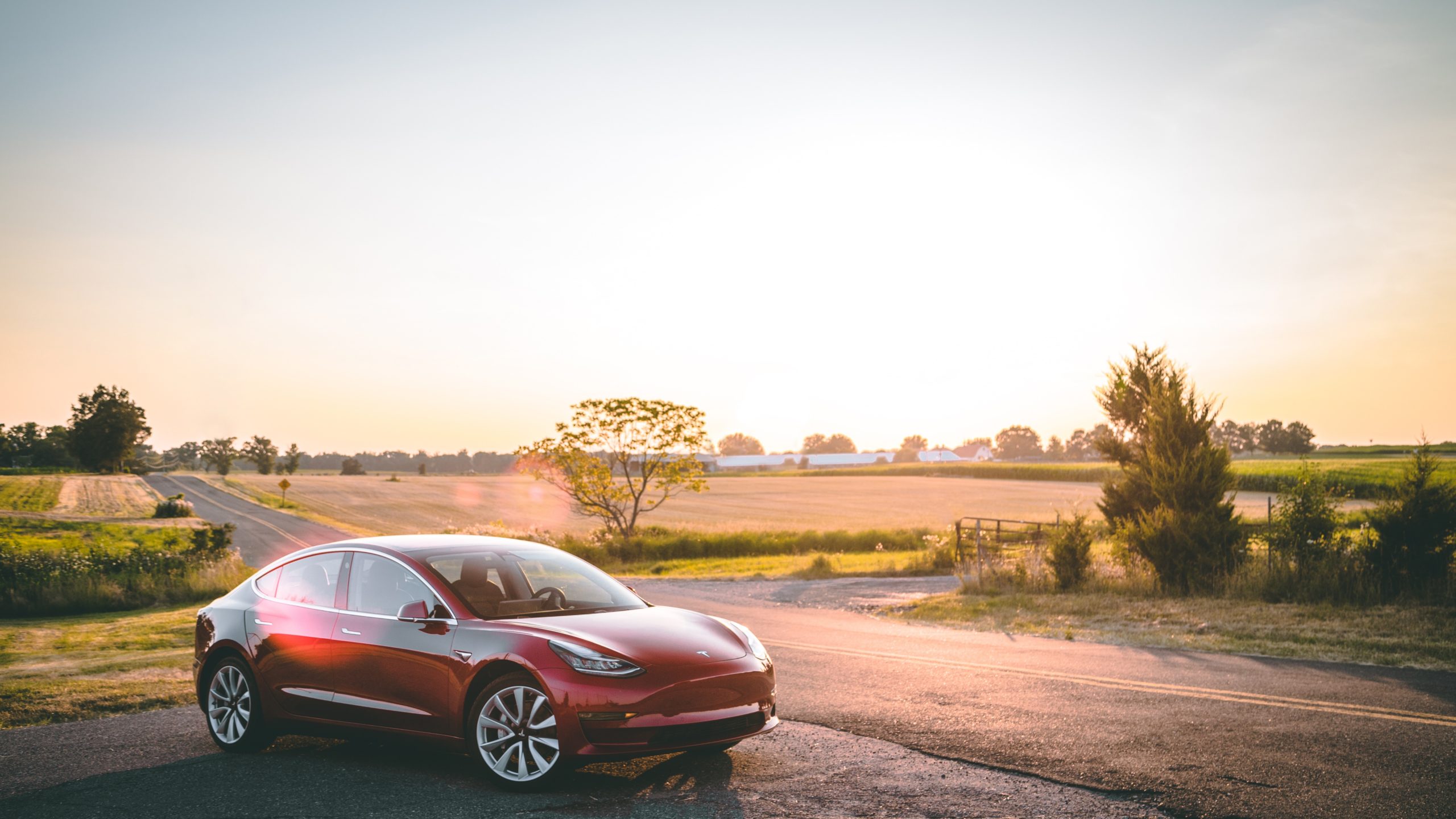
If you decide to take part in our Golden Circle bubble tour, you will also have the pleasure of being driven from site to site in a luxury Tesla SUV. These are the same vehicles used in the US President’s motorcade, so you can be sure of feeling valued and looked after from the comfort of the passenger’s seat.
Whatever your tastes, we’ll make sure you leave the Bubble satisfied, looking back on your Iceland honeymoon with fond memories and greater bonds with those around you. But more importantly than that, we want to throw fire on the furnace that is your love for another.
After all, what emotion but love could describe the feelings that come with soaking together in a bubbling hot tub, or dining opposite ends of the table at one of Reykjavik’s most intimate and applauded restaurants, or even setting off, hand in hand, to seek out Iceland’s best kept secrets?
PLAN YOUR JOURNEY
Travelling to Iceland?
Check our overnight tours with a driver guide that includes a one night stay in a bubble.*Starting from ISK 74.900 per person
Dyrhólaey | Hidden Gems of South Iceland
Dyrhólaey
By Michael Chapman
Discover its birdlife, lighthouse and dramatic rock arch
Dyrhólaey
By Michael Chapman
Discover its birdlife, lighthouse and dramatic rock arch
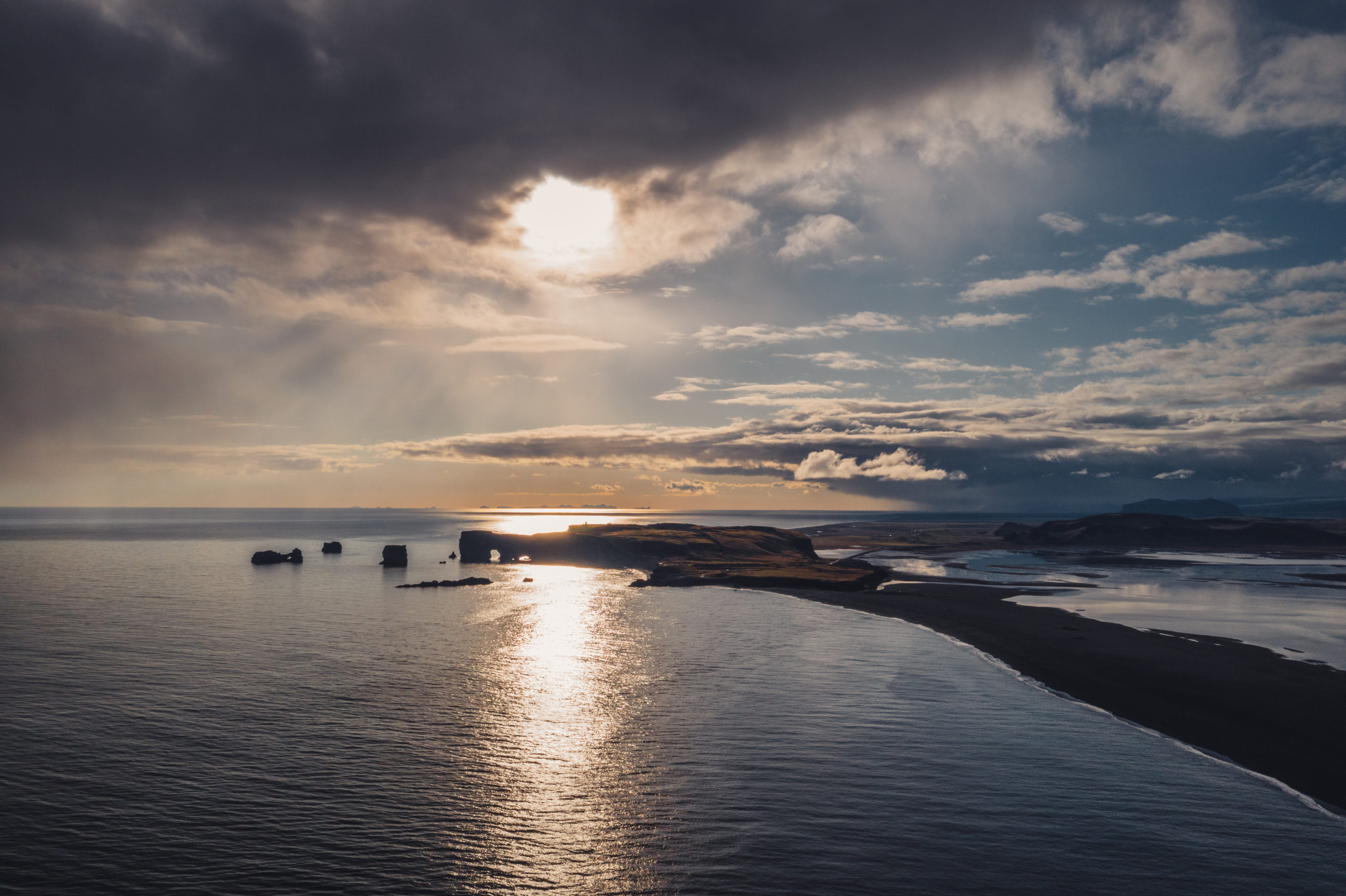
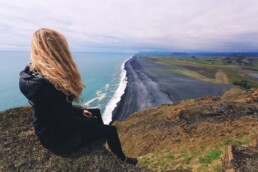
Dyrhólaey is a scenic promenade that marks Iceland’s southernmost point. In former years, English seamen referred to Dyrhólaey as Cape Portland, celebrating its appearance as the final sign their voyage had come to an end.
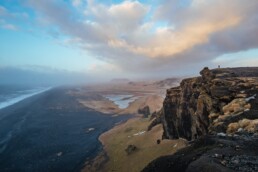
Dyrhólaey reaches a total elevation of 120 metres, making for staggering panoramas over neighbouring Reynisfjara black sand beach. Thanks to its close proximity to Iceland’s Ring Road, most visitors will stop at Dyrhólaey in between this famous stretch of shoreline and the village of Vík í Mýrdal.
From Iceland’s capital, Reykjavík, Dyrhólaey is 174 kilometres away, which equates to a two-and-a-half-hour drive. This distance should not be in the slightest off-putting; the route is dotted with spectacular sights and points and interest from beginning to end.
Dyrhólaey itself boasts incredible views over the South Coast’s black sand shorelines, with clear days providing a full scope of the mountains and sea-cliffs that run parallel to Route 01. Looking north, visitors can witness the creeping ice of Mýrdalsjökull glacier, while to the east, the black totem stacks of Reynisdrangar point skyward like devilish fingers.
Dyrhólaey Rock Arch
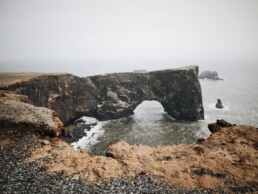
Upon arriving at Dyrhólaey, guests will instantly witness the enormous, naturally-formed rock arch that sits directly below the promontory. This 100-metre wide geological spectacle gave Dyrhólaey its name, Door Hill Island, which also hints at the cape’s past as a cut-off from the mainland.
Surrounded by soaring seabirds, its basalt legs hammered by the frothing white waves of the Atlantic Ocean, one must take a moment to breathe in this spectacular feature for all its worth. With salt circling the nostrils and wind in your hair, you’ll appreciate just how stunning it is, what elemental erosion can do to rock over thousands of years.
Dyrhólaey’s rock arch bores such a gaping hole that smaller vessels have no issue sailing beneath through it. In fact, a thrill-seeking pilot managed to fly both himself and a passenger through the rock arch using a small aircraft way back in 1993, only demonstrating the epic nature of this feature.
PLAN YOUR JOURNEY
Travelling to Iceland?
Check our overnight tours with a driver guide that includes a one night stay in a bubble.*Starting from ISK 74.900 per person
Dyrhólaey Lighthouse
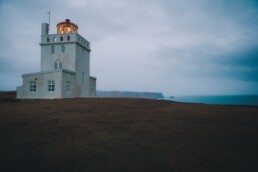
The cape is also known for its picturesque lighthouse. Dyrhólaeyjarviti, as it’s known in the mother tongue, is the second lighthouse built on-site, serving as a replacement to the steel edifice first constructed here in 1910.
Seemingly inspired by ancient Mediterranean forts, the lighthouse seamlessly integrates with the landscape around it, making for a great photography subject with its white paint-job and scarlet roofing. Many compare the structure to a castle with its open embrasures, though it only reaches a total height of 13 metres.
The lighthouse was designed by the Icelandic State Architect, Guðjón Samúelsson, who was also responsible for some of the Capital’s most iconic buildings; Hallgrimskirkja Lutheran Church, Sundhöll Reykjavík swimming pool, and the National Theatre, being just a handful.
See Atlantic Puffins at Dyrhólaey
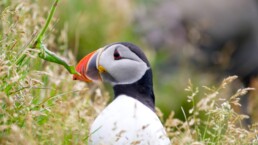
Atlantic Puffins are migratory species, meaning they will only arrive in Iceland from around April-May. Their winters are spent alone, far out at sea, bobbing on the waves and pecking at the odd fish that shimmies by. Guests on whale watching tours out-of-season will often see these tiny birds floating alone, in between glimpses of this island’s larger marine wildlife.
When they return to land, they do so to nest and breed. The baby Puffins born here (known officially, and adorably, as Pufflings) will grow up to be part of the 8-10 million that routinely travel back and forth to this island.
Atlantic Puffins are monogamous animals and so will have one partner throughout their lives. This fact boggles the mind somewhat considering how these birds can find one another, year after year, despite the distances travelled and the sheer number of waddling lookalikes around them.
Dyrhólaey is just one place in Iceland that the Puffins like to summer, with other favoured spots being the tall cliff sides of Latrabjarg, in the Westfjords, and Heimaey, the largest of the Westman Islands.
Other birds commonly spotted at Dyrhólaey promenade include Eider Ducks, Arctic Terns and Skuas. Dedicated twitchers will want to bring their own binoculars for the best views of the birds in their natural habitat.
Speaking of Puffin watching, it should be noted that access to Dyrhólaey during the nesting season (May-September) is limited due to the risk of nest abandonment and environmental damage. However, guests are free to use the specified walkways between the hours of 7PM and 9 AM, as overnight visitors are considered less disruptive overall.
Safety tips for visiting Dyrhólaey
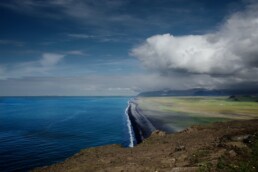
Iceland. However, there are a few other considerations to account for before cementing this as a surefire stop on your schedule.
Families with small children might want to consider that the cliff sides at Dyrhólaey have no safety boundaries, meaning it is, theoretically, possible to walk right up to the edges. If you are planning to visit with kids, it is essential that you warn them of the dangers of getting to close and keep watchful of them throughout your stay.
Another safety tip to keep in mind is that Dyrhólaey is totally exposed to the sea, meaning it bears the brunt of strong winds almost constantly. Driving up the steep and winding gravel road towards the lighthouse can be unnerving on windy days, so a 4×4 vehicle is always recommended. Even if that’s the case, easily-frightened visitors might consider skipping this in favour of interests further inland.
A quick glance over TripAdvisor will quickly inform you most people consider conditions at Dyrhólaey to be bracing. For that reason, you will want to make sure you are dressed appropriately in a wind and waterproof jacket, sturdy hiking boots, thick thermal layers and the other usual accessories (eg. hats, gloves and scarf).
Explore Dyrhólaey on Iceland's South Coast
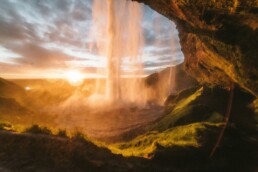
Of course, Dyrhólaey is just one of the many natural attractions located on the South Coast. Others that have become popular among visitors over recent years include the two stunning waterfalls, Seljalandsfoss and Skogafoss, and the widely-photographed DC-Solheimasandur plane wreck.
If you are interested in exploring this majestic region, make sure to book a South Coast Bubble tour with us. Not only will you bag yourself a guided trip that includes stops at all the major sites, but also an overnight stay in one of our cosy and transparent bubbles.
Such a novel accommodation choice is fantastic for a multitude of reasons. Throughout the winter night, you will be able to watch out for the elusive Northern Lights overhead, all while tucked up comfortably in bed. If the auroras are nowhere to be found, you’ll still have a blanket of starlight to send you soundly off to sleep.
On the other hand, summer guests will experience what it’s like to stay overnight in a luscious woodland bathed beneath the Midnight Sun. Nothing describes the inner peace and connectedness with nature that one feels the morning after such an experience.
PLAN YOUR JOURNEY
Travelling to Iceland?
Check our overnight tours with a driver guide that includes a one night stay in a bubble.*Starting from ISK 74.900 per person
Laugarvatn Fontana | Secrets of the Golden Circle
Laugarvatn Fontana
By Michael Chapman
Bliss and relaxation await at this premiere geothermal spa on South Iceland’s Golden Circle route
Laugarvatn Fontana
By Michael Chapman
Bliss and relaxation await at this premiere geothermal spa on South Iceland’s Golden Circle route
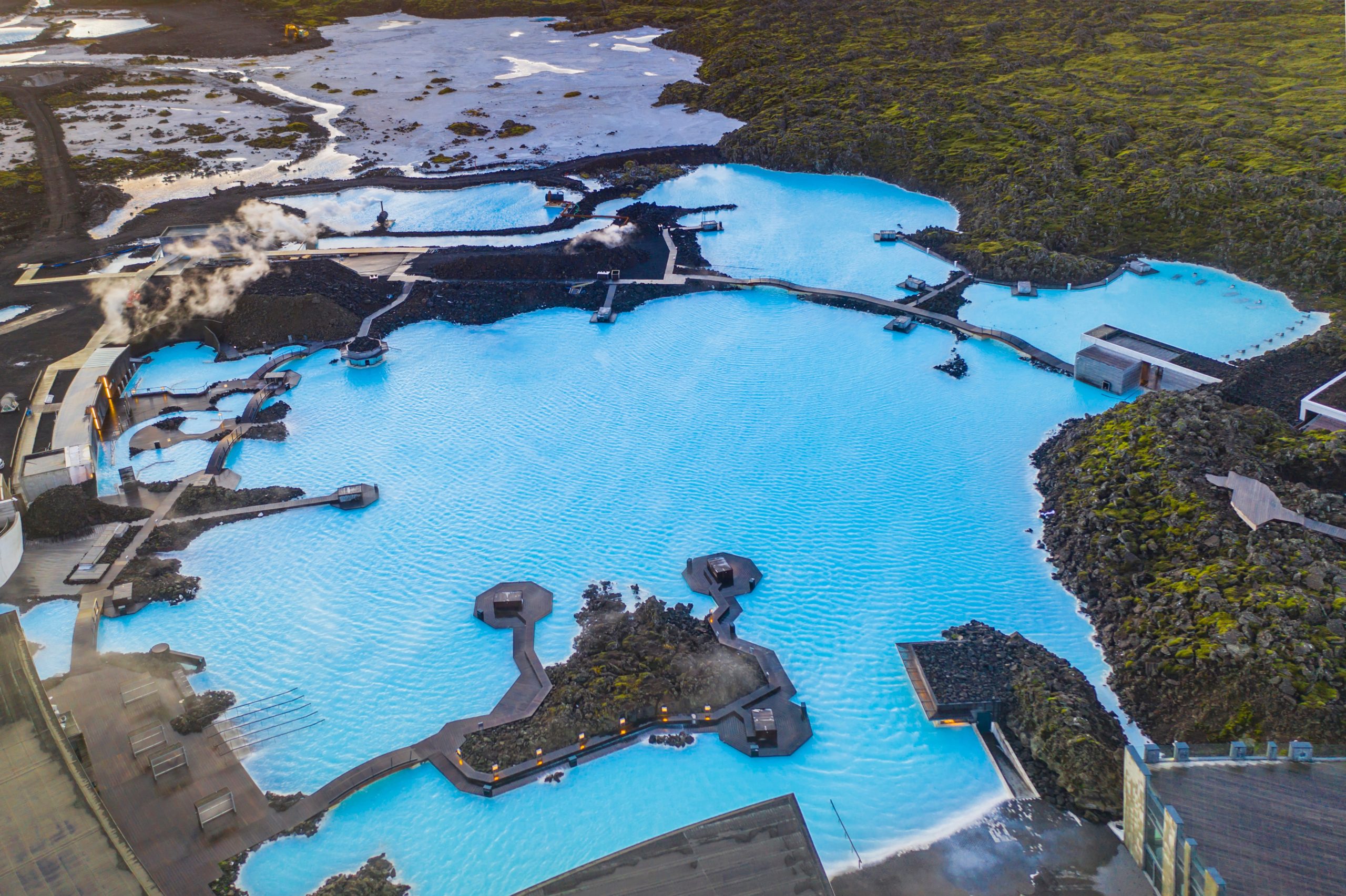
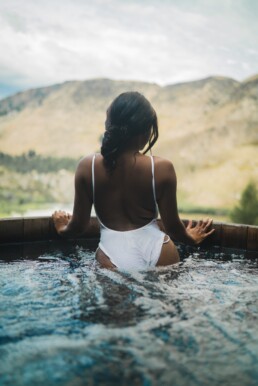
As elegant in its design choices as it is symbiotic with the environment, Laugarvatn Fontana utilises natural geothermal energy to warm its hot tubs and steam rooms. From the very first moment you dip your muscles beneath the mineral-rich water surface, they’ll thank you with waves of tingling pleasure.
Only seconds afterwards, you’ll close your eyes, sink to shoulder-height and release a satisfying, if not slightly embarrassing moan of heat-induced ecstasy. Such is the soothing luxury on offer at Laugarvatn Fontana. Let us read on for more information about this much loved geothermal spa in South Iceland.
When is the best time to visit Laugarvatn Fontana?
Built on the edge of a glittering lake, Laugarvatn Fontana is found almost dead centre of the Golden Circle sightseeing route, which means it’s an easy detour between attractions. The Golden Circle has three major sites that draw visitors to it, namely Thingvellir National Park, the waterfall, Gullfoss, and Geysir geothermal springs.
Alternatively, one could start their day dipping in these soothing pools or instead wait until the evening to enjoy their time there without the pressure of needing to hit the road. In short, the best time to visit Laugarvatn Fontana is whenever it suits your schedule. Whatever the time, the amenities remain as alluring as ever, leaving it open to repeat visits.
Winter and summer both have their benefits regarding a visit. For instance, from May to September, bathers can enjoy extended daylight hours courtesy of the Midnight Sun, plus warmer temperatures when running between pools and the steam rooms. In those magical evening hours, basked in orange twilight, there is no more satisfying a place to be than this hidden gem by the lakeside.
Those stopping by in winter will find their surroundings blanketed in snow, making the hot tubs’ heat that much more appealing. Of course, none of this mentions the ever-present chance of catching the Aurora Borealis dancing overhead, one of Iceland’s biggest draws to overseas visitors.
Those lucky enough to see them off-hand will bear witness to a kaleidoscopic cosmos, a jet-black sky interrupted by ribbons of waving colour. Given Laugarvatn Fontana’s location out in the wilderness, conditions are just right to catch a vivid light display from the pools themselves.
PLAN YOUR JOURNEY
Travelling to Iceland?
Check our overnight tours with a driver guide that includes a one night stay in a bubble.*Starting from ISK 74.900 per person
How to get to Laugarvatn Fontana?
Driving yourself to Laugarvatn Fontana is the safest means of ensuring you won’t miss out on any other attractions that take your eye.
Below, find the time and distance between Laugarvatn Fontana and the essential nearby locations:
Laugarvatn Fontana to Geysir – 23 minutes (29.1 kilometres)
Laugarvatn Fontana to Gullfoss – 32 minutes (38.8 kilometres)
Laugarvatn Fontana to Thingvellir – 29 minutes (31.8 kilometres)
Laugarvatn Fontana to Reykjavik – 1 hour 7 minutes (77.6 kilometres)
If you want to take the luxury and style of your visit to a whole new level, you consider staying overnight in a transparent bubble.
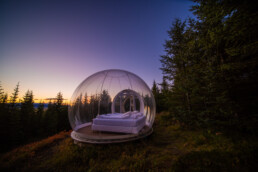
After hours spent enjoying the warm geothermal waters of Laugarvatn Fontana, it can be an unwelcome intrusion having to return to the city’s lights and noise. On the opposite end, our bubbles offer you the chance to continue revelling in the interconnectedness with nature one feels after bathing at a geothermal spa.
Surrounded by trees and plants, you’ll lay back in your comfortable sheets, keeping your eyes peeled on the starlit sky above. Our bubble stays are particularly suited to visitors in the Golden Circle area and even those planning on sightseeing on the South Coast.
What does Laugarvatn Fontana offer?
The outdoor pools boast various depths and temperatures, perfect for those uncomfortable with too much heat. Aside from the glorious South Iceland nature around you, the pool sides are decorated with sculptures by local artist Erla Þórarinsdóttir, whose work focuses on the interplay between water and art.
It is from the hot tub itself, however, that has the best views of the landscape possible, with fantastic panoramas over Lake Laugarvatn and the green, windswept hills that enclose it. Look out for Laugarvatnsfjall mountain, instantly recognisable thanks to its steep, birch-covered slopes.
The sauna is cosy and sophisticated, maintaining a temperature between 40°C to 50°C with high humidity. According to the proprietors, the steam inside boasts minerals found nowhere else, making this an obvious choice for health-conscious visitors. There are three separate sauna rooms from which to choose, leaving enough space so that the experience never feels crowded.
One significant advantage of Laugarvatn Fontana is its position by the lake, allowing guests to leave behind the pools and walk right down to the shoreline. Here they will find hot springs warming the waters around them, opening up bathing opportunities that are more natural than you find at any other spa.
Moving between the pools and lake is excellent for blood flow and circulation, only adding to the litany of reasons to visit this spa.
Watch how rye bread is baked using geothermal energy
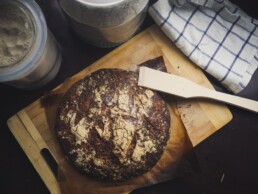
There are other, more delicious reasons to head down to the lake too. The shoreline’s volcanic sands are so warm that Laugarvatn Fontana now runs walking tours to demonstrate how rye bread was historically baked using geothermal energy. First, a hole is dug in the ground, then filled with a pot of dough.
The hole is then covered again and left overnight, only to be dug up the next morning, ready for serving. After seeing the process in action, you are free to sample the bread with a smidgeon of butter and a cut of smoked trout. These lip-smacking bakery tours are available over the weekends but should be pre-booked down to sheer demand.
PLAN YOUR JOURNEY
Travelling to Iceland?
Check our overnight tours with a driver guide that includes a one night stay in a bubble.*Starting from ISK 74.900 per person
Efstidalur Dairy Farm in Iceland: Homemade Ice Cream and other charming treats
Homemade Ice Cream and other treats at the charming Efstidalur Dairy Farm in Iceland
By Taylor van Biljon
Efstidalur is a traditional Icelandic farm every day of the week- except this time, you’re invited!
Homemade Ice Cream and other treats at the charming Efstidalur Dairy Farm in Iceland
By Taylor van Biljon
Efstidalur is a traditional Icelandic farm every day of the week- except this time, you’re invited!
Efstidalur Dairy Farm in Iceland isn’t just known for its homemade Ice Cream. Beautifully located next to waterfalls, rushing streams, stretching plains and geothermal springs, this farm produces its own milk, and wants you to stop by and see how it’s done. But don’t stop with the homemade ice cream- Efstidalur does it all.
What is it?
Efstidalur is a farm, restaurant, accommodation, and horse rental run by a family of four siblings. They grew up on this farm (seven whole generations), and made a careful promise to their grandfather that they would maintain it, thus growing it into the multifaceted treasure that it is today.
PLAN YOUR JOURNEY
Travelling to Iceland?
Check our overnight tours with a driver guide that includes a one night stay in a bubble.*Starting from ISK 74.900 per person
Stay a while and see the farm in action
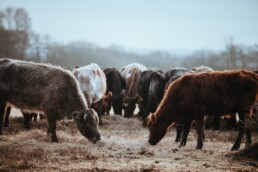
On a Golden Circle drive, you’ll pass by many farms. Iceland’s lush countryside is the home to many such locations, and the fields that pass by your car windows will always be dotted by meandering horses, birdlife, sheep, cattle, and the occasional human creature. In fact, the sheep here outnumber us- and the horses are catching up!
The difference between Efstidalur and these many others, is that at Efstidalur, you’re invited inside. This working family farm means business, and they continue to produce the valuable products they have focused on and perfected for generations back into time. But, they also want you to come see how they do it.
Believing strongly in the quality of their craft and the importance of families connecting with animals and nature, this team leads their business the way they’ve always led their lives. They invite you to come by and see the farmers work, and to find out how you get the milk we so regularly consume. They give you a literal window into their work, barn, and farm kitchen, and encourage you to meet their star players, the cows themselves.
Sharing their processes about how they create new things with the milk gathered here, the transparency of Efstidalur’s work is a rare treat in today’s segmented world.
Get something to eat at Hlöðuloftið and Íshlaðan
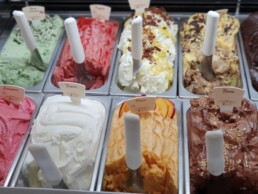
After a full day of sightseeing, hiking, and enjoying nature- one can work up a strong appetite. Fortunately, the folks at Efstidalur in their boundless hospitality have anticipated this, and so they’ve given us the restaurant, Hlöðuloftið.
A farm to table concept restaurant, Hlöðuloftið means “the barn loft”, and the dishes are about as local as they get. Made with dairy and meat from their own farm, they also make weekly rounds to collect local vegetables and produce from the neighboring establishments. The dishes served in Efstidalur’s cozy walk-in restaurant are truly the taste of the Icelandic countryside, and they are made with everyone in mind. Looking for vegan options on your trek? At Efstidalur, it’s covered.
Serving up homemade burgers, steaks, pan-fried fresh trout, hearty soups, and heaping Icelandic vegetables- the restaurant is a great stop all on its own. Familiar with gluten and nut allergies, the team at Hlöðuloftið are no strangers to accommodating different needs, and the dishes that come out of their kitchen are colorful, honest, and fresh.
But as they say on the farm, life is short- so eat dessert first! Known for their homemade ice cream, one cannot visit Efstidalur without making a stop at their “ice cream barn”, Íshlaðan.
This is as fresh as it could possibly get. Continuing the theme of local products- Íshlaðan goes out of their way to source local salts, fruits, and flavors to adorn this most loved treat. And if it wasn’t enough that the ice cream is incredible, they’ve taken it a step further with their incredible ice cream barn dining experience. While you enjoy your fresh ice cream, you can see the cows enjoying their lunch as well.
The core of it all after all this time, the cows stay forefront in all of their ventures; and Efstidalur continues to thrive remembering exactly from where and why it began.
Take a ride with Hestaleiga and meet the locals
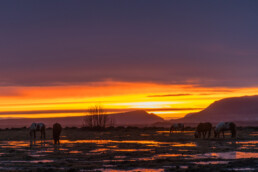
The authentic goodness of growing up amongst nature is clearly an inspiration in the work of Efstidalur. So much so, that they extend that experience to you when you visit. Believing in the magic of growing up with animals, Efstidalur is hopping with friendly farm dogs, sweet baby calves, busy chickens, and of course- the famous Icelandic horse with its extra gait.
Among their many time honored skills, they have bred and reared horses for as long as they can recall. You can meet these special creatures on any visit, but, if you visit in the balmy Icelandic summer, you can ride one as well.
The trails around Efstidalur take you through bright green flowered fields, across the grounds, and next to the gushing glacial blue waters that feed the waterfall Brúarfoss. Their experienced guides are trained to aid riders of all experience levels, and for those who’d rather indulge in some ice cream and sun basking, there’s a great spot to unwind and wait on your riders as they tolt back you.
Running free in the rich fields around the farm, these horses, like many others around here, were born and raised on the farm. With the addition of Hestaleiga, you can get more up close and personal with the creatures of Efstidalur than ever, by joining them on one of these rides.
What better way to get the full farm experience?
Where is it?
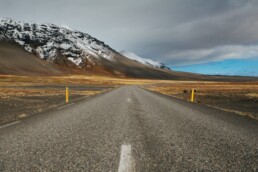
Tucked away on the Golden Circle’s route 37, Efstidalur is right off the main road, and is but a stone’s throw from points of interest like Brúarfoss, Faxi Waterfall, Friðheimar, and even the geysers themselves. It’s a calming spot to have lunch after a hike along the water or a relaxing trip to the luxe Laugarvatn Fontana Spa, just down the road.
Efstidalur’s proximity to these local gems makes it a must-see stop, and of course, who doesn’t need a fresh ice cream after a hike? (In Iceland, there’s always time for an Ísrúntur, or ice cream run- no matter what time of year it is.)
With an activity or a meal for any palate, this stop can please the most adventurous or the most timid among us, so it is a great stop for pleasing a group with varying interests and needs.
In between watching the farmers make traditional skyr, cheese and ice-cream, chatting with the family about their work, and meeting all of the resident creatures- Efstidalur is an experience for any age. Come by and experience the product of three centuries of Icelandic farming. You won’t regret it.
PLAN YOUR JOURNEY
Travelling to Iceland?
Check our overnight tours with a driver guide that includes a one night stay in a bubble.*Starting from ISK 74.900 per person
Friðheimar Tomato Farm | Secrets of the Golden Circle
Friðheimar Tomato Farm
Dine inside a greenhouse restaurant and meet Icelandic horses
By Michael Chapman
Friðheimar Tomato Farm
By Michael Chapman
Dine inside a greenhouse restaurant and meet Icelandic horses
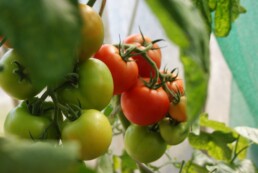
Tomatoes are the name of the game at Friðheimar, an organic farm, horse ranch and restaurant located by the Golden Circle sightseeing route in South Iceland.
While Iceland might be most famous for its raw and ethereal nature, its cultural hubs—be they orientated towards art, history or food—have come on leaps and bounds over the last ten or so years.
Friðheimar tomato farm is one example of a family-run business that continues moving from strength to strength, cementing it as a firm favourite among the many thousands of visitors who arrive in Iceland each year. Let us look further at what makes this fascinating stop so worthy of your time.
History of Friðheimar
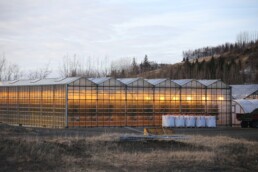
Geothermal energy was first used at Friðheimar as early as 1946, but it was not until a local couple, Knútur and Helena, purchased the property in 1995 that things started to heat up. After finishing construction on new greenhouses, a souvenir’s emporium and an equestrian centre (complete with an outdoor arena and 20-horse stable,) Friðheimar was finally able to declare itself a mainstay of the area; no less, a thoroughbred Icelandic institution.
Today, Friðheimar grows four different strains of tomato. This productivity is despite the long and hard winters in Iceland and is mostly down to climate control computers and how their artificial lighting simulates daytime. These methods were inspired by Knútur and Helena’s frequent trips to Finland, where the local people are highly experienced in growing produce in less-than-optimum conditions.
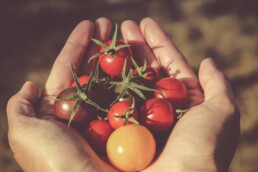
Combining their shared passions for horticulture and horses, Friðheimar was envisioned to be an ambitious, environmentally-conscious operation. In this bright and secluded oasis, guests discover fresh ingredients, chow down on delicious meals and appreciate both the wildlife and serene loveliness of their surroundings. Greenhouse tours provide insight into how the farm is run and provides a deeper understanding of the unique challenges of growing tomatoes and other produce in Iceland.
It is not only horses and tomatoes on which Friðheimar focuses their many talents. Cucumbers have also become something of a speciality, served both in-house and prepared and pickled as souvenirs for customers. Make sure to pick up yourself some jarred treats at the small yet delightful ‘Little Tomato Shop’ the next time you swing by.
Friðheimar makes a fantastic lunch stop while exploring the Golden Circle route and is best visited after a morning spent at Þingvellir National Park.
PLAN YOUR JOURNEY
Travelling to Iceland?
Check our overnight tours with a driver guide that includes a one night stay in a bubble.*Starting from ISK 74.900 per person
Friðheimar Restaurant

When it’s time to eat, guests are served their food amid the growing plants, making for what feels like a fresh and authentic dining experience. Whilst primarily tomato-based, the menu is as eclectic as it is alluring, with a range of courses to suit even the pickiest eaters in the family.
Famished travellers will find themselves spoilt for choice. Surrounded by lush green vines, ripe with produce, a decision will have to eventually be made between the freshly cooked mussels in tomato sauce or the stone-baked tortilla with basil and mozzarella filling. Then again, traditional tomato soups and home-baked ravioli sound equally tempting.
After your meal, when your belt threatens to buckle, you’ll be offered irresistible desserts like tomato and apple pie, cinnamon cheesecake or even tomato ice cream! If you have the room for it, such sweet treats prove to be the perfect fuel for an afternoon spent sightseeing.
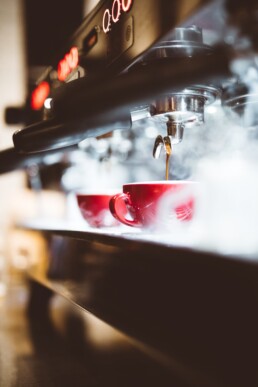
There is also a healthy selection of tomato-based drinks on offer, ranging from three-types of Bloody Mary, tomato schnapps and even tomato beer! If none of these tantalise your pallet, there are regular coffees and teas available too. It would be remiss of us not to recommend you sample the tomato-espresso, however. Where else will you have the opportunity?
Everything that leaves the kitchen is personally overseen by master chef, K.B. Sigfússon, who has experience serving heads of state around the world despite being local to the area. Before tucking in, proud foodies will no doubt revel in the exquisite presentation of every dish served and will rest easy knowing a real culinary expert prepared it.
Friðheimar Restaurant is open throughout the year from noon until 4 PM. Thanks to its popularity among locals and visitors alike, it is always advised to book a table before your arrival.
Friðheimar Horse Show
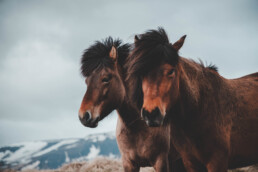
When summer rolls around, Friðheimar puts on its very own horse show, which takes place in their impressive 120-seat outdoor arena. Here, riders display their skill on the saddle while simultaneously showcasing the many merits of Iceland’s unique horse breed.
Known for their intelligence and personable nature, as well as pony-like size and five gaits (or trotting styles if you’d rather), it is impossible not to fall in love with these creatures. Soon enough, you’ll share that same passion for equestrianism that bore Friðheimar into existence in the first place.
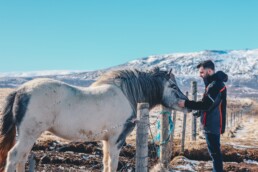
As the show is known, a Meeting with the Icelandic Horse is available in 14 languages. It comes complete with music, hot drinks, and plenty of opportunities to take photos and greet the horses themselves. Travelling groups will be able to watch this delightful event between May and September each year.
Horse breeding is also big business at Friðheimar, with over forty horses now under their ownership. The farm regularly does well at breeding evaluations, with three of their stallions having won first prize at competitions over previous years. Friðheimar breeders hope to draw out the best traits in their horses, namely animals with a good disposition, attractive appearance and ability to trot in five ways.
How to get to Friðheimar
Friðheimar is officially a part of Reykholt village in the Bláskógabyggð municipality of South Iceland. As we mentioned above, this puts it within easy reach of anyone driving between the three sites that have made the Golden Circle so famous: Þingvellir National Park, Geysir geothermal valley and Gullfoss waterfall. You can find the exact distances below:
Friðheimar to Þingvellir – 50 minutes (59.1 kilometres)
Friðheimar to Geysir – 16 minutes (19.1 kilometres)
Friðheimar to Gullfoss – 25 minutes (28.7 kilometres)
Friðheimar to Reykjavik – 1 hour 18 minutes (96.6 kilometres)

Because of these distances, we advise you to visit Thingvellir in the morning and then take your lunch break at Fridheimar before venturing on towards Geysir and Gullfoss. Doing so is, without doubt, the best way to maximise your time.
Of course, this schedule only applies to guests driving themselves around the Golden Circle. Others would much rather leave the driving to somebody else, relaxing by the passenger window as their tour guide tells stories and facts about the local area. There is no better option for exactly such people than to book one of our fabulous Golden Circle bubble tours.
PLAN YOUR JOURNEY
Travelling to Iceland?
Check our overnight tours with a driver guide that includes a one night stay in a bubble.*Starting from ISK 74.900 per person
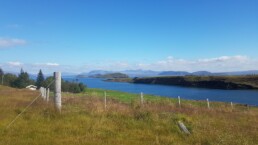
Serene Lake Thingvallavatn of Iceland
Serene Lake Thingvallavatn of Iceland
By Taylor van Biljon
Poised at the very center of Icelandic history, the crystalline waters of Thingvallavatn continue to draw visitors to its pristine shore.
Serene Lake Thingvallavatn of Iceland
Poised at the very center of Icelandic history, the crystalline waters of Thingvallavatn continue to draw visitors to its pristine shore.
The shores of Lake Thingvallavatn (Þingvallavatn) have been a gathering place for the people of Iceland for many generations.
One of the largest naturally occurring bodies of water on the island, it was already an important landmark for settlers in 930 AD; and it continues to draw us today to its quiet, glistening shores.
Where is Thingvallavatn?
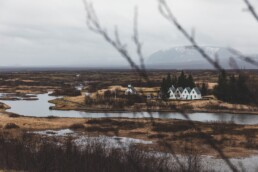
The sprawling waters of Iceland’s beautiful Thingvallavatn lie at the southern edge of first national park Thingvellir (Þingvellir). Located in the Mid Atlantic Ridge rift valley, Thingvallavatn is a popular first stop on a Golden Circle journey. This really is an amazing place for many reasons, however geologically, it is among the only areas on Earth where you can see the Eurasian and North American plate rift above the water. Because of this relationship between the plates, Thingvellir and Iceland are growing inch by inch over time as they pull apart.
PLAN YOUR JOURNEY
Travelling to Iceland?
Check our overnight tours with a driver guide that includes a one night stay in a bubble.*Starting from ISK 74.900 per person
History and Heritage
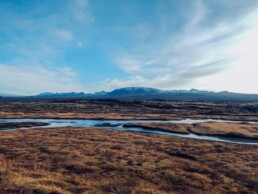
Thingvallavatn is partially located in Iceland’s only UNESCO World Heritage Cultural site, Thingvellir. Named for the gathering of people in the field north of the lake, (literally assembly/parliament field), the park and the water itself serve as a reminder of Iceland’s early quests for independence.
Thingvellir hosted Iceland’s recurring sessions of old parliament governance until 1798, when this same evolved parliament, or Alþiing, was eventually moved to Reykjavik. One of the oldest still functioning parliaments in the world, Thingvallavatn has stood witness to the unfolding of history here for over a thousand years.
Due to the slow separation of the tectonic plates, the land has grown a bit since the founding of the Alþiing; but it is not far removed from its original state. You can still visit the very same sites of social importance, like the Lögberg (Law Rock) where the justice of the day was meted out, or the nearby Drekkingarhylur (Drowning cove) and Brennugjá, (Burning gorge), places that served as public execution spots in the Middle Ages. Society has grown a great deal since those days, but the long process of much of it took place on the very shores of Thingvallavatn.
Fishing
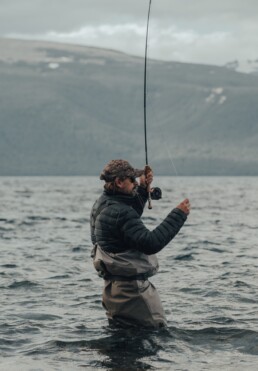
History, culture, nature and story are great reasons on their own to visit Lake Thingvallavatn- but for those that fish, this is truly a destination. Lake Thingvallavatn reaches a depth of 114m (374ft), and is one of the largest bodies of water in Iceland at a surface area of 84km2. In order to enter the lake, water must journey through vast porous lava fields on the way. Melt water from the glacier Langjökull travels for 20-30 years before it meets the shores of Thingvallavatn, and rain in the catchment area is said to take a comparatively short 2-4 months.
This process gives us the crystal clear and colorful waters of Thingvallavatn, which despite its cold temperature, houses some of the biggest and most varied Arctic Char and Brown Trout in the area. Due to their unique isolation, this is in fact one of the only places in the world that one can fish from not just one, but four varieties of Arctic Char.
Known far and wide for high quality wild fishing due to strict environmental protection, wading into the clear waters of Thingvallavatn like the settlers of old is an experience for the ages. Fishing in Iceland is a popular pastime, so purchasing a fishing card for this activity is a fairly streamlined and simple process, and it can grant access to 34 lakes across the country.
Diving and Snorkeling
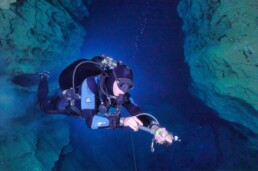
The clean, cool waters of Thingvallavatn aren’t just for the fish! Thingvallavatn is home to some of the best diving and snorkeling in the world, including the Silfra and Davíðsgjá fissures in between the tectonic plates. A gentle current keeps the filtered glacial waters of the lake from freezing over, so taking a guided dip is frequently possible here.
Visibility is truly unparalleled, and the colors below are strong neon tints of green “troll hair” algae, warm iron-rich basalt rock, and the otherworldly sapphire of the water. In photographs of the activity, there is hardly any visible trace of sediment- only the signature cerulean glow of the ancient water.
Popular for diving enthusiasts and students of all levels of experience, it is possible to both learn and practice in the waters of the lake, with a certified guide. In 2010, an open water “Midnight Swim” event even took place in the lake, and swimmers from all over the world came to join the open 5k. The water in Thingvallavatn comes close to 11°C (51.8°), so this kind of swimming is best left to experienced experts. (You can catch us on the other hand, wearing dry suits and staying warm, or watching for giant trout from the bridge!)
PLAN YOUR JOURNEY
Travelling to Iceland?
Check our overnight tours with a driver guide that includes a one night stay in a bubble.*Starting from ISK 74.900 per person
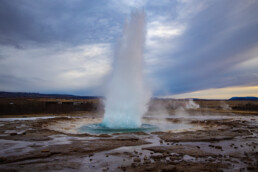
Geysir: An Icelandic Treasure
Geysir: An Icelandic Treasure
By Taylor van Biljon
Experience one of the most explosive sights that Iceland has to offer
Geysir: An Icelandic Treasure
By Taylor van Biljon
Experience one of the most explosive sights that Iceland has to offer
Iceland’s Great Geysir cannot be missed, especially on a Golden Circle visit. Home to nearly thirty reported geysers, Iceland’s historical record has mentioned the presence of these explosive phenomena as early as 1294 in the saga Oddaverja annáll. Some of these have since slipped into dormancy, while new openings in the ever-active surface of the island continue to form.
What are geysers?
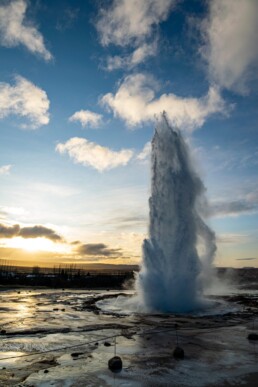
A geyser, much like the Northern Lights, is a natural phenomenon that can only happen upon the serendipity of multiple factors occurring at once. For geysers, these factors are the presence of hot rocks underground, a bountiful groundwater source collecting in an underground cavity, and of course, an opening where this superheated water can escape to the surface.
Geysers erupt because the boiling hot water expands after being confined- creating a steam explosion. Due to regular geologic activity in Iceland, it is not uncommon for geysers to be changed, or newly formed. Things like seismic activity, weather, or even the build up of minerals in the water can “clog up the pipes”, so to speak, and change the frequency or the way in which the geyser can erupt.
As windows into the Earth, geyser activity can also warn us of underground changes. Studying these changes is one of the ways in which scientists learn about volcanic eruptions, and how to better predict them. Geysers are a rare look into the inner workings of our living planet, and are a rare treat in a world where the movements of nature are often imperceptible, or too small to often see.
The study of geysers is even informing our study of space and our evolving understanding of the surfaces of other planets. Though some of these great steam giants are many generations old- like many things in Iceland, they are contrasted by the very new. There are a few geysers still that are unnamed, and it is conceivable to expect that more may be born or lost in the future.
PLAN YOUR JOURNEY
Travelling to Iceland?
Check our overnight tours with a driver guide that includes a one night stay in a bubble.*Starting from ISK 74.900 per person
Geysir vs. geyser
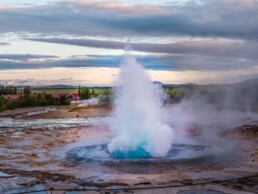
Did you know that the English term “geyser” comes from the Icelandic word geysir ([ˈceiːsɪr̥])? This word comes from the verb geysa, which means “to gush”. One of the rarest natural occurrences in the world- geysers only occur in five countries.
While the word “geyser” is used to describe the actual object, in Iceland, Geysir is a name for a specific geyser in the Golden Circle. Also known as “The Great Geysir”, it is one of the most famous, despite not being a very common eruptor. The last known eruption of this centuries old geyser was recorded in 2016. Before that, we hadn’t seen an explosion since 2000! Typically, geysers erupt randomly and at irregular intervals, though there are some that do keep a fairly tight schedule. One of these is the nearby neighbor of Geysir, Strokkur.
Where are Geysir and Strokkur?
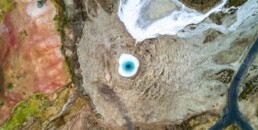
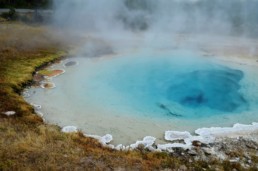
Nested in the Haukadalur Valley of the Golden Circle, Strokkur is surrounded by active earth. This area boasts otherworldly colors, roiling fumaroles, bubbling geothermal mud pits, and hot springs straight from the magma-hot depths of the island. And though Geysir mostly slumbers these days, Strokkur is not alone! Accompanied by multiple smaller geysers and electric blue pools of heated water, Strokkur is currently the biggest performer in the area, reaching nearly 30-40m. (100-131ft.) into the air!
How long should you spend there?
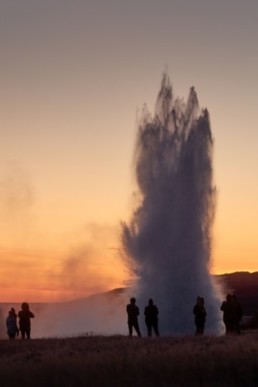
Eruption intervals for Strokkur vary from 5-10 minutes, but at this time it is certainly possible to catch an eruption if you have about fifteen minutes to spare with this powerful giant.
If you’re taking a more leisurely approach to the Golden Circle, we highly recommend grabbing a coffee at the nearby cafe, and cozying up on one of the benches for a front seat! Taking in a few episodes of Strokkur’s dramatic effluence is both a historic and natural wonder to behold.
Take care to stay on the paths during your visit, as much of the tempting water can reach around 80-100°C (176-212°F) on the surface- and is even hotter underground!
How to get to Geysir and Strokkur
Nearly 100km from Reykjavik, Geysir and Strokkur are easy to visit. Accessible from Reykjavik via routes 37 and 35, the geysers are one of the many jewels of the Golden Circle area.This area is wheelchair accessible and outfitted with a car park, walking paths, and intermittent bench seating throughout the zone. There is a restaurant and facilities nearby in the Geysir Visitor’s Center. There is no entry fee to this natural area, and you can even leave the driving to us, on our Golden Circle tour.
Fun geyser fact!
Have you ever used a Bunsen burner? When you watch the geysers- know that you’re standing in nearly the same spot as German scientist Robert Bunsen, who came to witness the spectacle of Iceland’s steam giants in 1846. His descriptions, data, and experimental insertion of a thermometer into the geyser itself formed the foundation for some of our earliest explanations for how geysers work.
When he visited, he was actually watching the eruptions of the geyser we now call “Litli Geysir”, as that was the active system at the time. Over time Litli Geysir became dormant, and is no longer creating the same kind of massive spouting as its now regular sibling Strokkur.
It is not known exactly when this change occurred, but Icelandic physicist Þorkell Þorkelsson noted that Litli Geysir was only just bubbling by 1896, as it continues to do so today. These changes are not infrequent or irreversible, and perhaps in the future- even Strokkur will lay down the mantle in favor of a young upstart as well.
Like many things in Iceland- the geysers tell a long and winding story of an evolving Earth, and their ephemeral gift is a chapter of time that belongs only to the generations that lived among them. Don’t miss this sight! As Þorkelsson could have told you- you never know when it will be reduced to bubbles.
PLAN YOUR JOURNEY
Travelling to Iceland?
Check our overnight tours with a driver guide that includes a one night stay in a bubble.*Starting from ISK 74.900 per person
Hvítá River | Secrets of the Golden Circle
The Hvítá River
By Michael Chapman
Salmon Fishing, White-Water Rafting and Waterfalls await!
The Hvítá River
By Michael Chapman
Salmon Fishing, White-Water Rafting and Waterfalls await!
The Hvítá river in South Iceland is a force of nature parallel to none. Read on to learn more about this stunning natural waterway.
Water is an omnipresent force in Iceland, revealing itself in its wind-battered shorelines, snaking rivers and glaciers, and its tendency to douse unwary citizens with rain and snow. To put it another way, if Iceland were an amusement ride, then it would almost certainly be one with a sign out-front stating ‘Be warned—you will get wet.’
Even summer visitors cannot avoid a sound drenching from time to time; Iceland’s weather is temperamental, akin to a teenager’s moods, and is more than capable of switching at a moment’s notice. Guests in the winter might be better prepared, sound in the knowledge that soaked clothing and frozen drops around the mouth are all part of an authentic Iceland experience.
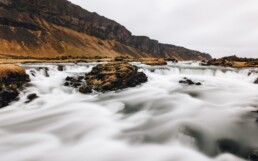
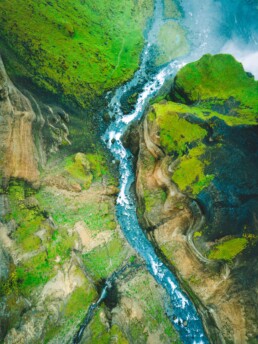
One of the best ways of celebrating Iceland’s water-cycle is by appreciating its glacial rivers, of which there is already a well-established favourite here. Trailing worm-like from the mighty Langjökull glacier, the Hvítá river has long been held in high esteem by local Icelanders for its beauty, purity and crucial role in irrigating the land.
At the same time, the river is feared on account that it floods during heavy rainfall. The main reason for this is the Hvítá river often swallows smaller rivers in the region; thus changes to its flow have a more significant influence over the farmlands and villages of South Iceland. In some particularly bad years, a few settlements have been cut off from major transit routes due to excessive water.
Useful Information about the Hvítá river
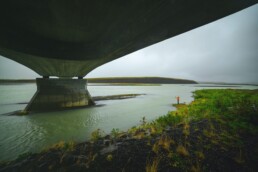
The Hvítá river can trace its origins to Lake Hvítárvatn, roughly 45 kilometres north of the waterfall, Gullfoss. Both the lake and river share the common ‘Hvít’ (White) as part of their name due to their water colour, which in some light, appears close to snow-white. Hvítárvatn covers a total area of 30 km² and boasts a maximum depth of 84 metres.
From the lake, the river travels 40 kilometres (25 miles) south, finally arriving at Gullfoss waterfall, after which it joins with other smaller rivers including the Tungufljót and the Brúará. Now doubled in volume and power, maps show how the Hvítá joins the Sogið river, soon transforming into the Ölfusá river not far from the small town of Skalholt. If added to the Ölfusá’s full-run, then the Hvítá is considered part of the third-longest river in the country.
There are several small, picturesque villages on the Hvítá river besides Skaholt. Guests could stop by Flúðir, famed for its columns of floating steam and the Secret Lagoon spa, or Sólheimar Ecovillage, where just over 100 residents live in perfect symbiosis with nature.
PLAN YOUR JOURNEY
Travelling to Iceland?
Check our overnight tours with a driver guide that includes a one night stay in a bubble.*Starting from ISK 74.900 per person
Salmon Fishing on the Hvítá river
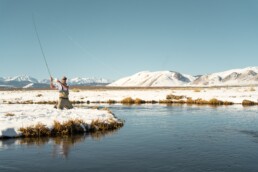
Fishing is a brilliant way to connect with Iceland’s natural environment, providing all those who cast the line with a sense of tranquillity and focus. Thankfully, the Hvítá river is known for being one of the best salmon fishing rivers in the country, offering large stock for anglers and fishermen looking for that prize catch.
Salmon are not found throughout the river but tend to congregate at certain spots, namely where other rivers and tributaries join the greater body of Hvítá. Brown Trout and Arctic Char are also known to frequent the river, providing some diversity to your encounters.
Please be aware that fishing in Iceland without the landowner’s permission is strictly prohibited, and fines await anyone who might attempt to break the rules. Even the landowners themselves are subject to legislation that is far too tedious to go into here. For this reason, we advise taking a fishing trip with a professional tour operator as not only will they know the best spots, but will already have dealt with the legal aspects of the experience.
White Water Rafting on the Hvítá river
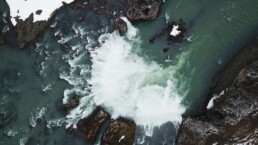
White water rafting is, without question, one of the most thrilling activities that guests can participate in on the Hvítá river. Don’t worry if you’ve never tried your hand at such a thing before; rafting guides in Iceland are experienced, knowledgeable, safety-conscious and, above all, well practised in introducing beginners to the ways of the river.
As you navigate your way through the thrashing waters, you will pass through sites of epic beauty, including the towering walls of Brúarhlöð Canyon. At this site, in particular, it is impossible not to gain some understanding of just how powerful, how influential, the Hvítá has been sculpting the landscape throughout the centuries.
If white-water rafting isn’t your bag, there are other options suited to the solo adventurer. Taking a kayak or a canoe is the best means of setting yourself a fun personal challenge on the Hvita, bypassing the cooperation and numbers necessary for a white-water rafting tour. Just make sure to follow your guide’s instructions throughout, and don’t tackle any rapids that you don’t feel comfortable with.
Gullfoss waterfall
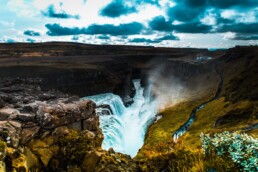
Without argument, Gullfoss waterfall is the river’s most popular addition, drawing crowds in their thousands every year. From two viewpoints, visitors can watch as frothing white water topples a total of 32 metres over two cragged ‘steps’. Such is the Gullfoss’s power that a constant plume of mist is present over the site, and can often be seen en route before the waterfall itself.
Of course, Gullfoss is one of the three main attractions that make up the famous Golden Circle sightseeing route in South Iceland, the other two being Þingvellir National Park and Geysir geothermal springs.
Available to visit in both the summer and winter, we recommend you book our esteemed Golden Circle bubble tour. Aside from having us lead you around the area’s most prestigious sites, you will spend the night looking out for the Northern Lights from your very own transparent bubble accommodation.
What other rivers are in Iceland?
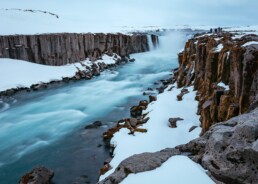
Rivers are plentiful in Iceland, with all the island’s glaciers spouting numerous tributaries from which its water escapes to the Atlantic. While overseas guests might more often visit the Hvítá if only for its proximity to Reykjavik, there are countless other glacial veins that stretch out over this delicate landscape.
Jökulsá á Fjöllum (‘The Glacial Mountain River’) originates from the great glacier Vatnajokull, and is best known for the enormous drop that interrupts its passage; Dettifoss. Often cited as having the most powerful flow rate of any waterfall in Europe, Dettifoss is a dramatic and awe-inspiring powerhouse surrounded by swathes of alien-grey rock formations.
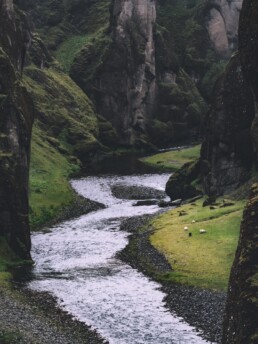
Another important river is the 155 kilometre-long Kúðafljót, which creates staggering colour contrasts as it rushes across the black sand desert of Solheimasandur. To the northwest, the river Blanda travels from Hofsjökull glacier to Húnaflói bay, making picturesque scenery for anyone stopping by the small village of Blönduós.
Other rivers that guests can discover around Iceland include the Fnjóská (‘The River of Dry Wood’), the Jökulsá á Dal (‘Glacial River of the Vale’) and the Skjálfandafljót (‘The River of Tremble’), to name just a handful. If you wish to learn more about Iceland’s rivers, take a glance at the government’s National Parks and Other Protected Areas page.
Make sure to keep an eye on the passing scenery as you travel from region to region; you never know what you’ll discover around the next bend of the river.
PLAN YOUR JOURNEY
Travelling to Iceland?
Check our overnight tours with a driver guide that includes a one night stay in a bubble.*Starting from ISK 74.900 per person
Kerid Volcanic Crater Lake | Secrets of the Golden Circle
Kerið Volcanic Crater Lake
By Michael Chapman
Discover this geological gem on the Golden Circle route.
Kerið Volcanic Crater Lake
By Michael Chapman
Discover this geological gem on the Golden Circle route.
Kerid volcanic crater lake lies in Iceland’s Western Volcanic Zone, specifically in a pretty and geologically active part of the country known as Grimsnes. In English, the site is often referred to as Kerith or Kerid.
Kerid has long been a favourite spot among visitors travelling the Golden Circle sightseeing route. Drawing the eye with its vibrant colour and almost perfect form, Kerid has better maintained its shape throughout the years than many other volcanic craters found throughout the area.
Is visiting Kerid volcanic crater worth it?
Classified as a side-attraction off the Golden Circle’s three major sites—Þingvellir national park, Geysir springs and Gullfoss waterfall—Kerid crater is more than worth visiting in its own right. This splendid site offers guests a raw insight into natural history while immersed in the majesty of the South Iceland countryside.
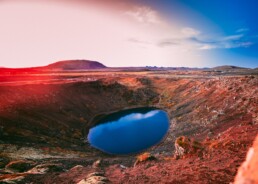
Visitors follow a narrow walkway that circumvents the crater, providing brilliant views over the feature as a whole. From this vantage, one can readily appreciate the caldera’s scarlet slopes; loose shag disturbed sporadically by creeping trails of green vegetation, as well as the glittering azure pool that sits at the basin.
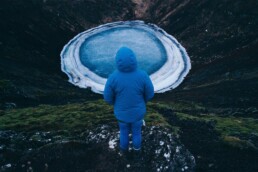
One thing that quickly draws attention upon arrival is the size of the caldera itself. The crater is 55 metres (180 ft) at its deepest point, with a total width of 170 metres (560 ft) on one side and 270 metres (890 ft) on the other.
Guests tend to spend 30 minutes to an hour walking around the crater lip, taking photographs and ogling the surrounding landscape.
Unsurprisingly, Kerid’s beauty has seeped into Icelandic popular culture as the subject of countless artworks and local projects. Previous years have also seen musicians perform at the crater whilst floating atop its lake. The most famous example showcased the Icelandic icon, Björk, who sang there in 1987 as spectators watched on from above.
Kerid volcanic crater’s allure is just as great for scientists and historians studying Iceland’s geological heritage, as well as any visitor hoping to experience this subarctic island’s most unique treasures.
PLAN YOUR JOURNEY
Travelling to Iceland?
Check our overnight tours with a driver guide that includes a one night stay in a bubble.*Starting from ISK 74.900 per person
How did Kerid volcanic crater form?
Scientists believe Kerid volcanic crater to be around 6,500 years old, considerably younger than most craters of its kind found in Iceland. Its vibrant red slopes are a clear sign of this geological youth, as the iron deposits found in the rock have not yet turned black.
Though the events that led to Kerid volcanic crater’s formation happened many thousands of years before the first settlers first arrived, logical guesses can still be made about its history.
Given its shape and clean diameter, it is widely accepted that the crater was formerly, at one point or another, a cone-shaped volcano that collapsed after depleting its magma reserve.
How deep is Kerid volcanic crater?

While the water at Kerid volcanic crater might appear like a vast and infinite mirror, the pool is relatively shallow, no more than 7-14 metres at any given time.
Interestingly enough, the lake is not caused by rainfall but levels out at what’s known as the water table, or the zone of saturation. The zone of saturation describes a depth in the ground where rocks are wet-through with water. At Kerid volcanic crater, it is the upper-layer of this zone that guests can see. With that said, how high the water is at any given time can depend on the weather.
Practical information about visiting Kerid volcanic crater
Driving the Golden Circle sightseeing route in Iceland is about the most fun and exciting trip an independent traveller can take. With time to breathe between stops and privacy in the vehicle, self-drivers have the great benefit of being responsible for setting their own pace, allowing for the sculpting of a more personal vacation experience.
Below, you can read the time and distance it will take to drive between Kerid, the capital city and the major attractions on the Golden Circle route:
Kerið to Reykjavik 56 min (68.8 km)
Kerið to Geysir 36 min (46.4 km)
Kerið to Gullfoss 46 min (56.0 km)
Kerið to Þingvellir 38 min (43.2 km)
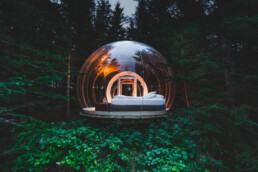
If you are looking to book a guided Golden Circle tour with a professional agency, make sure to double-check before departure that Kerið crater is a scheduled stop. As stated, the crater is not considered among the three top attractions, so will not be prioritised during the experience.
Guided tours come with many benefits: a personable and informative guide, hidden secrets, interesting tidbits and, importantly, leaving the driving to someone else.
If you are interested in experiencing the Golden Circle, plus other secret delights en route, be sure to check out our Golden Circle Bubble tour.
Not only will you and your partner embark on the sightseeing adventure of a lifetime, but we will also provide you with a transparent bubble in which to spend overnight and look out for the Northern Lights.
Visitors should note that there is a parking fee of 400 ISK on-site. While this is unusual and somewhat unwelcome considering most natural attractions are free to visit in Iceland, the money you spend will help the landowners make sure Kerid volcanic crater is looked after for many years to come.
Are there other volcanic craters in Iceland?
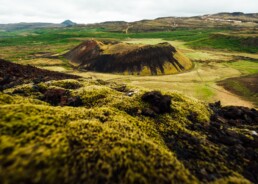
Seyðishólar and Kerhóll are volcanic crater clusters also found in the Grímsnes area. Both are between 5,000 – 6,000 years old, roughly the same age as the Grímsnes lava fields surrounding them, and are the tallest craters in the area. It is fantastic fun to hike up these colourful calderas on clear days, taking in the incredible views around you.
Another popular crater is Saxhóll, located on the western tip of the Snaefellsnes Peninsula. Sitting at the base of the domineering stratovolcano, Snæfellsjökull, Saxhóll comes complete with an award-winning spiral staircase that leads guests to the crater’s highest point. From up here, you’ll have staggering views over the peninsula, which is nicknamed ‘Iceland in Miniature’ thanks to the wealth and diversity of its attractions.

Those looking for more dramatic, more remote craters, then Askja in the Icelandic Highlands is for you. At the bottom of this crater is an aquamarine pool known as Viti; reminiscent of Kerid, but far more extensive in scope.
Alternatively, Eldfell crater in the Westman islands makes for a fascinating and thrilling discovery, especially when you consider the violent eruptions that took place there as late as 1973.
There are, of course, many more lava fields, craters, geothermal beds and volcanoes to be found across Iceland—too many to mention here, by some stretch.
But, if you are interested in learning more about the epic sightseeing opportunities available to you, we recommend our Secrets of the Golden Circle articles, including Faxi and Bruarfoss waterfalls.
PLAN YOUR JOURNEY
Travelling to Iceland?
Check our overnight tours with a driver guide that includes a one night stay in a bubble.*Starting from ISK 74.900 per person